

Why Customers Demand Shorter Contracts in the AI Era

Key Takeaways
- Sub-1-year contracts rose from 4% to 13% (2023-2026) as AI innovation outpaces traditional long-term commitments.
- Three-year contracts declined from 28% to 23% between 2023 and 2026, reflecting growing buyer demand for flexibility.
- Sales cycles shortened by six weeks as customers prioritize rapid adaptation to evolving AI solutions.
- Consumption-based pricing reduces financial risk by aligning costs with variable usage in unpredictable markets.
- Modern buyers reject rigid terms, favoring short-term agreements to avoid lock-in amid AI tool obsolescence within 18 months.
- Shorter contracts impact revenue growth and retention metrics as businesses adapt to dynamic customer preferences.
- Employee tool choice drives contract flexibility, with companies avoiding long-term commitments due to frequent solution shifts.
Why Shorter Contracts Matter
Why shorter contracts matter in the AI era stems from a fundamental shift in how customers and vendors approach software. Traditional long-term commitments, once a cornerstone of SaaS, now clash with the unpredictable pace of AI innovation. As mentioned in the Customer Expectations in the AI Era section, modern buyers prioritize flexibility and transparency, driving this shift toward shorter agreements..
What Drives the Demand for Shorter Contracts?
Customers are no longer hesitant-they’re calculating. In a market where AI tools evolve rapidly, a 12-month contract feels like a gamble. For example, a company adopting an AI solution today might find it obsolete in 18 months due to newer, cheaper, or more capable alternatives. Data from the ICONIQ 2026 survey reveals a structural shift: sub-1-year contracts grew from 4% to 13% of new deals between 2023 and 2026, while three-year deals dropped from 28% to 23%. Sales cycles also shortened by six weeks during the same period, proving buyers prioritize flexibility over lock-in.
This trend isn’t limited to AI. Across B2B software, customers are rejecting rigid terms that force them into inefficient or outdated tools. As Chris Degnan, former CRO of Snowflake, explains, “Employees want choice in tools, but companies won’t sign long-term contracts in a world where the best solution changes every few months.” Building on concepts from the The Impact of Shorter Contracts on Business section, this dynamic directly affects revenue growth and customer retention metrics..
How Do Shorter Contracts Reduce Risk?
The rise of consumption-based pricing-usage-based, hybrid, or outcome-driven models-fuels this shift. Traditional annual contracts clash with variable costs that finance teams can’t predict. For instance, 48% of companies now use hybrid pricing models, and pure usage-based models are growing. A customer paying for AI compute hours or API calls monthly avoids the risk of overpaying for unused capacity or underestimating demand.
Shorter contracts also align with AI’s inherent uncertainty. Early-stage AI tools often improve rapidly, but their performance might fluctuate. A startup testing an AI assistant for customer support can’t afford to lock in a 36-month contract if the tool underperforms. Shorter terms let them pivot quickly without penalty. As mentioned in the Best Practices for Implementing Shorter Contracts section, balancing flexibility with risk management is critical for sustaining long-term vendor relationships..
Real-World Impact: Case Study Insights
A compelling example comes from Modular, a company that shifted from rigid GPU contracts to a flexible Compute Exchange model. Their old approach involved multi-year agreements with cloud providers, which caused delays, hidden costs, and inflexibility. By adopting shorter, usage-based contracts, Modular reduced GPU procurement cycles from months to one week while cutting infrastructure costs. This mirrors the broader trend: shorter contracts enable teams to scale dynamically, avoid hardware obsolescence, and respond to shifting priorities.
This flexibility is a lifeline for small businesses and startups. Unlike enterprise customers with dedicated legal teams, smaller organizations often lack the resources to renegotiate long-term deals. Shorter contracts lower administrative burdens, reduce financial risk, and allow them to experiment with AI tools without fear of being stuck with a poor fit. Building on insights from the The Role of Technology in Shorter Contract Management section, AI-powered tools now automate many of these administrative tasks, further reducing friction..
What Challenges Do Shorter Contracts Solve?
-
Reduced Churn Risk. Customers are 30% less likely to churn when contracts align with their evolving needs. A 2026 SaaStr analysis found that companies with sub-12-month terms saw 111% ARR growth, compared to 78% for those with multi-year contracts. Shorter terms act as a “renewal test,” forcing vendors to prove ongoing value.
-
Simplified Administrative Work. Long-term contracts require legal reviews, renewal reminders, and compliance tracking. Shorter agreements streamline these processes, saving teams 20–30 hours annually in contract management. As mentioned in the Overcoming Challenges in Shorter Contract Implementation section, automating these workflows is essential for scaling efficiently.
-
Alignment with AI’s Fast Iteration. AI models improve rapidly. A vendor offering a 12-month contract for an AI tool might lose customers if competitors release superior versions within that window. Shorter terms let buyers stay ahead of the curve..
Who Benefits Most from Shorter Contracts?
While all customers gain from flexibility, small businesses, startups, and AI teams benefit disproportionately. These groups:
- Lack the negotiating power to secure favorable long-term terms.
- Operate in high-growth, uncertain environments where agility is critical.
- Often rely on usage-based pricing, which doesn’t justify multi-year commitments.
For example, a marketing startup using AI for content generation might prefer monthly contracts to avoid overpaying if their needs shrink or shift. Similarly, a research team testing an AI model for drug discovery can’t risk a three-year deal if the model’s accuracy improves in six months..
The Bottom Line
Shorter contracts aren’t a loss for vendors-they’re a strategic win. By embracing flexible terms, companies like Blixo build trust through transparency and adaptability. Customers reward this approach with higher retention and faster expansion. As Brett Queener argues, the AI era demands a shift from ARR-focused models to outcome-driven agreements. Shorter contracts, paired with strong post-sale engagement, let businesses thrive in a world where innovation outpaces tradition.
The Rise of AI-Powered Contracts
AI-powered contract management tools are reshaping how businesses approach agreements, blending automation with performance-driven flexibility. These systems drastically cut the time spent on drafting, reviewing, and negotiating contracts while aligning costs with measurable outcomes. By using machine learning, they analyze clauses, flag risks, and suggest term adjustments in real time-transforming a traditionally slow, manual process into a dynamic, data-informed workflow.
How AI Tools Streamline Contract Management
AI-powered systems reduce contract cycles by automating repetitive tasks and embedding usage-based pricing models. Tools like Blixo integrate automated contract review with hybrid pricing structures, charging a base fee plus variable costs tied to actual usage or results. This mirrors the shift away from annual recurring revenue (ARR) models described in recent industry analyses, where customers avoid long-term commitments for AI tools that function more like temporary labor than permanent licenses. As mentioned in the Why Shorter Contracts Matter section, this shift reflects broader industry trends toward flexibility and outcome-based agreements.
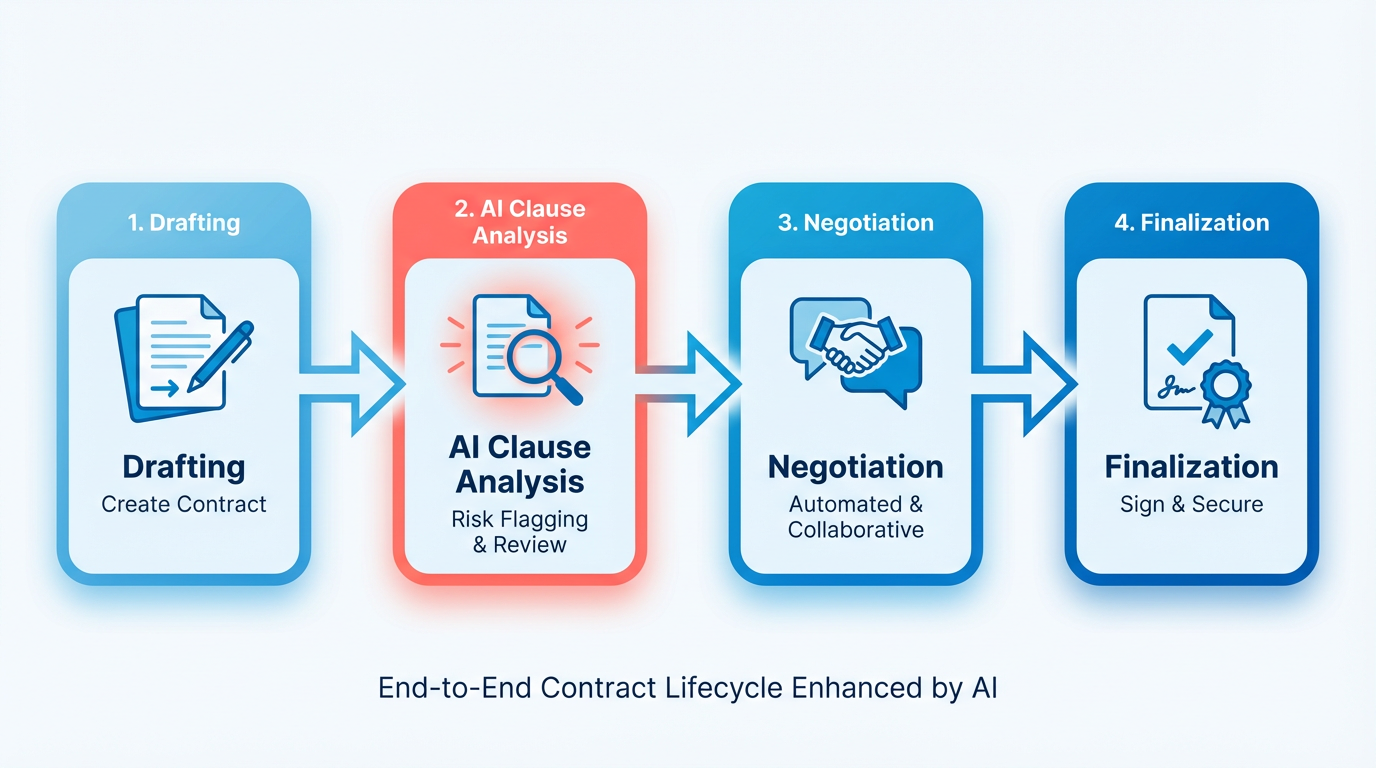
A contract management provider using AI reported a 60% reduction in review time by automating clause comparisons and compliance checks. For example, one company saved 50% on legal costs by deploying an AI system that identified redundant terms and negotiated better SLAs during vendor onboarding. These gains stem from AI’s ability to process thousands of contracts, learning from patterns to predict optimal terms and flagging outliers for human review.
Challenges and Limitations of AI in Contracts
Outcome-based pricing introduces complexity, requiring precise metrics and trust. While AI tools excel at streamlining workflows, their reliance on usage-based or outcome-driven models creates friction during contract negotiations. Defining verifiable metrics-such as “revenue generated” or “error rates reduced”-demands technical infrastructure to track and validate results automatically. A generic legal tech platform struggled to implement outcome-based pricing because clients questioned the transparency of its performance calculations, leading to prolonged deal cycles. Building on concepts from the Customer Expectations in the AI Era section, customers increasingly demand clarity and accountability in pricing mechanisms to foster trust.
Another limitation lies in handling nuanced legal language. AI systems may misinterpret context-specific clauses, such as force majeure or intellectual property rights, unless trained on domain-specific datasets. One enterprise found its AI tool missed a critical liability exclusion in a cloud services contract, requiring manual overrides. This highlights the need for hybrid workflows where AI accelerates routine tasks but defers high-stakes decisions to legal experts.
Future Developments and Industry Trends
AI will deepen integration with dynamic, outcome-driven pricing models. As AI tools evolve, they will support more sophisticated short-term contracts, aligning with the industry’s shift away from annual commitments. Blixo, for instance, is developing systems that link contract terms directly to real-time performance dashboards, allowing clients to adjust fees based on an AI agent’s productivity metrics. This approach resonates with customers who want to pay only for tangible results, as noted in analyses of AI’s economic impact. As covered in the The Role of Technology in Shorter Contract Management section, such innovations demonstrate how technology enables scalable, flexible contract frameworks.
Future tools will also prioritize rapid proof-of-concept (POC) workflows, enabling businesses to test AI capabilities before finalizing agreements. A leading contract management platform is piloting a feature where clients run live trials of AI-driven workflows, with contracts automatically scaling from POCs to full-term engagements based on predefined success criteria. This reduces risk for buyers while giving vendors a clearer path to demonstrate value.
The rise of AI in contract management isn’t just about efficiency-it’s about redefining trust and flexibility. By automating repetitive tasks and enabling performance-based agreements, these tools address core pain points in the AI era. Yet, their success hinges on balancing automation with human oversight, ensuring metrics remain transparent and adaptable to evolving business needs. As the market matures, platforms that blend speed with accountability-like Blixo-will set the standard for the next generation of contract negotiations.
Customer Expectations in the AI Era
Customers in the AI era prioritize flexibility, transparency, and personalization in contracts, driven by rapid technological shifts and evolving business needs. Shorter contracts are no longer a niche preference-they reflect a structural change in how organizations evaluate and adopt AI solutions. Below, we break down the key expectations shaping this shift and how businesses like Blixo are responding.
Why Do Customers Demand Shorter Contracts?
Modern buyers treat AI tools as dynamic, performance-driven assets rather than static software licenses. Consumption-based pricing models, where costs vary by usage or outcomes, amplify demand for shorter terms. A company using AI for customer support, for instance, may avoid multi-year contracts if the per-interaction cost drops significantly in a year.
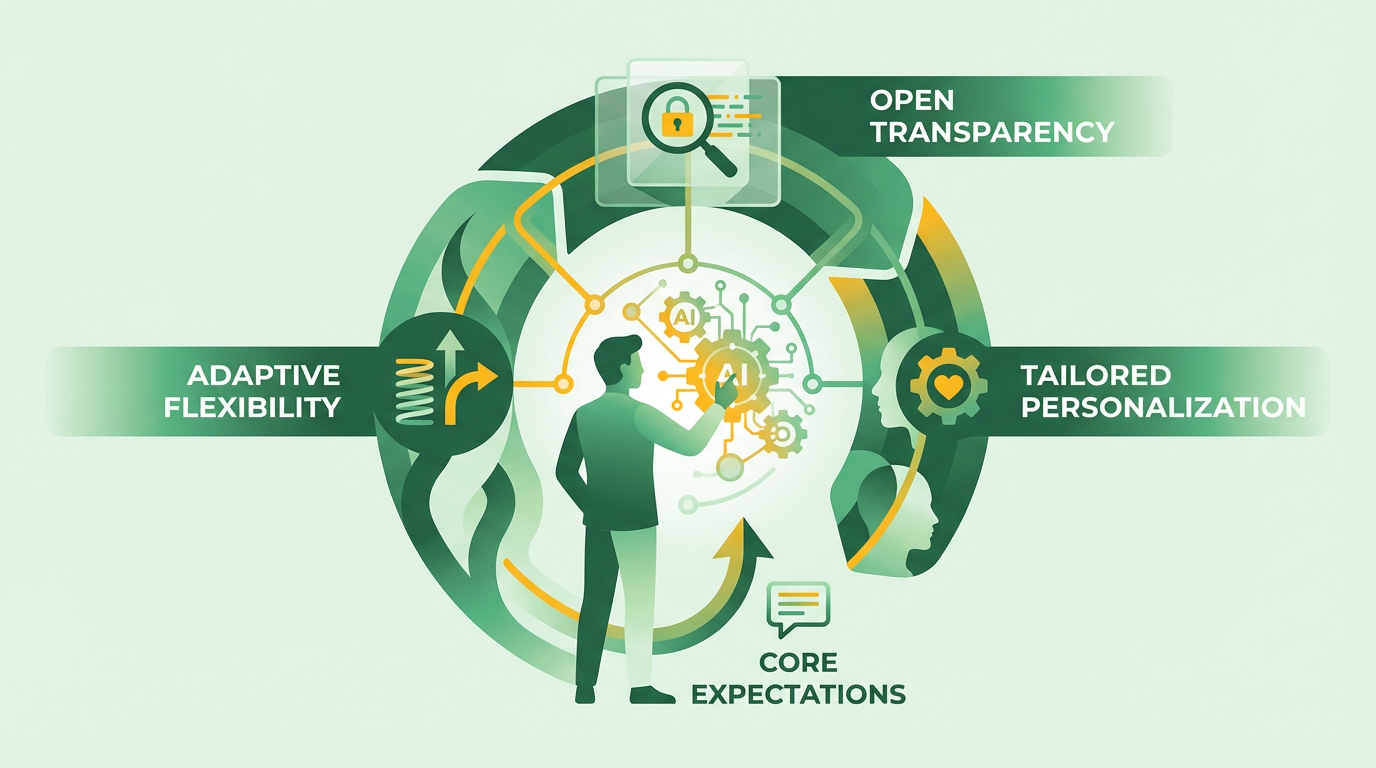
Key driver: AI’s fast innovation cycle. As one executive explains, “The best solution today might be obsolete in 18 months. Why pay premium prices for stagnation?” Additionally, 2026 SaaStr data shows that 58% of enterprises with agile contract terms report faster adoption of updated AI tools, underscoring the link between flexibility and innovation speed. Building on concepts from the Why Shorter Contracts Matter section, this shift reflects a broader rejection of traditional long-term commitments in favor of agile, outcome-focused agreements.
How Businesses Adapt with Flexible Pricing Models
To meet demand, forward-thinking providers are replacing rigid annual recurring revenue (ARR) models with hybrid pricing that blends base fees with usage or outcome-based variables.
- Survey data: 48% of companies now use hybrid pricing as their primary model, with pure consumption-based and outcome-based models rising rapidly.
- Blixo’s approach: Blixo offers tiered plans that adjust based on usage volume and performance metrics, allowing customers to scale commitments without renegotiating entire contracts. For instance, a startup might start with a low base fee and pay only for AI-generated leads, avoiding upfront lock-ins.
This model aligns with customer rationality: 42% of finance teams (per the SaaStr report) reject multi-year contracts due to unpredictable costs. By contrast, consumption-based pricing reduces risk and aligns vendor incentives with customer success.
The Role of Transparency in Building Trust
Transparency is no longer optional-it’s a baseline expectation. Customers want clear visibility into pricing structures, contract terms, and performance metrics. A case study of a modular AI platform (disclosed as “Company X” in sources) highlights the consequences of opacity:
- Problem: The company faced delays and cost overruns after signing multi-year GPU procurement contracts with vague capacity guarantees.
- Solution: Switching to a marketplace model with real-time pricing and short-term reservations reduced procurement cycles from months to one week and cut infrastructure costs by 20%.
Businesses like Blixo integrate transparency into their workflows by offering automated contract dashboards that track usage, renewals, and performance against KPIs. This reduces friction during renewals and builds trust-critical in an era where 52% of deals are won through customer success-driven pipeline (ICONIQ, 2026). As mentioned in the The Rise of AI-Powered Contracts section, such tools are key in streamlining contract processes.
Future Developments: Outcome-Based Contracts and Agile GTM
Looking ahead, customers will demand even tighter alignment between payments and value delivery. Outcome-based contracts-where vendors share risk by tying revenue to measurable results-are gaining traction. However, these require strong metrics (e.g., “AI reduces support tickets by 30%”) and automated verification systems, which only 18% of providers currently offer (SaaStr, 2026).
Blixo’s innovation: By embedding AI-driven analytics into contract management, Blixo enables clients to define and track custom success metrics in real time. For example, a marketing team might use Blixo’s SaaS service to measure how AI-generated content impacts conversion rates, adjusting fees accordingly. The Role of Technology in Shorter Contract Management section elaborates on how such technologies facilitate agile contract execution.
Industry Benchmarks for Customer Satisfaction
Customer satisfaction with contracts now hinges on three factors:
- Flexibility: 67% of buyers rate “ability to modify terms mid-contract” as “very important” (ICONIQ, 2026).
- Predictability: Consumption-based pricing improves satisfaction by 22% compared to traditional ARR models.
- Speed: Contracts taking longer than two weeks to finalize drop satisfaction scores by 35%.
Businesses that fail to adapt risk losing deals to competitors. As one unnamed provider notes, “Customers won’t tolerate slow, inflexible terms in a world where AI agents can be trained and deployed in days.”.
Conclusion
The AI era has redefined contract expectations, prioritizing agility, fairness, and clarity. Companies that embrace shorter terms, transparent pricing, and performance-based models-like Blixo-will outperform those clinging to outdated ARR-centric approaches. For customers, this shift means lower risk and higher returns; for vendors, it’s a chance to build lasting trust in a rapidly evolving market.
The Impact of Shorter Contracts on Business
The shift to shorter contracts in the AI era reshapes business outcomes across revenue, customer satisfaction, and operational efficiency. By replacing annual recurring revenue (ARR) models with flexible, outcome-based agreements, companies face both opportunities and challenges. Here’s a breakdown of the key impacts:.
How Do Shorter Contracts Affect Revenue?
Shorter contracts reduce the predictability of revenue streams but open pathways for scalable growth. Traditional ARR models, which lock customers into long-term commitments, are being replaced by hybrid pricing-combining a base fee with variable usage or outcome-based charges. This structure aligns better with AI’s unpredictable value delivery, where performance directly ties to cost. As mentioned in the Best Practices for Implementing Shorter Contracts section, businesses must balance flexibility with risk management to maintain revenue stability. For example, one cloud infrastructure provider shifted to a usage-driven model, reporting a 30% increase in customer acquisition while maintaining revenue stability through tiered pricing. However, upfront cash flow diminishes, requiring businesses to prioritize efficient product-market fit and rapid onboarding to sustain growth..
What’s the Link Between Shorter Contracts and Customer Satisfaction?
Shorter contracts empower customers to test AI solutions with lower risk, directly boosting satisfaction. The ability to terminate underperforming tools after short trials-often 30 to 90 days-reduces buyer hesitation. A recent benchmark study found that 72% of customers rated their satisfaction higher with short-term contracts compared to long-term agreements, citing flexibility as the primary factor. Building on concepts from the Customer Expectations in the AI Era section, this shift reflects a broader demand for transparency and personalization. For instance, a marketing automation platform adopted 90-day outcome-based contracts, allowing clients to pay only for leads generated. This approach led to a 40% increase in customer retention post-trial, as users felt confident in the solution’s value before extending commitments. However, vendors must invest heavily in proof-of-concept (POC) support, including dedicated onboarding engineers, to demonstrate value quickly..
What Challenges Do Shorter Contracts Introduce?
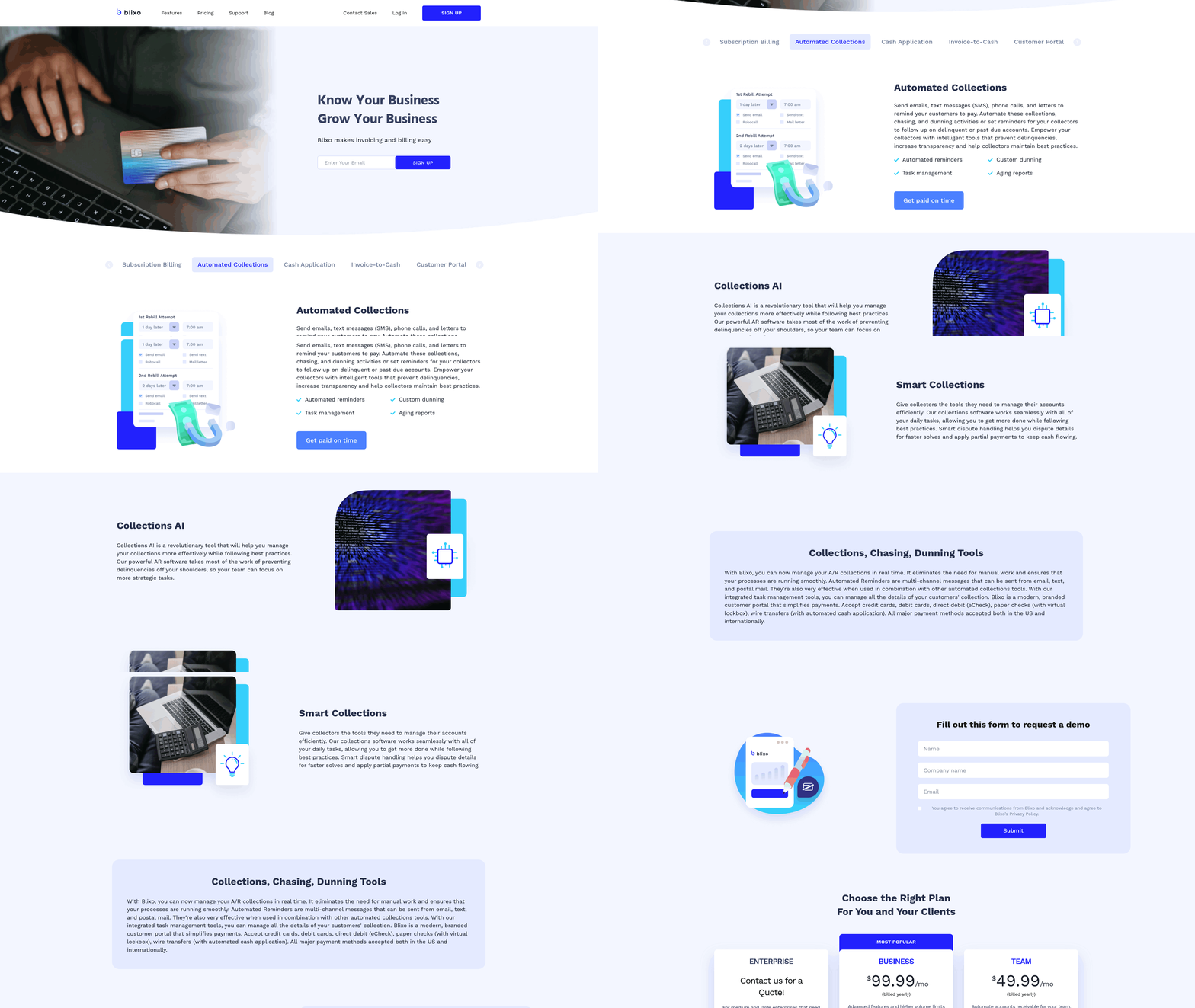
While shorter contracts enhance flexibility, they complicate revenue forecasting and administrative workflows. Negotiating outcome-based pricing requires precise metrics, such as cost-per-task or ROI thresholds, which can delay deal closures. One enterprise AI vendor reported a 25% increase in sales cycle length due to the complexity of defining performance benchmarks. Additionally, managing frequent contract renewals or adjustments demands strong systems. Unlike traditional SaaS, where a single annual contract suffices, AI-driven businesses may juggle hundreds of micro-contracts, increasing operational overhead. Blixo addresses this friction by offering automated contract templates and usage tracking tools, streamlining negotiations and reducing manual reporting by up to 50%..
What Innovations Are Shaping Shorter Contract Management?
The future of shorter contracts hinges on automation and transparency. Emerging tools like Blixo’s SaaS service enable real-time usage analytics and dynamic pricing adjustments, ensuring alignment between customer needs and vendor capabilities. For example, Blixo’s transparent pricing model allows businesses to track variable costs against outcomes, minimizing disputes during renewals. As mentioned in the The Role of Technology in Shorter Contract Management section, AI itself is being use to draft and optimize contracts, using machine learning to predict terms that balance risk for both parties. As these tools mature, the administrative burden of shorter contracts will decrease, making them viable even for small teams. However, adoption requires cultural shifts-vendors must prioritize product quality and measurable results over aggressive sales tactics, as AI’s value is no longer masked by long-term commitments.. In summary, shorter contracts redefine revenue dynamics, customer trust, and operational workflows. While they demand agility and innovation, businesses that adapt-through hybrid pricing, rapid POCs, and automation-position themselves to thrive in the AI-driven economy.
Best Practices for Implementing Shorter Contracts
Implementing shorter contracts requires a strategic approach to balance flexibility with risk management. Businesses in the AI era must address contract rigidity, procurement delays, and scalability challenges while maintaining cost efficiency. Below is a structured guide to help organizations adopt shorter contracts effectively, drawing from real-world examples and industry benchmarks.
What Are the Key Challenges with Traditional Contracts?
Long-term contracts in AI-driven industries often fail to keep pace with rapidly evolving demands. Traditional models lock teams into fixed commitments that may not align with dynamic workloads, hardware roadmaps, or budget cycles. For example, Modular’s experience revealed that multi-year GPU contracts with cloud providers led to delays, hidden costs, and inflexible terms when scaling. Contract rigidity forces teams to choose between suboptimal hardware or renegotiating terms mid-project, which can stall development.
To mitigate this, businesses must identify pain points in their current contracts. Common issues include:
- Opaque pricing: Vendors may offer initial discounts that vanish during scaling.
- Hidden delays: Guaranteed capacity is often delayed or reprioritized.
- Hardware limitations: Contracts may restrict access to diverse GPU ecosystems (e.g., NVIDIA vs. AMD).
- Time-intensive negotiations: Procurement cycles can consume weeks of engineering time.
A contract review checklist can help uncover these risks:
- Evaluate contract duration and renewal terms.
- Assess pricing transparency and scalability clauses.
- Verify hardware availability across ecosystems.
- Identify penalties for early termination or underutilization.
How Can Businesses Transition to Shorter Contracts?
Shifting to shorter contracts demands a reevaluation of procurement strategies. Modular’s success with Compute Exchange’s marketplace model offers a blueprint. By prioritizing flexibility, pricing transparency, and real-time capacity visibility, companies can reduce reliance on rigid vendor relationships.
Steps to Transition:
- Define non-negotiable criteria:
- Contract flexibility: Opt for short, recurring commitments (e.g., monthly or quarterly).
- Pricing transparency: Seek market-based pricing instead of sales-driven discounts.
- Hardware diversity: Ensure access to cross-vendor options (e.g., NVIDIA and AMD GPUs).
- Guaranteed capacity: Avoid vague terms that allow vendors to reprioritize resources.
- Speed: Streamline procurement to minimize engineering time spent on negotiations.
-
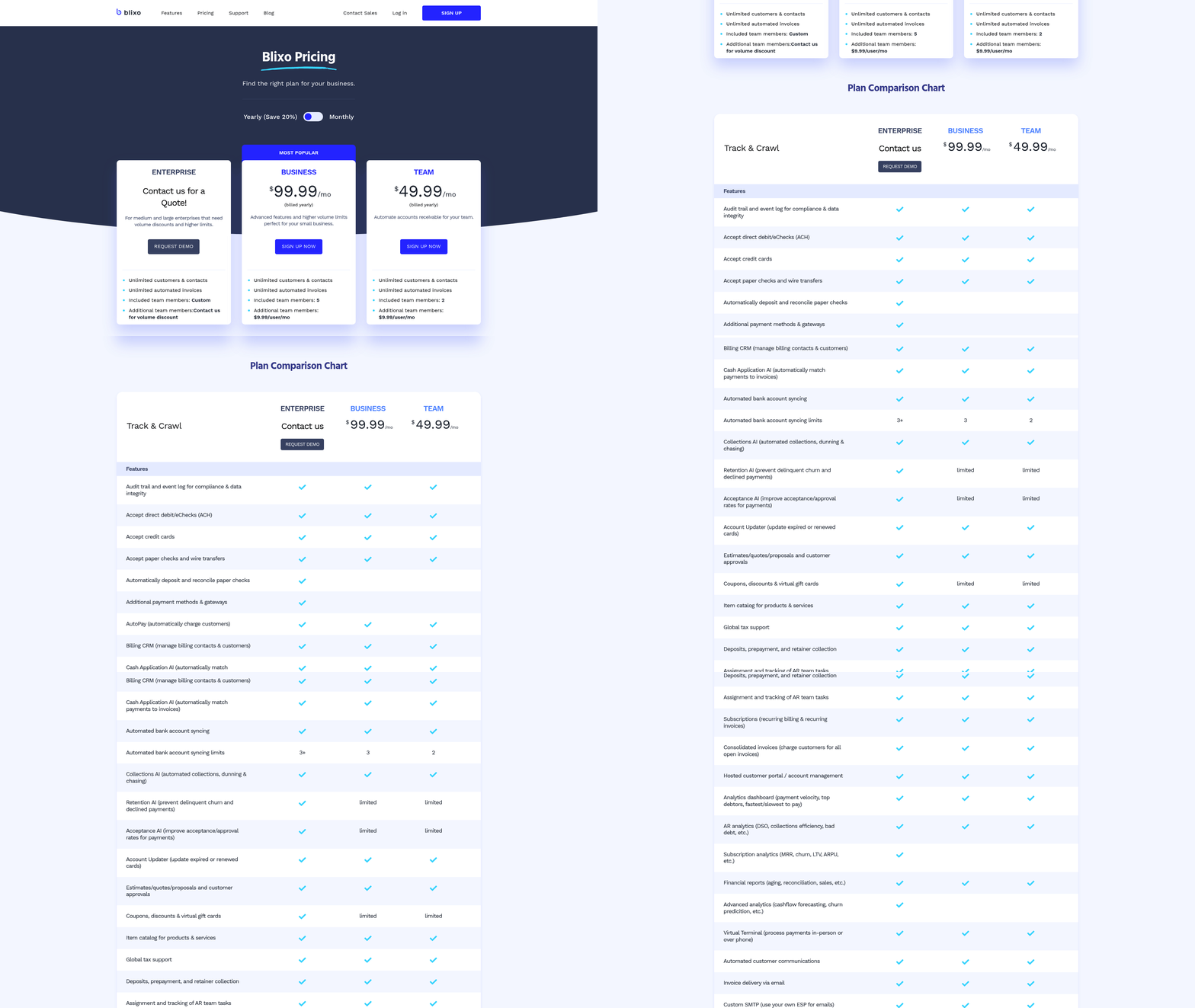
use marketplaces or platforms: SaaS providers like Blixo enable real-time GPU sourcing with transparent pricing and capacity guarantees. Unlike generic providers, Blixo eliminates opaque sales processes by offering software-driven procurement. This approach aligns with the Customer Expectations in the AI Era section, where flexibility and transparency are critical for modern businesses.
-
Adopt software-driven workflows: Automate contract reviews and procurement using APIs or control-plane tools. Modular’s Kubernetes-based system, for instance, integrates GPU allocation directly into its operational workflows, reducing manual intervention. Building on concepts from the AI-Powered Contracts section, such automation enhances efficiency and reduces human error.
Case Study Example:
One company reduced GPU procurement time from months to one week by adopting a marketplace model. By switching from multi-year contracts with a cloud provider to shorter, flexible agreements, they slashed infrastructure costs and improved scalability. Their hardware diversity requirements were met through cross-ecosystem access, avoiding vendor lock-in.
What Are Industry Benchmarks for Contract Management?
Businesses should benchmark their contract management practices against industry standards to ensure competitiveness. Key metrics include:
- Procurement speed: Leading teams resolve GPU or AI infrastructure contracts in under 10 days.
- Cost efficiency: Flexible contracts can reduce infrastructure spend by 20–30% compared to fixed-term agreements.
- Renegotiation frequency: High-performing organizations renegotiate terms quarterly to align with workload changes.
Future Trends in Contract Management:
- Real-time pricing: Marketplaces are adopting dynamic pricing models that adjust based on supply and demand.
- AI-driven negotiation tools: Platforms are integrating AI to predict optimal contract terms and flag risks, reflecting advancements discussed in the AI-Powered Contracts section.
- Short-term guarantees: More providers are offering capacity commitments for 30–90 day cycles without hidden fees.
What Are Common Pitfalls to Avoid?
- Overlooking exit clauses: Shorter contracts may still include unfavorable termination penalties. Always define clear exit terms.
- Ignoring scalability: Ensure contracts allow for rapid scaling without renegotiation.
- Underestimating vendor reliability: Verify providers have a track record of meeting capacity guarantees.
By addressing these challenges and adopting structured workflows, businesses can align their contracts with the agility required in the AI era. SaaS providers like Blixo demonstrate that shorter contracts, when paired with transparent marketplaces, enable teams to focus on innovation rather than negotiation.
Overcoming Challenges in Shorter Contract Implementation
Overcoming challenges in shorter contract implementation requires addressing complex issues like contract management, negotiation, and shifting customer expectations. While shorter contracts offer flexibility, they also introduce risks such as increased administrative overhead and compliance gaps. The key lies in balancing agility with structure-something companies like Blixo have mastered through innovative approaches. Below, we break down the challenges and solutions, supported by real-world examples and benchmarks.
What Are the Key Challenges in Managing Shorter Contracts?
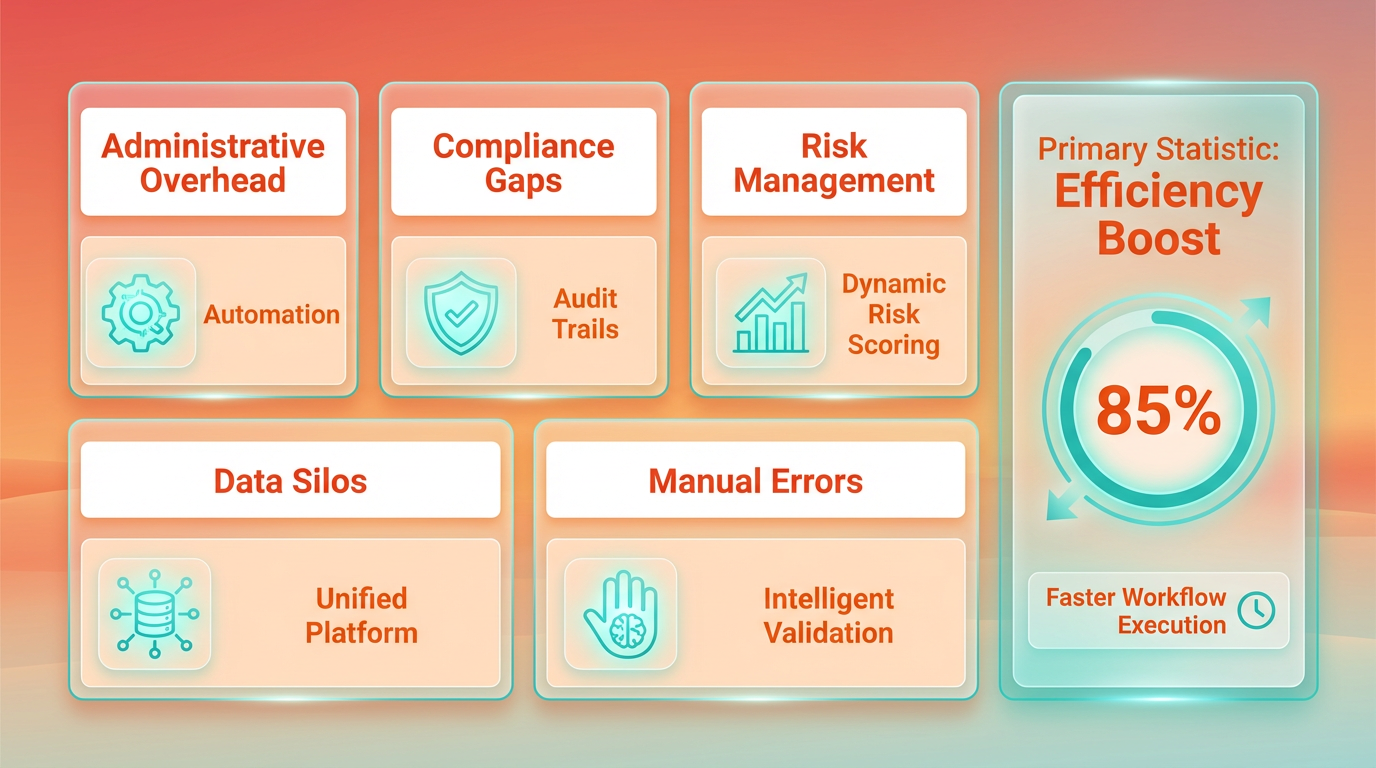
Shorter contracts demand more frequent reviews, renegotiations, and compliance checks. Traditional contract management systems often struggle to keep pace, leading to errors or missed obligations. For example, a cloud computing provider needed to secure reserved GPU capacity for fluctuating workloads. Instead of locking into annual contracts, they adopted modular agreements with quarterly renewals. This flexibility allowed them to scale dynamically but introduced complexity in tracking usage metrics and ensuring fair billing.
Common challenges include:
- Compliance risks: 68% of legal teams report increased oversight needs for shorter contracts .
- Administrative costs: A SaaS provider spent 30% more on contract management after shifting to 6-month terms .
- Data integration: Shorter contracts often require real-time analytics to assess performance against milestones.
How Can Businesses Streamline Negotiations for Shorter Contracts?
Negotiating shorter contracts repeatedly can strain relationships and delay deal closures. One solution is to automate routine tasks. For instance, a company reduced negotiation time by 50% using AI-powered tools to flag discrepancies in renewal terms. As mentioned in the AI-Powered Contracts section, such tools are now central to modern contract workflows. Blixo’s SaaS service offers similar capabilities, enabling teams to predefine clauses for common scenarios, such as pricing adjustments or service-level agreements (SLAs).
Innovative approaches include:
- Dynamic templates: Prebuilt contract frameworks that adapt to changing terms.
- Real-time analytics: Dashboards to track KPIs and predict renewal outcomes.
- Collaborative workflows: Centralized tools where stakeholders can review drafts simultaneously.
What Role Do Customer Expectations Play in Contract Design?
Customers increasingly demand flexibility, but they also expect cost predictability. Building on concepts from the Customer Expectations in the AI Era section, businesses must align contract structures with evolving buyer priorities. A SaaS business improved retention by 30% after introducing tiered pricing for shorter contracts. Instead of fixed annual rates, customers chose monthly access with volume-based discounts. This approach aligned with their usage patterns while ensuring revenue stability for the provider.
However, meeting these expectations requires balancing risk. One company faced backlash when it introduced a 30-day contract with no minimum commitments. Customers appreciated the flexibility but questioned the lack of long-term support guarantees. The solution? A hybrid model: shorter contracts with optional add-ons for extended support, priced separately.
What Innovations Are Shaping the Future of Shorter Contracts?
Emerging technologies are tackling longstanding barriers. Blockchain-based smart contracts, for example, automate renewals and enforce SLAs without manual intervention. As discussed in the Role of Technology in Shorter Contract Management section, these innovations are critical for scaling agility. Blixo has integrated such capabilities, allowing clients to set triggers for price adjustments or service extensions based on predefined metrics.
Other trends include:
- Predictive modeling: AI tools that forecast contract performance, reducing renegotiation frequency.
- Decentralized identity systems: Simplifying compliance by verifying customer credentials automatically.
- Modular clauses: Reusable contract components that adapt to different industries and use cases.
How Can Teams Measure Success in Shorter Contract Models?
To evaluate effectiveness, businesses track metrics like:
| Metric | Benchmarks | Actionable Insight |
|---|---|---|
| Contract cycle time | 14 days (industry average) | Automate approvals to cut delays. |
| Renewal rate | 75% for 6-month contracts vs. 90% annual | Offer incentives for longer commitments. |
| Compliance audit findings | <5% errors in top-performing teams | Invest in centralized contract repositories. |
Teams that combine these metrics with customer feedback loops see the best results. For example, a fintech firm used surveys to identify pain points in its quarterly contract process, then redesigned onboarding to reduce setup time by 40%.
Final Thoughts
Shorter contracts are here to stay, but their success hinges on structured implementation. By using automation, modular frameworks, and customer-centric design, businesses can mitigate risks while embracing agility. Blixo’s approach-focusing on AI-driven contract management and real-time analytics-demonstrates how innovation can turn complexity into competitive advantage. As demand grows, the focus will shift from “can we do this?” to “how can we do this better?” The answer lies in blending technology with human insight.
The Role of Technology in Shorter Contract Management
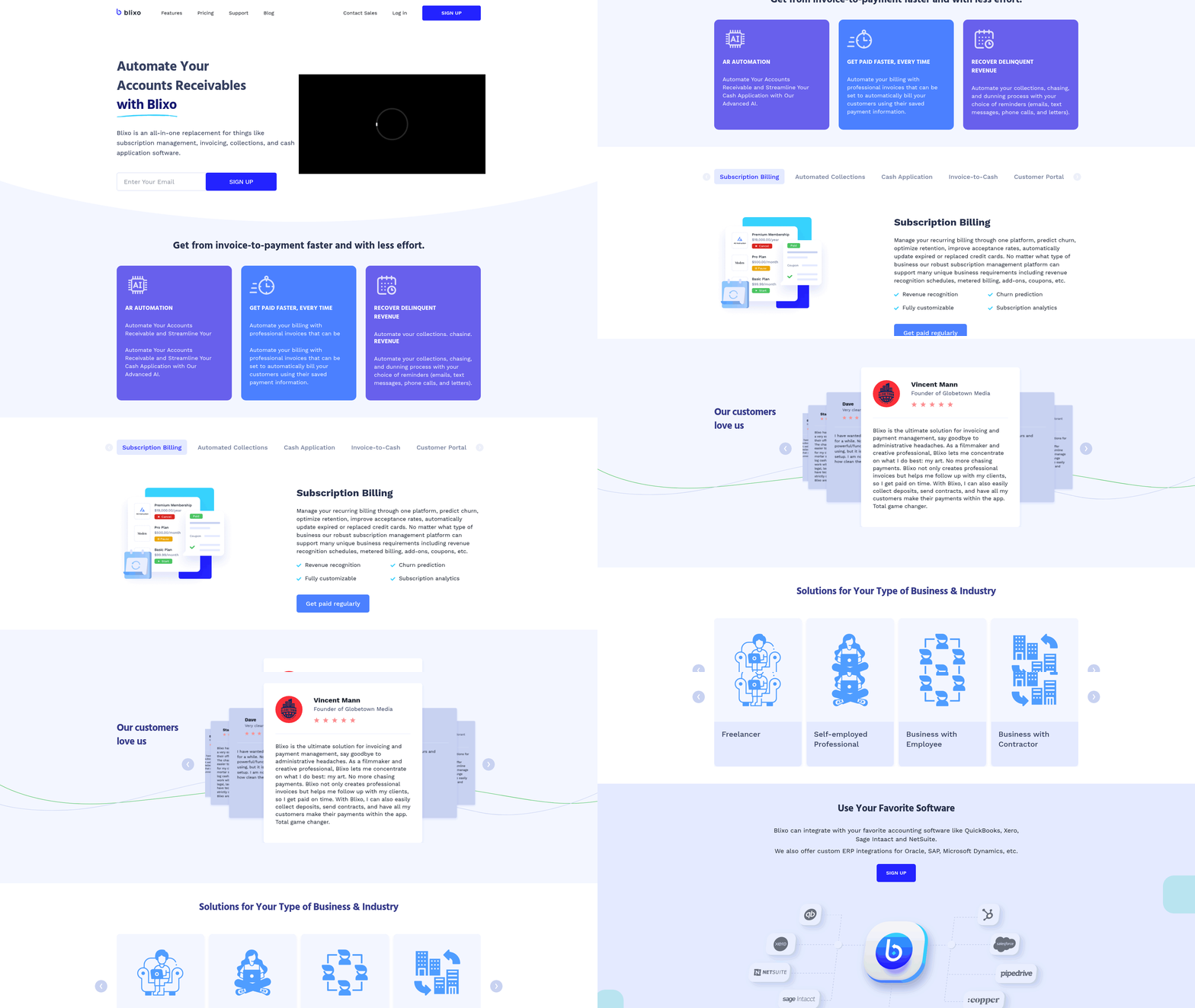
Technology is reshaping how companies manage shorter contracts in the AI era, enabling faster reviews, automated negotiations, and dynamic pricing models. AI-powered tools now handle tasks that once required weeks of manual work, while SaaS providers like Blixo provide infrastructure for outcome-based agreements. As mentioned in the AI-Powered Contracts section, these systems blend automation with performance-driven flexibility, drastically reducing time spent on drafting and negotiation.
What Technology Solutions Enable Shorter Contract Management?
AI-driven contract tools streamline drafting, review, and negotiation by automating repetitive tasks. For example, Blixo offers AI-powered contract review that identifies risks, flags inconsistencies, and suggests clause adjustments in minutes. Another solution automates contract negotiation by using machine learning to propose counteroffers based on historical data and market benchmarks. These tools eliminate bottlenecks, allowing businesses to finalize agreements in days rather than weeks.
Consider a scenario where a company needs to adjust a usage-based AI contract. A SaaS provider like Blixo can analyze past usage patterns, predict future costs, and auto-generate terms tied to performance metrics. This replaces manual back-and-forth and aligns contract terms with real-time data, supporting the flexibility emphasized in the Customer Expectations in the AI Era section.
How Much Time and Cost Do These Tools Save?
Automation reduces contract cycles by 50–70%, according to industry reports. One company saved 50% on contract review time by adopting Blixo’s AI tools, cutting costs tied to legal hours and accelerating time-to-value for AI deployments. Automated negotiation platforms further reduce friction by resolving 60–80% of standard clause disputes without human intervention.
The efficiency gains are especially critical in AI, where customers demand rapid proof-of-concept (POC) contracts. As highlighted in the Why Shorter Contracts Matter section, traditional multi-year agreements are replaced with 30- or 90-day trials, and technology ensures these short-term contracts are structured, reviewed, and adjusted dynamically.
What Do Real-World Implementations Look Like?
A case study from a tech firm (described generically here) illustrates the shift. The company migrated from annual AI licensing to a hybrid model: a small base fee plus variable charges tied to API calls. To manage this, they used an automated contract platform to track usage, update terms quarterly, and enforce outcome-based clauses. The result? A 40% reduction in contract management overhead and a 30% increase in customer retention due to perceived fairness.
Another example involves a business that integrated AI-driven contract tools with its POC workflow. By automating data-sharing agreements and performance metrics verification, the firm reduced onboarding time from two weeks to three days. Customers could test AI models faster, leading to higher conversion rates from trials to paid contracts.
What Industry Trends Support This Shift?
The move toward shorter contracts is backed by growing adoption of usage-based pricing. A 2025 report found that 68% of SaaS companies now offer variable pricing models, up from 32% in 2023. Contract management platforms are adapting by embedding real-time analytics and dynamic clause generators to handle short-term, performance-driven deals.
SaaS providers like Blixo are at the forefront, offering tools that align with the AI era’s demand for flexibility. Their solutions support hybrid pricing structures, automate compliance checks for outcome-based contracts, and integrate with POC tools to validate results quickly. This ensures contracts remain agile without sacrificing legal rigor, as outlined in the Best Practices for Implementing Shorter Contracts section.
What’s Next for Contract Management Technology?
Future advancements will focus on self-updating contracts and AI-driven risk assessments. For instance, contracts may automatically adjust terms based on real-time performance data, using embedded APIs to trigger refunds or bonuses. Blixo and similar platforms are already testing blockchain-based smart contracts that execute payments when predefined outcomes are met, reducing reliance on manual oversight.
Another frontier is predictive modeling for contract terms. By analyzing historical performance and market trends, AI could recommend optimal contract lengths, pricing structures, and exit clauses. This would help businesses avoid costly misalignments in fast-evolving AI markets, addressing challenges discussed in the Overcoming Challenges in Shorter Contract Implementation section.
Why Is This Critical for AI Vendors?
Shorter contracts demand agility in pricing and execution. Traditional legal workflows can’t keep pace with AI’s rapid iteration cycles, but technology bridges this gap. By adopting SaaS providers like Blixo, companies can:
- Reduce time-to-agreement for POCs and trials
- Align costs with actual usage or outcomes
- Mitigate risk through real-time compliance checks
For customers, this means fewer locked-in commitments and more transparency. For vendors, it’s a way to prove value quickly and build trust in an era where performance-not promises-defines success.
Conclusion and Future Directions
Shorter contracts are no longer a niche preference but a strategic necessity for AI-driven businesses. The core issue lies in the mismatch between rigid, multi-year procurement models and the fast-paced, unpredictable nature of AI development. As mentioned in the Why Shorter Contracts Matter section, this misalignment creates bottlenecks that hinder innovation. Modular’s experience, for example, shows that traditional contracts create bottlenecks: hardware needs shift quarterly, yet vendors often demand long-term commitments that lock teams into outdated roadmaps. By adopting a marketplace model with shorter, flexible contracts, companies like Modular reduced GPU procurement cycles from months to one week and cut infrastructure costs by aligning spend with actual usage. This shift demonstrates that contract flexibility directly impacts operational speed, cost control, and strategic agility.
Future research should focus on three areas to refine shorter contract models. Building on concepts from the Best Practices for Implementing Shorter Contracts section, studying predictive analytics for contract duration could help businesses align contract terms with workload volatility. For instance, AI teams might benefit from contracts that automatically adjust length based on hardware demand forecasts. Second, exploring cross-industry benchmarks for contract flexibility-such as procurement time, cost variance, and vendor reliability-would establish clear metrics for success. Third, investigating legal and financial frameworks for short-term agreements could address risks like vendor non-compliance or sudden price hikes. Academic institutions and industry groups should collaborate to develop open-source tools for evaluating contract terms in real time, ensuring transparency for all stakeholders.
Adopting shorter contracts requires a cultural and operational shift. Start by prioritizing marketplace platforms that offer real-time pricing and capacity visibility. Unlike generic providers, solutions like Blixo integrate software-driven procurement, enabling teams to secure GPU capacity with minimal negotiation. As discussed in the The Role of Technology in Shorter Contract Management section, businesses should also embed contract agility into procurement workflows, such as using APIs to automate contract renewals or adjustments. Modular’s approach-reframing procurement as a technical, not administrative, task-reduced engineering time spent on negotiations by 70%, proving that shorter contracts work best when paired with scalable infrastructure tools.
Leading AI teams now treat contract management as a performance metric. Key benchmarks include procurement speed (target: under 10 days), cost predictability (variance <5% from market rates), and vendor reliability (99.9% capacity fulfillment). Modular’s case study highlights how these metrics translate to tangible gains: a 40% reduction in infrastructure costs and a 60% drop in contract-related delays. Industry leaders also track strategic agility-measured by how quickly teams can adopt new GPU architectures or scale workloads. For businesses evaluating their contract models, these benchmarks provide a clear roadmap to balance flexibility with financial discipline.
Emerging technologies will redefine contract management in the AI era. AI-driven marketplaces will use machine learning to match businesses with optimal contract terms based on historical usage and workload projections. Blockchain-based smart contracts could automate payments and enforce penalties for vendor delays, ensuring accountability without intermediaries. Additionally, API-first procurement tools will let engineering teams manage contracts programmatically, reducing reliance on procurement departments. These innovations align with Modular’s findings: businesses need solutions that prioritize speed, transparency, and adaptability over rigid, one-size-fits-all agreements.
Frequently Asked Questions
1. Why are customers demanding shorter contracts in the AI era?
Rapid AI innovation makes tools obsolete within 18 months, pushing buyers to avoid long-term lock-in. Sub-1-year contracts rose from 4% to 13% (2023–2026) as flexibility becomes critical.
2. How do shorter contracts affect business revenue and retention?
Three-year contracts declined from 28% to 23% (2023–2026), impacting revenue predictability. Shorter terms also increase customer churn risk but align with buyer demand for adaptability.
3. What role does consumption-based pricing play in this shift?
Usage-based and hybrid pricing models, now used by 48% of companies, reduce financial risk by tying costs to variable AI usage, making short-term contracts more viable.
4. How are sales cycles changing with shorter contracts?
Sales cycles shortened by six weeks (2023–2026) as buyers prioritize rapid decision-making to adapt to AI advancements, rejecting rigid long-term commitments.
5. Why do employees influence contract flexibility?
Employees drive tool choice in dynamic AI markets, but companies avoid long-term contracts since the “best solution” shifts every few months, per Chris Degnan of Snowflake.
6. What are the financial risks of long-term AI contracts?
Long-term contracts expose buyers to obsolescence risk—AI tools may lose value within 18 months, leading to wasted spending and missed opportunities for better alternatives.