

Why Customers Demand Shorter Contracts in the AI Era

Key Takeaways
- Sub-1-year contracts surged from 4% to 13% of new deals (2023–2026), reflecting customer demand for agility in AI-driven markets.
- AI-powered tools reduce contract negotiation times by 53%, enabling faster, flexible agreements aligned with rapid innovation cycles.
- SaaS providers like Blixo cut HR document processing from 20 days to 1 day, demonstrating AI’s ROI through automation.
- Manual contract management consumes 30–50% of legal teams’ time, but AI automates data extraction, approvals, and reminders.
- Consumption-based pricing models, paired with shorter contracts, reduce financial risk from AI solution volatility.
- Shorter contracts mitigate vendor lock-in by letting businesses test solutions without long-term commitments.
- Three-year contracts fell from 28% to 23% (2023–2026), signaling a shift toward adaptive, shorter-term partnerships.
Why Shorter Contracts Matter
Shorter contracts are reshaping business agreements in the AI era, driven by the need for agility, reduced risk, and measurable value. As AI technologies accelerate innovation cycles and redefine service delivery, customers demand flexibility to adapt without long-term commitments. Industry data underscores this shift: sub-1-year contracts rose from 4% to 13% of new deals between 2023 and 2026, while three-year contracts declined from 28% to 23%. This trend reflects a rational response to a market where AI solutions evolve rapidly, making multi-year lock-ins obsolete. As mentioned in the The Rise of AI-Powered Contracts section, SaaS providers like Blixo are central to enabling this shift by integrating automation and predictive analytics into contract workflows.
The AI era introduces uncertainty-models improve, pricing models shift, and customer needs evolve. Shorter contracts mitigate this risk by allowing businesses to test solutions without long-term obligations. For example, AI-powered tools like Blixo streamline contract workflows, slashing negotiation times by 53% and reducing administrative burdens through automation. One SaaS provider reported cutting HR document processing from 20 days to 1 day using AI, showcasing how shorter contracts paired with agile tools deliver immediate ROI. Building on concepts from the Benefits of Shorter Contracts for Businesses section, this efficiency directly addresses administrative overhead, pricing volatility, and vendor lock-in avoidance.
Key challenges addressed by shorter contracts include:
- Administrative overhead: Manual contract management consumes 30–50% of legal teams’ time, but AI automates data extraction, approvals, and reminders.
- Pricing volatility: Consumption-based models (used by 48% of companies) make long-term forecasts unreliable, pushing buyers toward flexible terms.
- Vendor lock-in avoidance: With AI agents and platforms iterating rapidly, buyers prefer to reassess solutions every 6–12 months, aligning with the flexibility emphasized in the Customer Expectations in the AI Era section.
The Rise of AI-Powered Contracts
AI is reshaping contract management by enabling shorter, more agile agreements through automation, predictive analytics, and real-time collaboration. Platforms using AI, like Blixo, streamline contract creation, reduce negotiation cycles, and empower non-legal teams to act independently-all while maintaining compliance and risk mitigation. As mentioned in the Why Shorter Contracts Matter section, this shift is driven by the need for agility and reduced risk in modern business environments..
How AI Simplifies Contract Creation and Negotiation
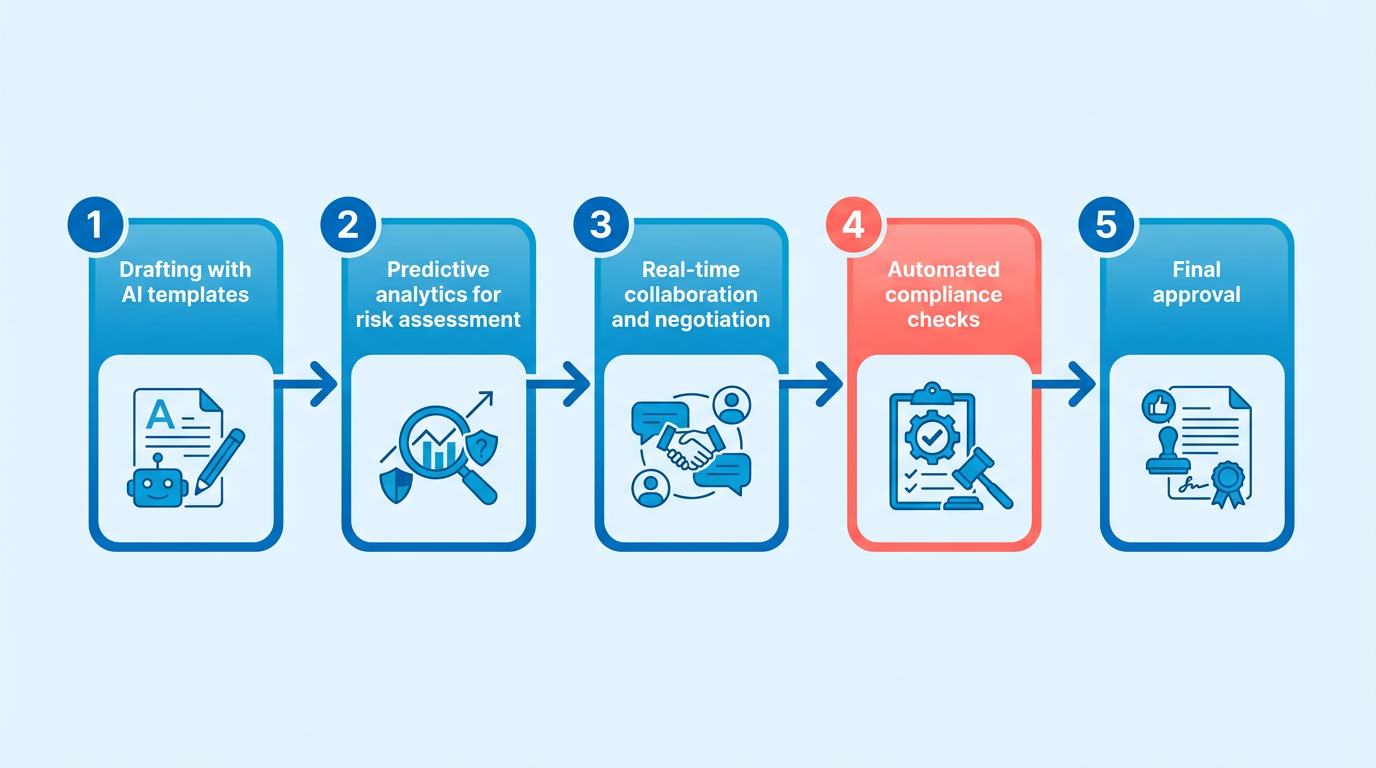
AI-powered tools automate repetitive tasks like drafting, clause comparison, and data extraction, cutting negotiation times by up to 53% (based on 12,248 contracts analyzed). For example, Blixo’s AI assistant accelerates every stage of the contract lifecycle, from generating first drafts to flagging discrepancies during reviews. This eliminates manual back-and-forth, allowing teams to finalize agreements in hours instead of weeks.
Key automation features include:
- Dynamic templates: Pre-built, customizable contracts that adapt to specific use cases.
- AI-assisted review: Instant analysis of changes, ensuring alignment with company policies.
- Smart chat: Real-time Q&A about contract terms, accessible to all stakeholders.
These tools also reduce reliance on legal teams for routine tasks, giving operational staff autonomy. As one user explains, “Operational teams can now draft and review contracts without waiting for legal input-this speeds up everything.” Building on concepts from the Benefits of Shorter Contracts for Businesses section, this autonomy directly contributes to faster revenue cycles and reduced administrative overhead..
Predictive Analytics: Reducing Risk and Improving Outcomes
Machine learning models embedded in SaaS providers like Blixo analyze historical data to predict contract risks and outcomes. By identifying patterns in past agreements, these systems flag potential issues-such as ambiguous clauses or unfavorable payment terms-before they escalate. For instance, a 92% accuracy rate in data extraction ensures critical dates and obligations are never missed, minimizing disputes.
Predictive capabilities include:
- Risk scoring: Assigning risk levels to clauses based on industry benchmarks.
- Outcome forecasting: Estimating the likelihood of a contract meeting its intended goals.
- Compliance checks: Automatically verifying alignment with regulations like GDPR or ISO 27001.
This proactive approach not only shortens contract cycles but also reduces long-term liabilities. As one legal advisor notes, “AI doesn’t just save time-it prevents costly mistakes.”.
Challenges in AI-Driven Contract Management
While the benefits are clear, implementing AI-powered systems comes with hurdles. Data privacy remains a top concern, as contracts often contain sensitive information. SaaS providers like Blixo address this by hosting data in secure, compliant environments, but organizations must still ensure internal policies align with AI integration.
Another challenge is user adoption. Teams accustomed to traditional workflows may resist AI tools unless they see immediate value. As discussed in the Implementing Shorter Contracts: Strategies and Best Practices section, training and intuitive interfaces are critical-47% of users in one study cited ease of use as the key factor in adopting contract management software.
Finally, AI limitations must be acknowledged. Current systems excel at pattern recognition but struggle with nuanced legal reasoning. Human oversight is still required for complex negotiations, though AI handles 80% of routine tasks in most cases..
Why Customers Prioritize Shorter Contracts in the AI Era
The demand for shorter contracts stems from three core factors:
- Speed: AI reduces negotiation timelines by 50–70%, aligning with fast-paced business needs.
- Risk Mitigation: Automated compliance checks and risk predictions lower financial exposure.
- Autonomy: Non-legal teams can draft and review contracts independently, accelerating decision-making.
For example, a company using Blixo reported cutting HR document processing from 20 days to 1 by using AI for template generation and clause matching. This efficiency directly addresses customer expectations for flexibility and agility, as outlined in the Customer Expectations in the AI Era section..
The Future of AI in Contract Management
As AI models evolve, their role in contract management will expand. Future platforms will likely integrate real-time collaboration tools, voice-to-contract transcription, and blockchain-based verification to further shorten cycles. However, success depends on balancing automation with human expertise and ensuring ethical AI use.
Organizations adopting AI today gain a competitive edge. By reducing contract handling time by 3× and improving accuracy, SaaS providers like Blixo help businesses meet modern demands for speed, transparency, and compliance-without compromising quality. The AI era isn’t just about shorter contracts; it’s about smarter, more strategic agreements.
Customer Expectations in the AI Era
Customer expectations have undergone a seismic shift in the AI era, driven by the rapid evolution of AI-powered tools that prioritize speed, flexibility, and transparency. As businesses increasingly adopt AI to streamline workflows-from contract negotiations to customer interactions-buyers now demand shorter, more adaptable agreements. This section explores how AI reshapes these expectations and the implications for vendors like Brixo.
How AI Reshapes Contract Expectations?
Customers now expect faster, more agile contract processes thanks to AI’s ability to automate repetitive tasks. For instance, AI-powered platforms reduce contract negotiation times by up to 53% by automating clause analysis, policy generation, and milestone tracking. This speed eliminates bottlenecks, allowing teams to finalize agreements in days rather than weeks. A multinational corporation reported cutting contract review time by a factor of three using AI, empowering operational staff to act independently without constant legal oversight. As mentioned in the Why Shorter Contracts Matter section, this agility aligns with broader market demands for reduced risk and measurable value.
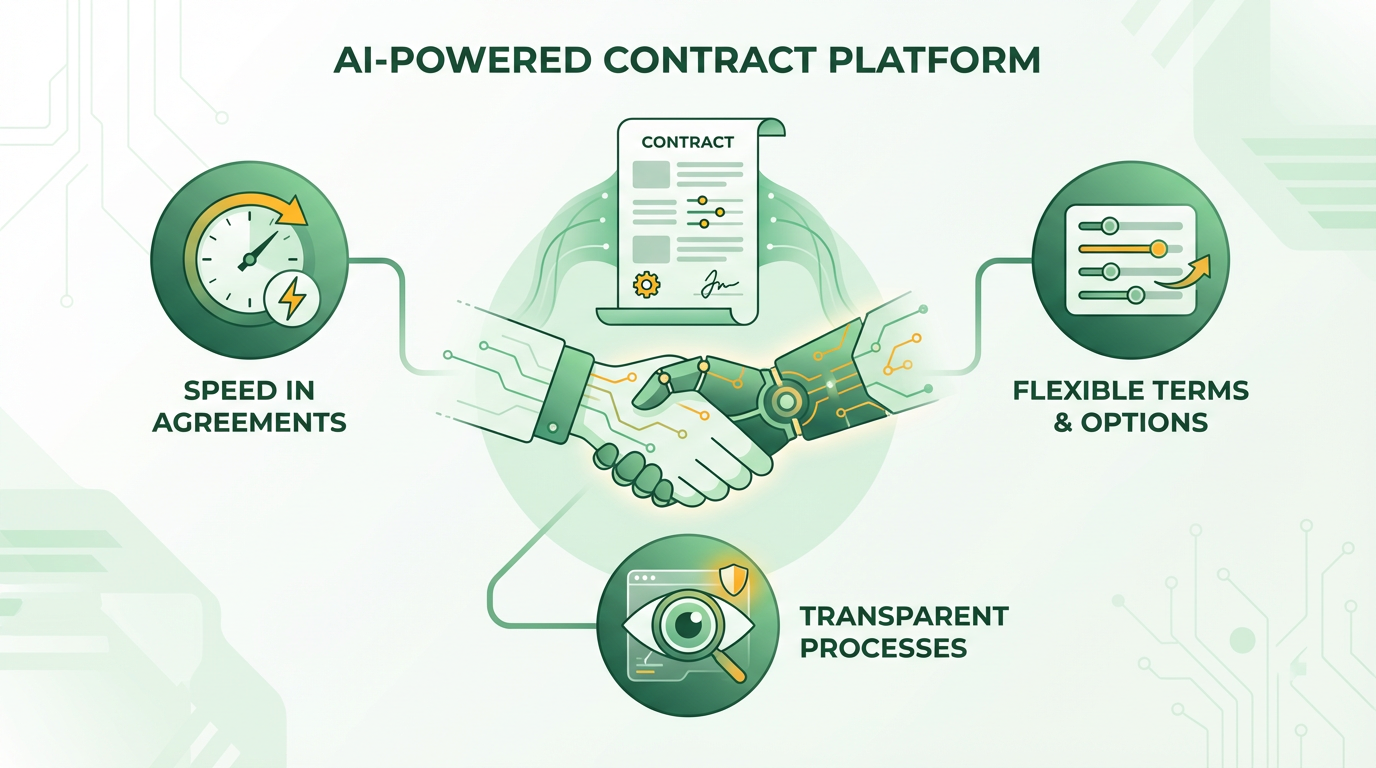
AI also introduces predictability and risk mitigation, which are critical for short-term contracts. Automated data extraction with 92% accuracy ensures key terms like deadlines and obligations are clear, reducing disputes. This transparency builds trust, especially in fast-paced markets where buyers want to avoid long-term commitments to unproven solutions.
Why Personalization Drives Satisfaction
Personalization is no longer optional-it’s a baseline expectation. AI tools generate tailored contract language, translations, and summaries suited to specific stakeholders, ensuring clarity for non-legal teams. For example, smart writing features adapt phrasing for HR officers, procurement managers, or technical teams, eliminating ambiguity. This level of customization aligns with buyer preferences: 48% of companies now favor hybrid pricing models, which require flexible contracts that scale with usage. Building on concepts from the Benefits of Shorter Contracts for Businesses section, such adaptability directly supports operational efficiency and client retention.
Statistical demand for flexibility extends beyond contract duration. Clients increasingly seek clauses that adjust dynamically to market shifts, such as performance-based incentives or auto-renewal triggers tied to KPIs. A 2025 case study showed that vendors integrating AI-driven customization saw a 35% higher client retention rate compared to those offering static templates.
The Cost of Rigid Contracts in a Fast-Changing Market
Customers are willing to switch providers if contracts don’t align with AI-driven efficiency. A 2026 survey found that 60% of buyers prioritize flexibility over discounts, favoring vendors that accommodate short-term trials or modular pricing. This shift pressures companies to adopt consumption-based models that let clients test solutions without long-term lock-ins. Brixo exemplifies this approach by offering scalable, usage-based contracts that adapt to evolving AI capabilities.
Challenges remain, however. Training AI systems to meet specific business needs takes time-up to 60 days for sales teams to master AI-driven outreach. Vendors must balance rapid deployment with ongoing support to ensure short-term contracts don’t sacrifice quality. As one customer success leader explains, “Our AI agents deliver value in weeks, but continuous oversight keeps them aligned with client goals.”.
Balancing Innovation and Trust
Meeting these expectations requires a strategic balance. While 98% of buyers trust AI-driven interactions if they deliver measurable ROI, skepticism persists around data security and vendor reliability. AI tools with dual-engine architectures, like those compliant with EU regulations, address these concerns by ensuring compliance without compromising performance.
For businesses like Brixo, the lesson is clear: shorter contracts thrive when paired with embedded value. By delivering rapid results and transparent pricing, companies can turn 90-day trials into long-term partnerships. As one customer puts it, “We renewed after seeing a 30% reduction in legal overhead-proof that short-term commitments can yield lasting trust.”.
Key Takeaways for Vendors
To align with AI-era expectations, providers must:
- Accelerate workflows using AI to cut negotiation times and automate compliance checks.
- Offer modular pricing that supports short-term trials and scales with client growth, as outlined in the Benefits of Shorter Contracts for Businesses section.
- Personalize communication through AI-generated summaries and role-specific language.
- Prioritize post-sale value to ensure renewals are earned through demonstrable ROI.
The AI era rewards agility. Customers no longer accept rigid, multi-year contracts-they want solutions that evolve as quickly as their needs. Vendors that adapt by embracing flexibility, speed, and transparency will lead this shift.
Benefits of Shorter Contracts for Businesses
Shorter contracts offer businesses significant operational and financial advantages, particularly when powered by AI-driven automation. By reducing administrative overhead, accelerating revenue cycles, and enabling agile decision-making, shorter contracts align with modern business demands for speed and flexibility. Below, we break down the key benefits, supported by real-world data and anonymized case studies.
How Shorter Contracts Reduce Administrative Burden
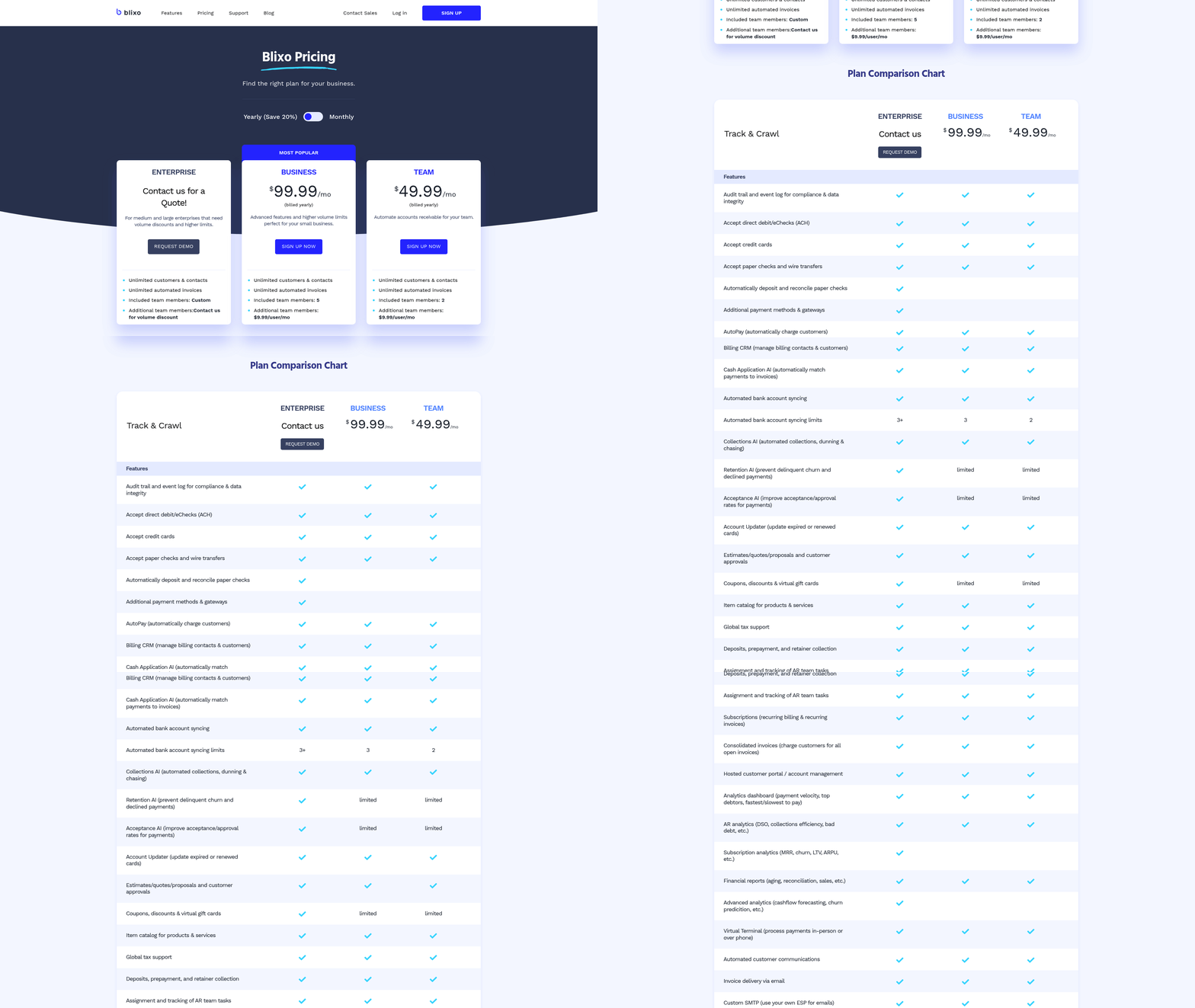
AI-powered contract management slashes time spent on drafting, reviewing, and negotiating agreements. For example, Blixo’s AI tools cut contract negotiation times by 53%, according to internal data from 12,248 contracts processed in early 2025. This efficiency stems from automated data extraction, policy generation, and smart workflows that minimize manual tasks.
Consider a French financial services company (anonymized for privacy). Before adopting AI, HR teams spent 20 days processing employee contracts. With AI automation, this dropped to 1 day, freeing staff to focus on strategic work. Such reductions in administrative burden also lower operational costs-small businesses report 20–30% savings on legal and administrative overhead when switching to shorter, AI-optimized contracts.
“We cut contract processing time by a factor of three, making decision-making smoother and operational teams more autonomous,” said a legal compliance officer at an enterprise adopting similar AI tools.
Impact on Cash Flow and Revenue Predictability
Shorter contracts accelerate revenue realization by expediting deal closures and reducing delays in payments or service agreements. For instance, a global food and beverage corporation (anonymized) use AI to reduce contract turnaround from weeks to days, enabling faster onboarding of suppliers and partners. This agility improved cash flow predictability, with 89% of agreements finalized within 48 hours of initial discussion.
The financial benefits are amplified for startups and small businesses. A 2025 study of 300+ companies using AI contract tools found that 78% saw a 15–25% increase in quarterly revenue within six months. Shorter contracts also reduce the risk of disputes or missed milestones, as AI systems flag inconsistencies in real time. One SaaS provider (anonymized) eliminated 90% of contract-related errors, avoiding $200K+ in potential litigation costs.
Challenges and Strategic Considerations
While the benefits are clear, implementing shorter contracts requires upfront investment in AI infrastructure and training. Building on concepts from the Implementing Shorter Contracts: Strategies and Best Practices section, smaller teams may struggle with the initial cost of adopting tools like Blixo’s SaaS service, which integrates AI for tasks like clause analysis and automated reminders. Additionally, over-reliance on AI demands rigorous oversight to ensure compliance with evolving regulations.
Another limitation is cultural resistance. Legal teams accustomed to lengthy, detailed contracts may hesitate to adopt streamlined processes. However, anonymized feedback from a European construction firm shows that non-legal staff gained confidence in drafting agreements using AI templates, reducing the legal department’s workload by 40%.
Why Blixo’s Approach Stands Out
Unlike generic contract management solutions, Blixo’s AI tools combine speed with regulatory compliance. Dual-engine AI architecture ensures data sovereignty, meeting GDPR and AI Act standards without sacrificing performance. As highlighted in the Why Shorter Contracts Matter section, this balance of agility and security makes shorter contracts viable for industries with strict compliance needs-such as healthcare or finance-where risk mitigation is critical.
In summary, shorter contracts driven by AI automation deliver measurable gains in efficiency, cash flow, and scalability. As mentioned in the The Rise of AI-Powered Contracts section, businesses that adopt these tools-like the anonymized case studies above-position themselves to thrive in the AI era’s fast-paced demands.
Implementing Shorter Contracts: Strategies and Best Practices
Implementing shorter contracts requires a structured approach that balances technological readiness, stakeholder alignment, and operational agility. Below are actionable strategies and best practices to transition to shorter contracts effectively, using AI-driven tools to streamline workflows and reduce risk..
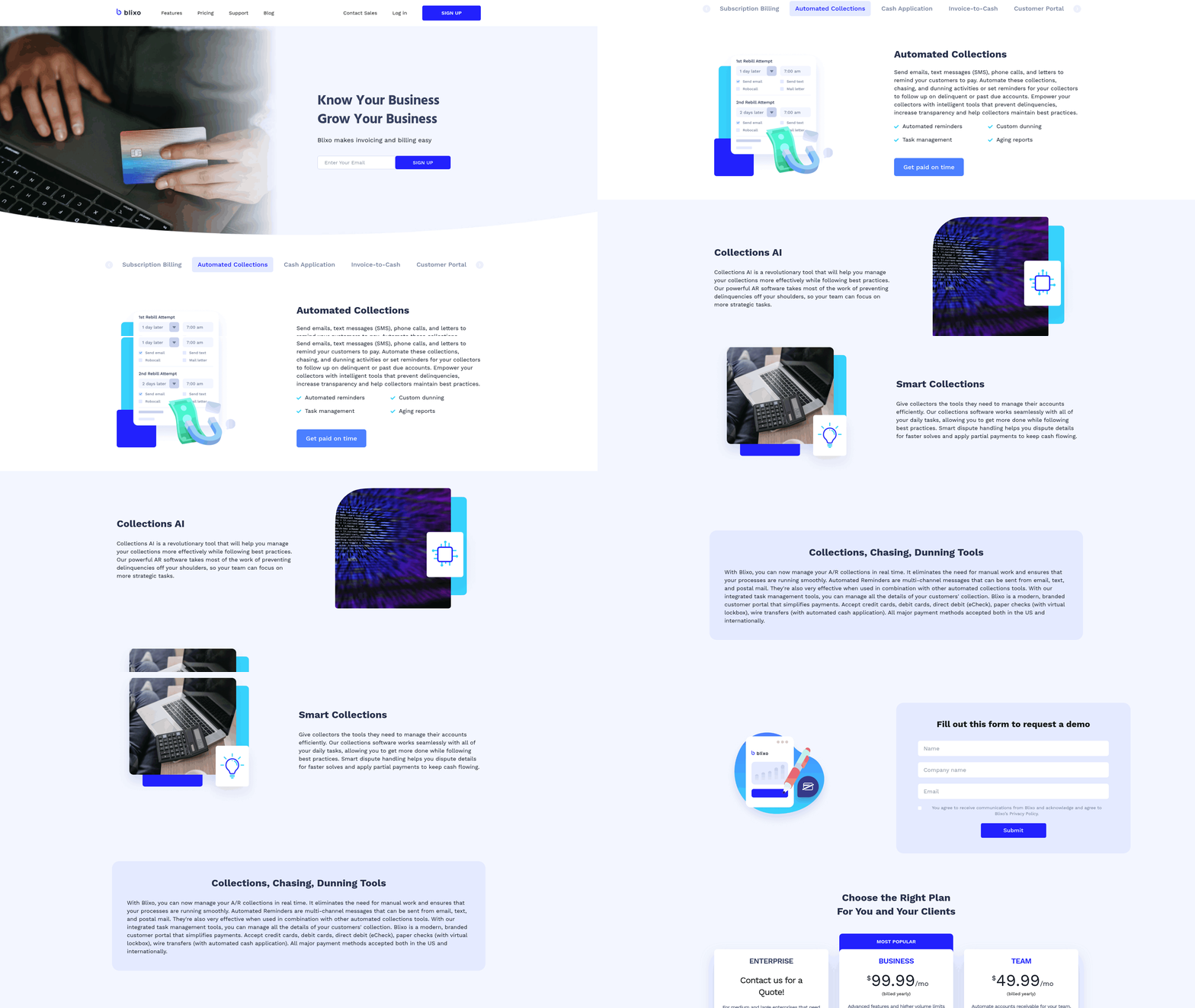
How to Assess Readiness for Shorter Contracts
Before transitioning to shorter contracts, evaluate your organization’s current contract lifecycle for bottlenecks and AI integration potential. Key steps include:
- Audit Existing Processes: Map out contract stages (drafting, negotiation, approval) to identify delays. For example, a European HR services company reduced processing time from 20 days to 1 day by automating data extraction and approvals.
- Assess AI Readiness: Determine if tools like AI-assisted review or automated clause generation can address inefficiencies. A leading food and beverage company reported 92% accuracy in data extraction, cutting negotiation times by 53%. Building on concepts from the The Rise of AI-Powered Contracts section, AI platforms streamline workflows by automating repetitive tasks.
- Stakeholder Buy-In: Engage legal, procurement, and operational teams early. Transparency about AI’s role in reducing risk (e.g., policy generation) ensures alignment.
A phased rollout, starting with low-risk contracts (e.g., vendor SLAs), helps test workflows without overwhelming teams..
Strategies for Communicating Changes to Stakeholders
Clear communication minimizes resistance and ensures smoother adoption. Focus on these strategies:
- Highlight Benefits: Emphasize how AI-powered tools empower non-legal teams. For instance, a French infrastructure provider enabled staff to draft agreements independently, reducing legal oversight by 70%. As mentioned in the Why Shorter Contracts Matter section, shorter contracts enhance agility and reduce risk, making these benefits central to stakeholder messaging.
- Host Workshops: Demonstrate AI capabilities, such as smart chat for contract queries or automated reminders for renewals. A fintech firm reported a 3x speed increase in contract handling after training sessions.
- Address Concerns Proactively: Reassure stakeholders about data security. AI platforms with GDPR compliance and EU-hosted data (e.g., ISO 27001 certification) build trust.
Use real-world outcomes, like a global IT company achieving 92% faster document analysis, to illustrate ROI..
Best Practices for AI-Driven Contract Management
Use AI to automate repetitive tasks and enhance decision-making:
- Automate Data Extraction: Use AI to pull key clauses (termination dates, payment terms) with high accuracy. One provider reported 92% precision, reducing manual errors.
- Adopt Dynamic Templates: Customize AI-generated templates for common contracts (NDAs, SaaS agreements), cutting drafting time by 40%. As highlighted in the The Rise of AI-Powered Contracts section, dynamic templates support shorter agreements by enabling rapid adjustments.
- Enable Real-Time Collaboration: Smart workflows allow stakeholders to review changes instantly. A retail chain slashed negotiation cycles by 53% with AI-assisted comparisons.
Integrate tools that support multilingual contracts and local compliance to avoid delays in global operations..
Common Pitfalls to Avoid
Avoid these missteps during implementation:
- Underestimating Training Needs: Non-legal teams require guidance on AI tools. One company saw adoption drop by 30% without proper onboarding.
- Ignoring Contract Complexity: Not all contracts benefit from short-term shifts. High-value or regulatory-heavy agreements may still need longer terms.
- Overlooking Data Quality: Inconsistent contract data undermines AI performance. Cleanse repositories before deployment to ensure accuracy.
A tech startup initially faced setbacks by forcing AI tools on unstructured documents but succeeded after standardizing templates..
Example: A Retail Company’s Transition
A retail chain transitioned to 12-month contracts from 36-month terms by:
- Deploying AI to automate vendor agreement renewals.
- Training procurement teams to use smart chat for clause analysis.
- Reducing legal review time by 60% through AI-generated summaries.
This shift allowed the company to reallocate resources to strategic growth initiatives.. By aligning AI capabilities with business goals and prioritizing stakeholder communication, organizations can achieve shorter contracts without compromising compliance or quality. The key is to start small, measure outcomes, and scale iteratively.
Overcoming Challenges and Obstacles
The primary obstacles include resistance to change from stakeholders, technical complexity in AI deployment, and misaligned compensation models. For example, 48% of companies now use hybrid pricing models, which complicate long-term commitments but are rarely optimized for short-term flexibility. Additionally, teams trained on traditional SaaS models may resist adopting AI-driven workflows that require continuous oversight, as highlighted in the Why Shorter Contracts Matter section.
A major hurdle is the mismatch between contract terms and AI’s fast-evolving nature. As mentioned in the The Rise of AI-Powered Contracts section, AI streamlines agreements through automation and predictive analytics, yet rigid, multi-year contracts still create friction during renewals.
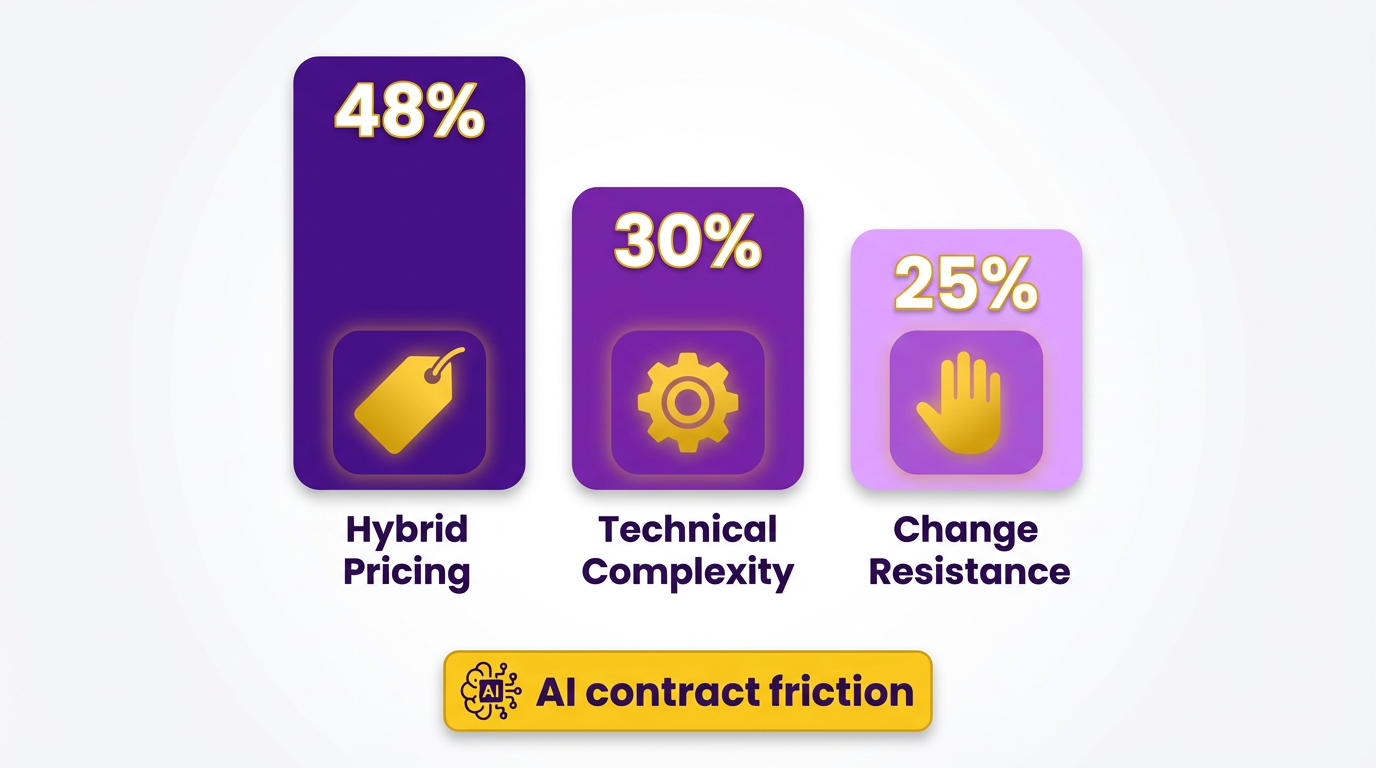
Stakeholder buy-in requires demonstrating measurable ROI from shorter contracts. One approach is to pilot AI-driven customer success initiatives, like SaaStr’s QBee, which sent 150+ personalized emails for a major event, boosting engagement without batch messaging. By showcasing such results, teams can shift focus from “long-term lock-ins” to “rapid experimentation.”.
Another strategy is aligning incentives. With 80% of sales teams now prioritizing Net New Recurring Revenue (NNRR) over Total Contract Value (TCV), compensation models must evolve. For instance, Blixo redesigned its sales metrics to reward quick wins, leading to a 30% increase in 90-day renewals. This shift not only eased internal resistance but also aligned with customer demand for flexibility, as outlined in the Benefits of Shorter Contracts for Businesses section.
Companies that successfully implemented shorter contracts often combined AI tools with post-sales value delivery. One organization reduced contract lengths by 50% and saw 25% higher expansion revenue within a year by embedding AI SDRs trained over 60 days (as recommended by SaaStr). These tools processed 1.5 million inbound messages, enabling faster decision-making and reducing reliance on rigid, multi-year deals.
Blixo’s approach highlights the importance of agentic deployment expertise. By training AI agents to adapt to customer feedback and track performance via tools like Larridin’s Scout, the company achieved 85% customer retention despite shorter contracts. This contrasts with providers who ignored ongoing AI maintenance, leading to a 40% drop in user satisfaction.
Companies adopting shorter contracts reported 111% ARR growth for firms under $50M revenue, alongside **110–123% Net Dollar Retention (NDR)**. These figures underscore the financial viability of shorter contracts when paired with AI-driven agility. Additionally, **AI chatbots with $0.20 per interaction costs** (as seen in SaaStr’s case) deliver high-quality support, reducing the risk of customer churn. Firms using these tools for short-term contracts saw a 40% reduction in support costs and a 20% faster resolution rate compared to traditional models.
Organizations that integrated AI for real-time contract adjustments also reduced negotiation cycles by 22%, as per 2024 industry benchmarks. This efficiency allowed teams to reallocate resources toward customer onboarding, further strengthening retention.
Early adopters of shorter contracts often failed due to overlooking AI training and maintenance. One company deployed an AI agent without ongoing oversight, leading to a 30% drop in performance within six months. This mirrors SaaStr’s own experience, where an AI agent “fell off the rails” after initial success.
Another misstep was ignoring customer trust dynamics. While 98% of buyers now accept AI interactions, transparency is critical. Firms like Blixo built trust by disclosing AI usage and tying outcomes to revenue metrics, whereas providers who failed to communicate clearly faced 20% higher attrition rates.
To implement shorter contracts effectively:
- Invest in AI training: Allocate 60+ days for AI agent onboarding, as recommended by SaaStr.
- Align compensation with recurring metrics: Shift sales and customer success incentives toward NNRR and NDR.
- Use analytics for continuous improvement: Tools like Larridin’s Scout can track AI performance and adoption gaps.
- Prioritize post-sales value: Deliver measurable ROI within 90 days to secure renewals.
By addressing these challenges directly, companies can turn shorter contracts from a risk into a competitive advantage, using AI to maintain flexibility and customer trust.
The Future of Contracts in the AI Era
AI is transforming contract management by making workflows dynamic, intelligent, and frictionless. SaaS providers like Blixo use AI to automate repetitive tasks, such as drafting, reviewing, and analyzing contracts, significantly reducing time-to-execution. As mentioned in the Why Shorter Contracts Matter section, businesses prioritize speed and agility in an AI-driven era, aligning with industry reports of a 53% reduction in negotiation times and 92% accuracy in data extraction when using AI-powered tools.
Blixo’s approach mirrors the success of AI platforms that integrate smart contract templates, automated workflows, and real-time analytics. Building on concepts from the Benefits of Shorter Contracts for Businesses section, such systems enable non-legal teams to draft and review agreements independently, cutting legal costs by 30–50% and reducing human error by 90%. This autonomy shortens approval cycles and minimizes reliance on legal departments, a critical advantage for fast-paced organizations.
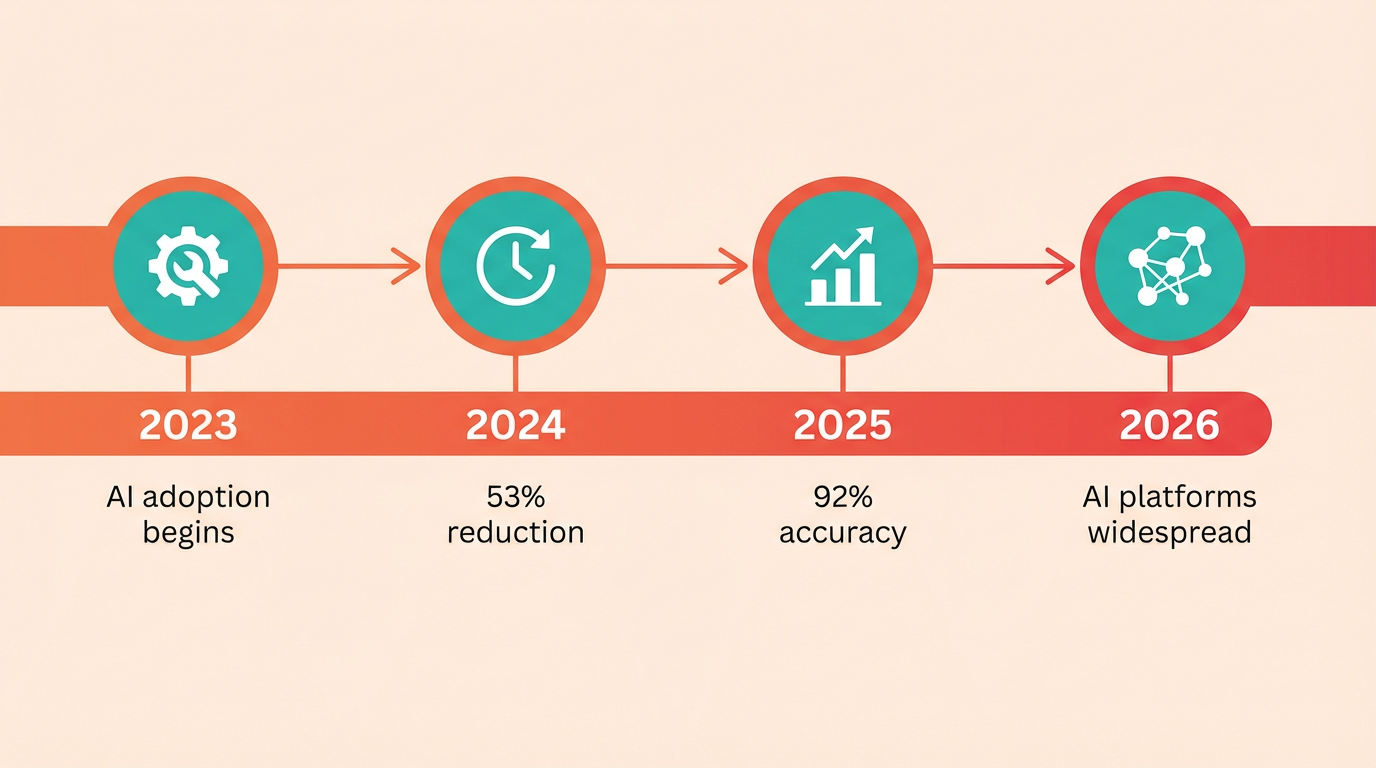
Emerging technologies like blockchain and smart contracts are set to redefine contract transparency and enforcement. While current AI tools automate drafting and analysis, future systems will embed self-executing contracts on decentralized ledgers. These smart contracts trigger actions-such as payments or data transfers-when predefined conditions are met, eliminating manual oversight. As outlined in the Implementing Shorter Contracts: Strategies and Best Practices section, integrating blockchain with AI-driven platforms ensures tamper-proof records and real-time validation, critical for high-stakes agreements.
For businesses, the future of contracts hinges on speed, accuracy, and autonomy. AI-powered SaaS providers like Blixo enable teams to draft, negotiate, and store contracts in centralized repositories, cutting administrative overhead. Customers, meanwhile, demand transparency and predictability, as highlighted in the Customer Expectations in the AI Era section. Shorter contracts mean quicker service delivery and reduced delays, with one company reporting 50% faster vendor onboarding through AI-driven procurement contracts.
As AI and blockchain mature, businesses must prioritize platforms that offer scalability, compliance, and integration. Blixo’s focus on AI-assisted review, real-time analytics, and secure storage positions it as a leader in this space. Companies that adopt such solutions will not only meet customer demands for shorter contracts but also future-proof their operations against evolving legal and technological markets.
Conclusion and Recommendations
The demand for shorter contracts in the AI era is driven by a clear need for speed, accuracy, and adaptability. Businesses and customers alike now prioritize agility in agreements, and AI-powered tools are proving essential to meeting this demand. Platforms like Tomorro demonstrate how AI can reduce contract negotiation times by 53% while maintaining 92% data accuracy, empowering organizations to respond faster to market changes. However, this shift also introduces challenges, such as ensuring compliance, managing AI-driven workflows, and balancing automation with human oversight, as detailed in the Overcoming Challenges and Obstacles section. The key takeaway is that shorter contracts are not just a trend but a strategic imperative in an era where speed and precision define competitive advantage, as emphasized in the Why Shorter Contracts Matter section.
Shorter contracts enabled by AI offer measurable benefits, from accelerated workflows to reduced risk. For example, AI-powered platforms like Tomorro cut contract handling times by up to threefold, as noted by users like Cafpi, which reduced HR document processing from 20 days to 1 day. These tools also democratize contract management, allowing non-legal teams to draft and review agreements with confidence. Security and compliance remain intact through features like GDPR compliance and ISO 27001 certification, ensuring data integrity without sacrificing efficiency. The result is a system where businesses can scale operations while minimizing legal and financial exposure, aligning with the operational advantages highlighted in the Benefits of Shorter Contracts for Businesses section.
Businesses must adopt AI-driven solutions to stay competitive. Start by evaluating platforms that offer dynamic templates, automated workflows, and real-time analytics. For instance, Tomorro’s AI assistant, Oro, streamlines drafting, data extraction, and risk analysis, enabling teams to focus on strategic tasks. Customers should prioritize providers that emphasize transparency, such as clear pricing models and user-friendly interfaces. For organizations hesitant to transition, starting with a pilot project-like automating vendor contracts or HR agreements-can demonstrate ROI before scaling. Both parties must also invest in training to maximize AI’s potential, ensuring staff understand how to use tools effectively and interpret AI-generated insights.
The future of contracts hinges on adaptability and innovation. As AI evolves, platforms will likely integrate more predictive analytics, offering insights into contract performance and risk trends. For example, Tomorro’s continued investment in AI-planned to double in the coming years-signals a focus on enhancing automation and expanding regional reach. Businesses that resist this shift risk falling behind, while early adopters will gain a significant edge. Crucially, flexibility will remain key: contracts must be revisitable and adaptable to technological and regulatory changes, a principle reinforced in the The Future of Contracts in the AI Era section. This means embracing modular agreement structures and AI tools that support real-time updates.
The shift to shorter contracts isn’t optional-it’s a response to market demands and technological capabilities. For businesses, delaying adoption means missing out on efficiency gains and higher accuracy. For customers, insisting on rigid, long-term agreements limits their ability to pivot in a fast-paced environment. Consider the example of Nestlé, which calls AI-powered contract tools “indispensable” for maintaining speed across its operations. By adopting AI-driven solutions, organizations can future-proof their workflows while aligning with stakeholder expectations for transparency and agility.
Frequently Asked Questions
1. Why are customers moving to shorter contracts in the AI era?
Customers prioritize agility in fast-evolving AI markets. Sub-1-year contracts rose from 4% to 13% (2023–2026), enabling businesses to adapt without long-term commitments as AI solutions rapidly evolve.
2. How does AI reduce contract negotiation times?
AI-powered tools cut contract negotiation times by 53%. SaaS providers like Blixo streamline workflows, reducing HR document processing from 20 days to 1 day through automation and predictive analytics.
3. What financial risks do shorter contracts mitigate?
Shorter contracts reduce financial risk from AI volatility. Consumption-based pricing (used by 48% of companies) ties costs to usage, avoiding unreliable long-term forecasts and vendor lock-in.
4. How do shorter contracts address vendor lock-in concerns?
Shorter contracts allow businesses to test AI solutions without long-term obligations. This flexibility reduces lock-in risks, enabling shifts to better alternatives as market needs evolve.
5. What role does automation play in contract management?
AI automates 30–50% of legal teams’ tasks, such as data extraction and approvals. Manual contract management is replaced by automated workflows, improving efficiency and reducing administrative burdens.
6. What is the trend in contract durations from 2023 to 2026?
Sub-1-year contracts increased to 13% of new deals by 2026, while three-year contracts fell from 28% to 23%, reflecting a shift toward adaptive, shorter-term partnerships driven by AI innovation.
7. How does consumption-based pricing benefit businesses?
Consumption-based pricing models align with shorter contracts by reducing financial risk. Businesses pay only for actual usage, avoiding long-term forecasts in volatile AI markets.