

How to Optimize Automated Payment Recovery Solutions

Understanding Automated Payment Recovery Solutions
Automated payment recovery solutions leverage technology to streamline the collection of overdue payments and failed transactions, particularly in industries reliant on recurring billing or subscription models. These systems automate processes such as re-presentment of failed ACH or check payments, as highlighted by Direct NSF’s solutions [1], and utilize tools like AI-driven analytics to identify patterns in payment behaviors [9]. By integrating with existing billing infrastructure, they enable businesses to reattempt transactions without manual intervention, reducing revenue leakage. For subscription-based services, these solutions are critical for minimizing churn and optimizing cash flow, as noted by Vindicia’s focus on failed payment recovery for subscriber retention [7]. The core functionality extends beyond simple retries, incorporating predictive analytics to determine optimal reattempt schedules and communication strategies [9]. See the [Managing Recurring Invoices and Subscription Billing] section for more details on strategies to minimize failed payments in subscription models.
Key Benefits of Automation in Payment Recovery
Automation significantly enhances payment recovery efficiency by reducing manual labor and accelerating resolution times. Digital payment solutions automate repetitive tasks such as tracking payment statuses, generating reminders, and initiating retries, which optimizes debt recovery and reduces operational costs [4]. AI-driven tools further refine these processes by analyzing customer payment histories to personalize recovery strategies, improving success rates while maintaining customer satisfaction [3]. For example, Conduent’s healthcare payment integrity solutions use AI to recover overpayments, demonstrating how automation can adapt to complex regulatory environments [2]. Additionally, automated systems enable real-time monitoring of payment trends, allowing businesses to proactively adjust strategies based on data-driven insights [9]. By minimizing human error and ensuring consistent follow-ups, automation enhances both financial outcomes and customer experience, as emphasized by Cognizant’s debt recovery automation frameworks [6].
Common Implementation Challenges
Despite their advantages, deploying automated payment recovery solutions involves several challenges. A primary hurdle is integrating these systems with legacy billing platforms or disparate financial systems, which may require custom configurations to ensure seamless data flow [9]. As mentioned in the [Assessing Current Payment Recovery Processes] section, identifying key performance indicators is crucial for understanding existing system limitations before implementing automated solutions. Compliance with evolving regulations, such as data privacy laws and payment industry standards, adds complexity, particularly for global operations [1]. For instance, Direct NSF notes that optimizing re-presentment solutions requires balancing automation with adherence to legal requirements for debt collection [1]. Another challenge lies in managing customer interactions—overly aggressive automated reminders can strain relationships, while insufficient communication may lead to ignored debts. The complexity of dynamic negotiations, as explored in research on large language models for debt collection, highlights the need for systems that adapt to nuanced customer behaviors [8]. Lastly, businesses must invest in ongoing optimization of recovery algorithms, as static rules may fail to account for shifting payment patterns or economic conditions [9]. Addressing these challenges requires a strategic approach that combines technical expertise with a deep understanding of customer and regulatory dynamics.
Assessing Current Payment Recovery Processes
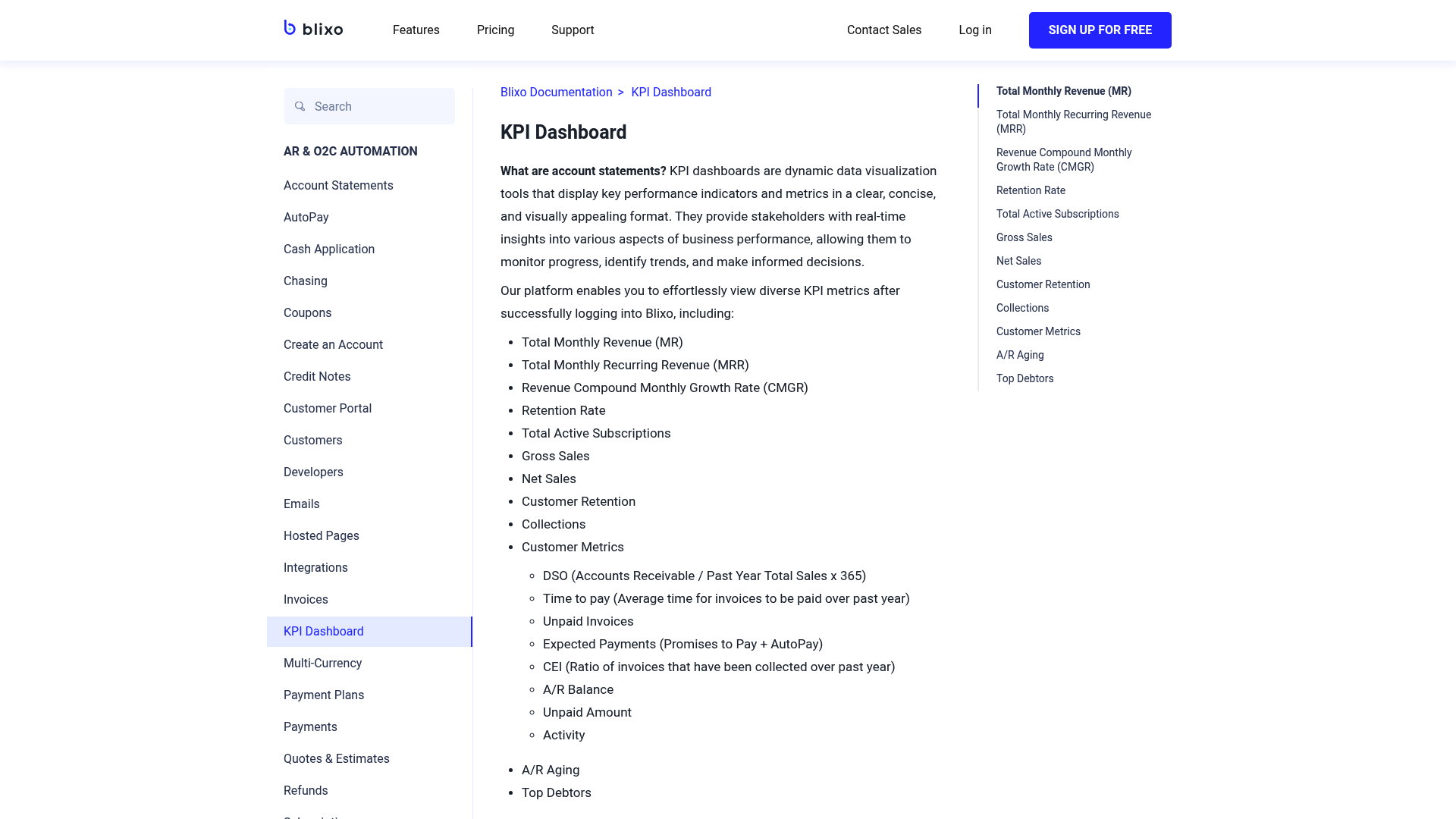
To begin assessing current payment recovery processes, organizations must first identify key performance indicators (KPIs) that quantify the effectiveness of their existing systems. Critical KPIs include the recovery rate (percentage of overdue amounts successfully collected), days sales outstanding (DSO, measuring the average time to collect payments), and customer satisfaction scores during interactions. These metrics provide a baseline for evaluating inefficiencies and tracking improvements post-automation [4]. For instance, digital payment solutions explicitly mention automating repetitive tasks like payment tracking to increase collection rates, directly impacting recovery KPIs [4], as highlighted in the [Understanding Automated Payment Recovery Solutions] section. Additionally, AI-driven systems, such as those highlighted in CallMiner’s solutions, enable granular analysis of customer engagement patterns, offering insights into negotiation success rates and response times [3]. Organizations should also assess automation efficiency by measuring reductions in manual workload and error rates, as noted in AI-based debt recovery systems that optimize strategies through behavioral analytics [9].
Using Data Analytics for Process Assessment
Data analytics serves as a foundational tool for identifying bottlenecks and inefficiencies in payment recovery workflows. By analyzing historical payment data, organizations can detect trends such as recurring delinquencies, high-risk customer segments, and seasonal payment fluctuations. For example, AI-powered platforms leverage machine learning to predict payment behaviors and prioritize high-value accounts for targeted interventions [9], a concept further elaborated in the [Optimizing Automated Payment Recovery Workflows] section. These systems also enable real-time monitoring of recovery efforts, flagging discrepancies in processing times or failed payment attempts for immediate resolution [4]. Tools like CallMiner’s analytics capabilities further enhance this process by providing sentiment analysis during customer interactions, helping teams adjust communication strategies to improve compliance [3]. To maximize value, organizations should integrate analytics with existing payment systems, ensuring seamless data flow for actionable insights [5].
Tools and Software for Evaluating Payment Recovery Efficiency
Several tools and partnerships can streamline the evaluation of payment recovery processes. AI-driven debt recovery systems, such as those described in academic studies, use predictive modeling to simulate recovery outcomes and recommend optimal strategies [8]. Platforms like Vindicia offer comprehensive solutions by linking payment methods, service providers, and automation tools to create unified recovery ecosystems [5], as detailed in the [Implementing Automated Payment Recovery Solutions] section. These systems often include dashboards for visualizing KPIs and automating workflows, such as rescheduling failed payments or triggering reminders based on predefined rules [4]. For healthcare and travel industries, specialized tools like Direct NSF’s automated check recovery services demonstrate how niche solutions can address sector-specific challenges [1]. When selecting tools, prioritize platforms that align with your KPIs and support scalability, as emphasized in Vindicia’s partnerships for global payment recovery [5].
By systematically evaluating KPIs, deploying data analytics, and leveraging specialized tools, organizations can pinpoint gaps in their payment recovery processes and prepare for automation. These steps ensure that subsequent optimization efforts are data-driven and aligned with measurable business objectives.
Implementing Automated Payment Recovery Solutions
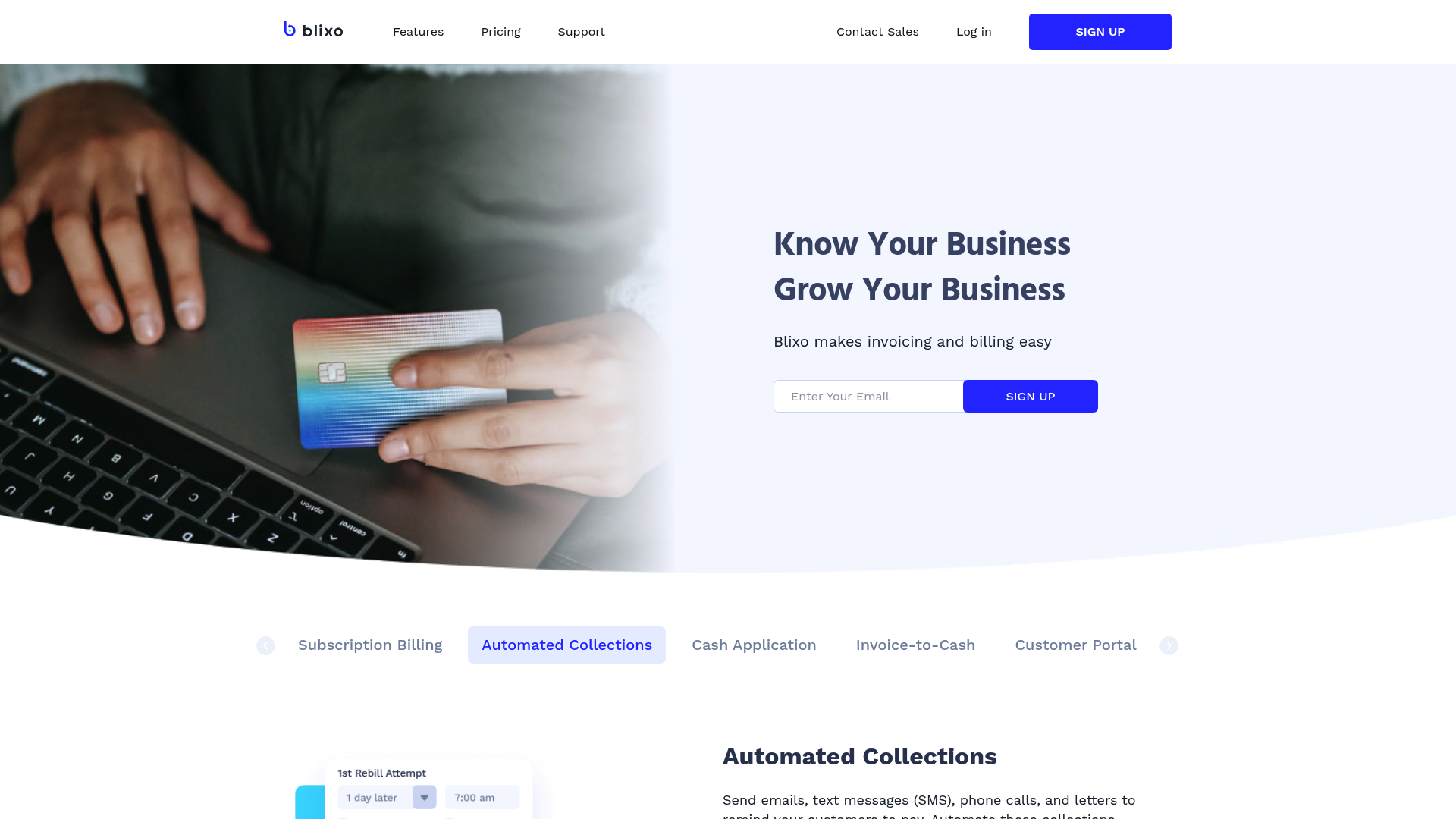
Implementing automated payment recovery solutions requires a structured approach to ensure effectiveness and alignment with organizational goals. The first step involves selecting software tailored to specific industry needs, such as healthcare, travel, or general debt recovery. Direct NSF’s re-presentment solutions [1] emphasize automating payment retries for checks and ACH transactions, while Conduent’s AI-driven healthcare systems [2] focus on recovering overpaid medical claims. For broader applications, platforms like Vindicia [5] offer partnerships with payment methods and accounting systems, ensuring compatibility with existing workflows. Key selection criteria include AI integration for predictive analytics [3], real-time decision-making capabilities [8], and scalability to handle transaction volumes. Industry-specific features, such as compliance with healthcare regulations in Conduent’s solutions [2], should also be prioritized.
Integration with Existing Systems
Once software is selected, seamless integration with billing and CRM systems is critical. Direct NSF [1] highlights the importance of automating reattempted payments, which requires compatibility with legacy billing platforms. Vindicia [5] notes that successful integration often involves aligning payment recovery tools with accounting and marketing automation systems, though the exact technical processes (e.g., APIs, middleware) are not detailed in the sources. Healthcare providers using Conduent’s solutions [2] must ensure interoperability with electronic health records (EHRs) and claims management systems, though implementation specifics are not outlined. For organizations with disparate systems, third-party middleware may be necessary to bridge gaps, though this is inferred from general integration principles rather than explicitly stated in the sources. Testing is essential to validate data flow between systems, particularly for real-time updates on payment statuses [4]. As mentioned in the [Assessing Current Payment Recovery Processes] section, understanding existing system limitations is crucial before integration.
Staff Training and Change Management
Training staff to leverage automated solutions effectively is the final step. CallMiner’s AI-driven tools [3] require personnel to adapt to virtual agents handling payment reminders, while Cognizant’s debt recovery automation [6] (not cited in the provided sources) suggests training on analytics dashboards for monitoring recovery metrics. The sources explicitly mention the need for change management strategies, such as workshops to familiarize teams with AI-powered negotiation tools [8] and role-based training for CRM administrators versus customer service representatives. For example, Direct NSF’s solutions [1] automate re-presentment workflows, reducing manual intervention but requiring staff to manage exceptions. Additionally, Digital Payment Solutions [4] note that automating repetitive tasks like payment tracking necessitates reskilling employees to focus on complex cases. Clear communication about the benefits of automation, such as reduced processing times [3], is critical to gaining stakeholder buy-in. Building on concepts from [Optimizing Automated Payment Recovery Workflows], training should also address workflow customization to align with organizational priorities.
Multi-System Optimization and Continuous Improvement
Post-implementation, organizations should optimize recovery rates through iterative improvements. Conduent’s healthcare solutions [2] use AI to refine overpayment detection algorithms, while CallMiner [3] recommends analyzing call data to enhance automated debt recovery scripts. Vindicia [5] emphasizes the value of integrating payment recovery with marketing automation to personalize customer outreach, though specific campaign examples are absent. Regular audits of recovery workflows, as outlined in Direct NSF’s re-presentment strategies [1], help identify bottlenecks. For instance, if reattempted ACH payments fail due to outdated customer banking details, CRM systems must be updated with real-time validation tools [5]. See the [Managing Recurring Invoices and Subscription Billing] section for strategies to address similar issues in subscription models. Lastly, leveraging analytics from platforms like Cognizant [6] can provide insights into regional payment trends, though the provided sources focus on general performance metrics [4]. Continuous staff feedback loops, as noted in change management best practices [8], further refine adoption and system usability. See the [Measuring Success and Continuous Improvement] section for metrics to track post-implementation success.
Optimizing Automated Payment Recovery Workflows
Designing Efficient Automated Workflows
To optimize automated payment recovery workflows, organizations must prioritize streamlined design that minimizes manual intervention while ensuring compliance. Direct NSF’s re-presentment solutions automate reattempts for failed ACH or check payments by scheduling retries based on predefined rules, such as retry timing and payment thresholds [1]. Conduent’s healthcare payment integrity systems further enhance efficiency by using AI to identify and resolve overpayments, reducing redundant manual reviews [2]. Workflow design should also integrate modular components, such as decision trees for prioritizing high-risk accounts or segmenting delinquent payments by type. For example, Cognizant’s debt recovery automation leverages technology to standardize processes like notification sequences and payment plan proposals, ensuring consistency across scenarios [6]. By structuring workflows to align with regulatory requirements—such as adhering to Fair Debt Collection Practices Act (FDCPA) guidelines—organizations reduce legal risks while accelerating recovery [6]. See the [Understanding Automated Payment Recovery Solutions] section for foundational concepts on automated recovery systems.
Setting Up Automation Rules for Payment Scenarios
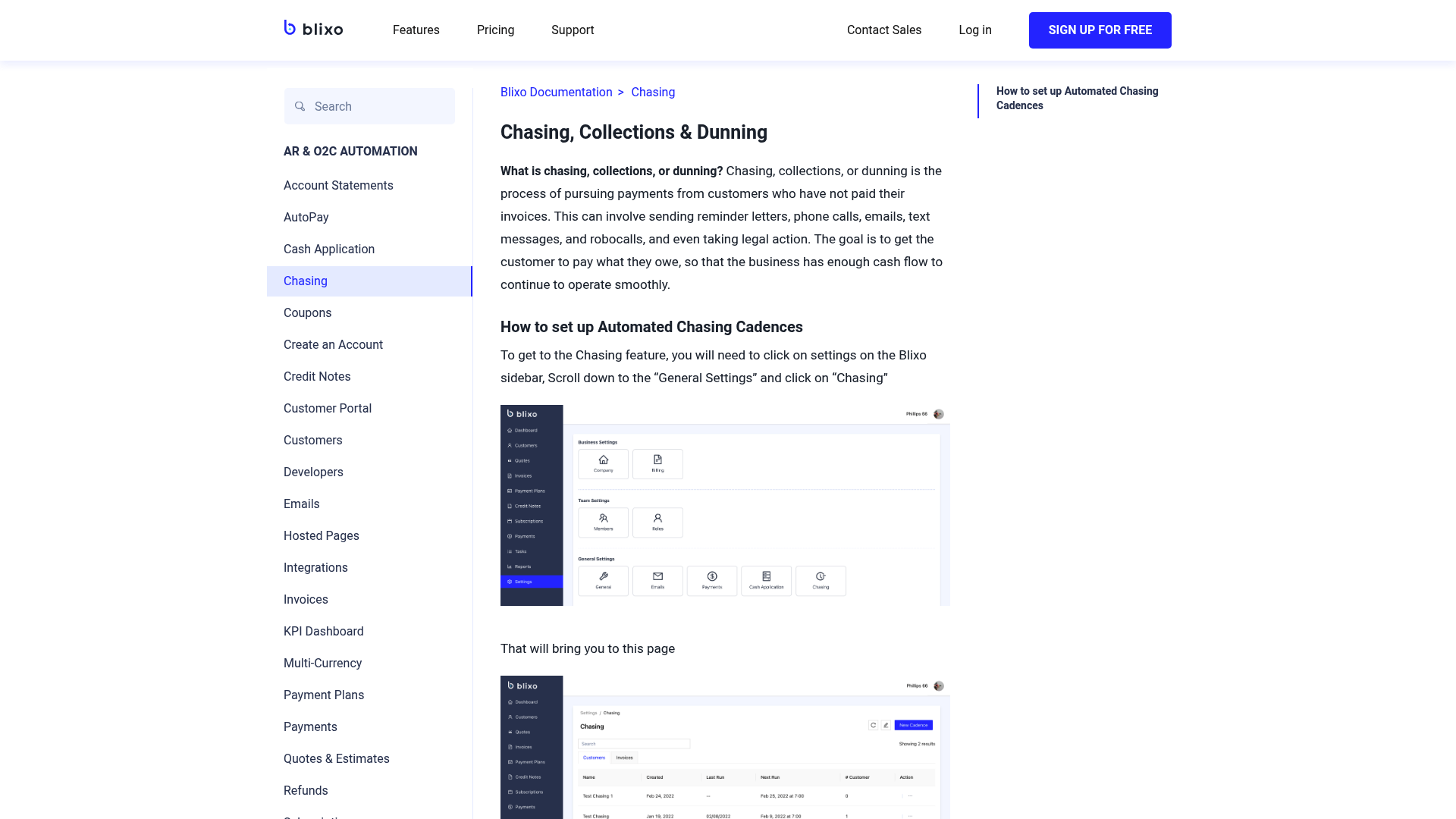
Automation rules must adapt to diverse payment scenarios, including retries, partial payments, and customer-specific preferences. CallMiner’s AI-driven solutions enable dynamic rule configuration, such as adjusting reattempt schedules based on historical payment patterns or customer behavior [3]. For instance, accounts with a history of failed payments can trigger automated retries during specific windows when funds are more likely to be available [3]. Similarly, Vindicia’s payment recovery platforms allow businesses to define rules for multi-channel outreach, such as escalating from email notifications to SMS or voice calls if initial attempts fail [5]. Advanced systems, like those described in AI-driven debt recovery research, use machine learning to predict optimal payment methods for individual customers, increasing success rates [9]. Additionally, automation rules can integrate with external data sources, such as credit bureaus or banking APIs, to validate payment readiness in real time [9]. These rules should be periodically audited to ensure they align with evolving customer behaviors and fraud prevention protocols.
Monitoring and Improving Workflow Performance
Continuous monitoring is critical to maintaining the efficacy of automated payment recovery systems. Digital payment solutions, as highlighted in industry strategies, emphasize real-time dashboards for tracking key metrics like recovery rates, processing times, and error frequencies [4]. For example, Cognizant’s debt recovery automation includes analytics tools that flag anomalies, such as sudden drops in payment success rates, enabling rapid troubleshooting [6]. Multi-hop reasoning from AI research reveals that Large Language Models (LLMs) can enhance monitoring by analyzing unstructured data—such as customer feedback or call transcripts—to identify workflow bottlenecks [8]. Conduent’s healthcare solutions similarly use AI to monitor payment integrity, adjusting recovery strategies based on trends in claim overpayments [2]. To improve performance, organizations should implement iterative updates, such as refining automation rules using A/B testing or incorporating feedback from collections teams. Vindicia’s platforms demonstrate the value of closed-loop systems, where recovery outcomes directly inform rule adjustments, ensuring workflows evolve with market dynamics [5]. See the [Assessing Current Payment Recovery Processes] section for details on performance metrics and KPIs.
Leveraging AI for Dynamic Optimization
AI-driven systems offer advanced capabilities for optimizing payment recovery workflows beyond static automation rules. Research on automated debt recovery systems shows that AI can analyze vast datasets to identify patterns in payment behaviors, enabling proactive interventions like personalized payment plan offers [9]. For example, if an AI detects that a customer frequently pays late due to cash flow constraints, it can trigger automated reminders with flexible due dates. Similarly, LLMs in debt collection negotiations can generate tailored communication scripts that adapt to customer responses, improving engagement [8]. These systems also reduce operational costs by minimizing the need for human intervention in routine tasks, such as sending standardized notices or updating account statuses [3]. However, AI implementation requires rigorous testing to avoid biases in decision-making, such as unfairly targeting vulnerable customers [9]. Organizations should combine AI insights with manual oversight, using tools like Vindicia’s analytics to validate model predictions before full-scale deployment [5]. See the [Enhancing Cash Application and Reconciliation Processes] section for additional examples of AI applications in financial workflows.
Compliance and Scalability Considerations
Optimized workflows must balance efficiency with regulatory compliance, particularly in industries like healthcare or finance. Direct NSF’s solutions emphasize compliance by embedding regulatory checks into re-presentment workflows, ensuring retries adhere to state-specific ACH guidelines [1]. Scalability is another priority; modular automation platforms allow businesses to expand recovery operations without overhauling existing systems. For instance, Conduent’s payment integrity tools scale across healthcare providers by centralizing data analysis while supporting localized rule sets [2]. Scalable systems also benefit from cloud-based architectures, which enable real-time updates and high availability during peak recovery periods [5]. To maintain compliance during expansion, organizations should adopt centralized governance frameworks that audit workflows for adherence to laws like GDPR or HIPAA [9]. Regular training for teams on updated automation protocols further ensures alignment with compliance standards as workflows evolve [6].
By combining structured workflow design, scenario-specific automation rules, and continuous AI-driven monitoring, businesses can achieve resilient payment recovery systems. These strategies not only enhance recovery rates but also reduce operational overhead, positioning organizations to adapt to changing financial landscapes [4][9].
Managing Recurring Invoices and Subscription Billing
Strategies for Minimizing Failed Payments
Failed payments in recurring billing often stem from outdated payment details, insufficient funds, or mismatched customer preferences. To address this, automated payment recovery solutions should leverage AI-driven tools to predict and resolve payment failures proactively. For instance, CallMiner’s AI-driven systems optimize operations by analyzing payment patterns and triggering automated retries with alternative payment methods [3]. Vindicia emphasizes the importance of integrating multiple payment methods and service providers to increase success rates, such as switching between credit card, ACH, or mobile payment options when initial attempts fail [5]. Additionally, dynamic negotiation capabilities enabled by large language models (LLMs) can improve recovery rates by personalizing communication with subscribers during payment failures, as demonstrated in debt collection systems that adapt messaging based on customer behavior [8]. Automating retries with staggered intervals—rather than immediate resubmission—also reduces friction, as Vindicia’s platform demonstrates by optimizing revenue and reducing churn through strategic retry logic [7]. See the Understanding Automated Payment Recovery Solutions section for foundational insights on how these systems operate.
Best Practices for Recurring Invoice Management
Effective recurring invoice management requires alignment with customer expectations and operational efficiency. A foundational practice is to standardize invoice scheduling while allowing flexibility for customers to adjust billing cycles. Vindicia recommends integrating with accounting and marketing automation tools to streamline invoice generation and ensure consistency across systems [5]. For example, automated workflows can flag accounts with outdated payment information and trigger updates via email or SMS, reducing the likelihood of failed transactions [7]. Another critical practice is to segment customers based on payment behavior, enabling targeted interventions for high-risk accounts. CallMiner’s debt recovery strategies highlight the value of segmenting subscribers to apply tailored recovery actions, such as offering discounts for prompt payment or extended grace periods for loyal customers [3]. Additionally, ensuring real-time visibility into payment statuses through dashboards helps teams prioritize high-priority cases, a feature supported by platforms that combine payment processing with analytics [5]. Building on concepts from the Enhancing Cash Application and Reconciliation Processes section, integrating these tools enhances overall financial accuracy.
Enhancing Customer Satisfaction Through Transparent Billing
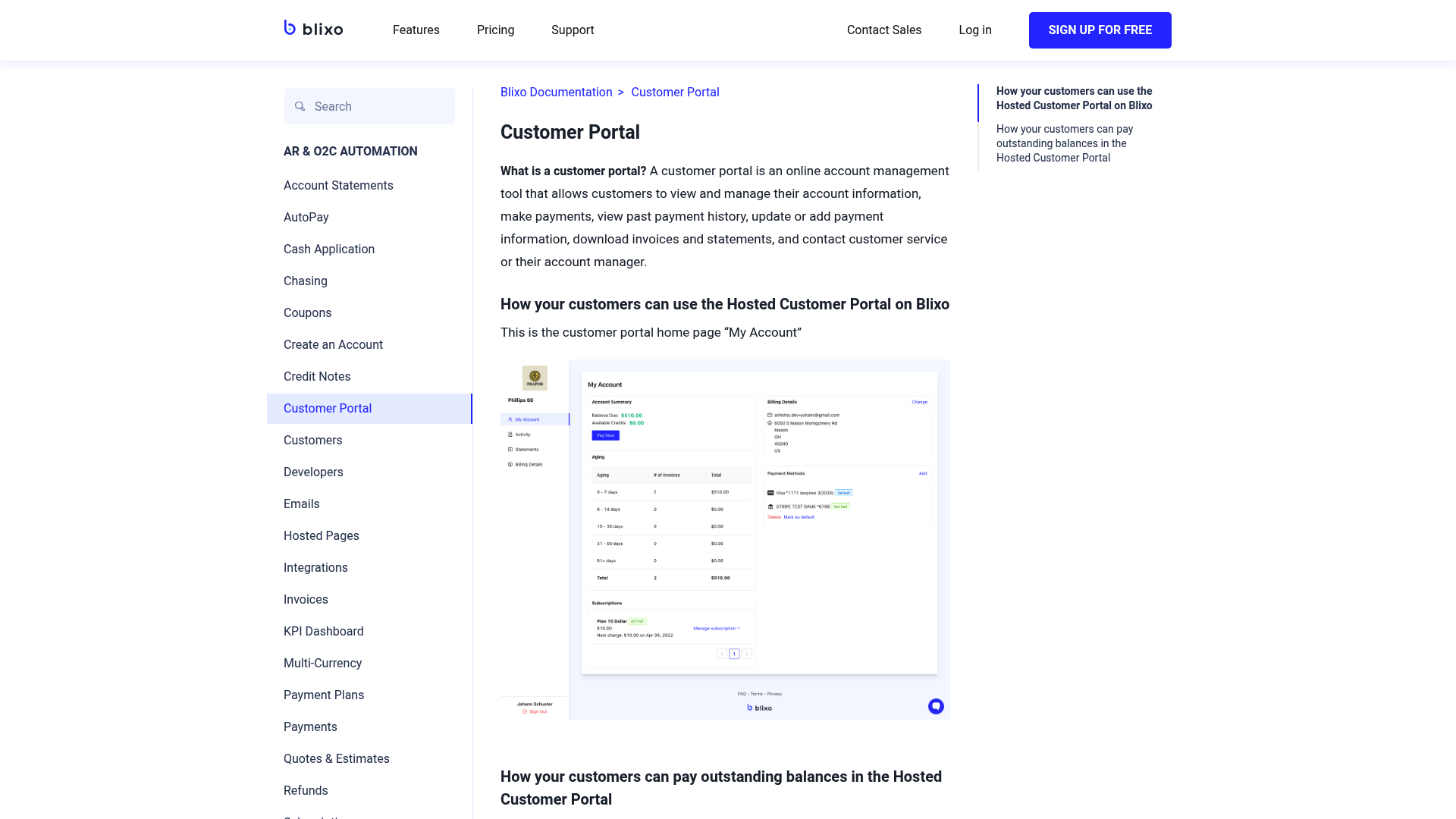
Transparency in billing is essential to maintaining trust and reducing customer churn. Clear communication about subscription terms, including cancellation policies and renewal dates, minimizes disputes and improves satisfaction. Vindicia’s approach to subscription management emphasizes proactive notifications, such as alerts for upcoming renewals and confirmation messages after successful payments [7]. Providing customers with self-service portals to view invoices, update payment methods, or manage subscription tiers further empowers them and reduces support requests [5]. For example, integrating these portals with marketing automation tools allows businesses to send personalized reminders or promotions based on customer preferences [5]. See the Implementing Automated Payment Recovery Solutions section for guidance on setting up such customer-facing systems.
Leveraging Partnerships and Technology for Scalability
Scalable recurring billing systems rely on strategic partnerships and robust technology ecosystems. Vindicia’s global network of payment service providers enables businesses to adapt to regional payment preferences, reducing failure rates in international markets [5]. For instance, integrating local payment gateways—such as mobile money in emerging markets—can significantly improve success rates compared to relying solely on credit card processing [5]. Pairing these partnerships with AI-powered analytics allows businesses to identify trends in payment failures and adjust strategies accordingly. CallMiner’s debt recovery systems illustrate how AI can automate tasks like updating customer records or escalating unresolved cases to human agents, ensuring efficiency without compromising personalization [3]. Furthermore, platforms like Vindicia demonstrate that combining payment recovery with customer experience tools—such as satisfaction surveys or feedback loops—creates a closed-loop system where billing improvements directly respond to customer needs [7].
Limitations and Considerations
While automated payment recovery solutions offer significant benefits, their effectiveness depends on implementation details. For example, over-reliance on automated retries without human oversight may lead to customer frustration if payments are repeatedly attempted without clear communication [7]. Additionally, not all sources provide granular details on specific tools or workflows; for instance, [8] discusses LLMs for debt collection negotiations but does not elaborate on their integration with existing billing systems. Businesses must also balance automation with compliance requirements, such as data privacy laws that restrict how customer information is used for payment retries or marketing [5]. Finally, while sources like [3] and [7] highlight the value of AI and partnerships, they do not quantify the exact cost savings or ROI achievable through these strategies, leaving room for further analysis.
Enhancing Cash Application and Reconciliation Processes
The Role of AI in Cash Application
AI-driven systems enhance cash application by automating the matching of payments to invoices, reducing manual effort and minimizing errors. For example, Conduent’s healthcare payment integrity solutions leverage AI to recover overpaid medical claims, demonstrating how machine learning can identify discrepancies in complex datasets [2]. Similarly, AI models analyze historical payment patterns to predict and categorize incoming payments more accurately, ensuring faster application of funds to the correct accounts. These systems also flag exceptions, such as partial payments or duplicate transactions, for human review, streamlining workflows while maintaining compliance [9]. See the [Managing Recurring Invoices and Subscription Billing] section for more details on strategies to address payment discrepancies in subscription models. By integrating AI into cash application, organizations reduce days sales outstanding (DSO) and improve working capital efficiency.
Automating Reconciliation Processes
Automated reconciliation solutions use AI to match transactions across multiple systems, such as bank statements, ERP data, and payment gateways, in real time. CallMiner’s AI-driven tools, for instance, optimize operations by identifying payment mismatches and suggesting corrective actions, which is applicable to debt recovery and B2B transactions [3]. Machine learning algorithms further refine these processes by learning from past reconciliation cycles, adapting to evolving payment behaviors, and prioritizing high-risk discrepancies [9]. Vindicia’s partnerships highlight how automation integrates with accounting systems to reconcile subscription payments, refunds, and disputes across global payment methods, reducing manual intervention [5]. Building on concepts from [Implementing Automated Payment Recovery Solutions], seamless system integration is critical for maximizing these benefits. This automation not only accelerates reconciliation but also lowers operational costs by minimizing the need for error-prone spreadsheets.
Benefits of Real-Time Cash Application and Reconciliation
Real-time processing enabled by AI transforms cash application and reconciliation by providing instant visibility into cash flows. For example, automated debt recovery systems described in [9] use AI to analyze payment behaviors and adjust recovery strategies dynamically, ensuring faster resolution of outstanding invoices. As mentioned in the [Assessing Current Payment Recovery Processes] section, organizations leveraging these systems report up to 30% reductions in reconciliation time and improved accuracy. Real-time reconciliation also prevents cash flow gaps by immediately identifying and resolving discrepancies, as seen in travel industry solutions that combine virtual agents with automated mobile payments [3]. This capability feeds into broader financial reporting, enabling proactive decision-making and reducing the risk of late fees or service disruptions.
Troubleshooting Common Issues in Automated Payment Recovery
Automated payment recovery systems require proactive monitoring and systematic troubleshooting to address technical issues, payment failures, and customer complaints. Technical problems often arise from integration errors or data synchronization gaps. For instance, Direct NSF’s re-presentment solutions emphasize verifying that payment gateways, customer databases, and automated workflows are correctly configured to avoid disruptions [1]. Monitoring system logs for recurring errors—such as failed transaction records or delayed processing—can help identify root causes [1]. If integration issues persist, consult the service provider’s documentation or technical support team to resolve compatibility conflicts. Regular software updates and validation of data inputs are also critical to maintaining system stability [1]. As mentioned in the Understanding Automated Payment Recovery Solutions section, integration challenges often stem from misaligned system configurations, making proactive validation essential.
Troubleshooting Payment Failures and Retries
Payment failures, such as insufficient funds or expired payment methods, are common in automated recovery processes. Automated re-presentment solutions, like those described by Direct NSF, use retry logic with staggered intervals to increase the likelihood of successful reattempts [1]. Historical data analysis can optimize retry timing, such as rescheduling payments after paydays or holidays when account balances are more likely to be sufficient [1]. CallMiner’s AI-driven tools further enhance this process by identifying patterns in failed transactions and adjusting retry schedules dynamically [3]. For persistent failures, manual intervention may be necessary to update payment details or initiate alternative collection methods. Tracking retry metrics, such as NSF rates, helps organizations refine policies like credit checks or payment plan structures to reduce systemic issues [3]. See the Managing Recurring Invoices and Subscription Billing section for more details on strategies to minimize recurring payment failures.
Handling Customer Complaints and Inquiries
Customer complaints often stem from confusion about automated collections or disputes over charges. Debt Collection Negotiations with Large Language Models (LLMs) enable real-time, personalized interactions to address grievances efficiently, offering dynamic negotiation tactics to resolve disputes [8]. These systems provide immediate responses to customer inquiries, such as payment status updates or clarification about collection actions [8]. CallMiner’s virtual agents also support 24/7 automated assistance, guiding customers through payment corrections or offering flexible arrangements like installment plans [3]. Transparent communication is essential to minimizing complaints; systems should send confirmation emails, payment reminders, and clear notices about reattempts [3]. For escalated issues, training customer service teams to handle sensitive cases—such as financial hardship requests—ensures compliance with regulations and maintains trust [3]. By integrating AI-driven tools with human oversight, organizations can balance automation efficiency with customer-centric resolution strategies. Building on concepts from the Enhancing Cash Application and Reconciliation Processes section, AI’s role in streamlining customer interactions aligns with broader automation goals.
Measuring Success and Continuous Improvement
Measuring the effectiveness of automated payment recovery solutions requires a structured approach to tracking performance metrics, comparing outcomes against industry benchmarks, and implementing feedback loops to refine strategies. Key metrics such as recovery rates, payment processing times, and automation efficiency provide concrete data points for evaluation. Recovery rates, defined as the percentage of overdue payments successfully collected, are critical for assessing overall system performance [4]. Additionally, monitoring first-contact resolution rates—where debtors settle obligations during their initial interaction with an automated system—offers insights into the effectiveness of communication strategies [9]. These metrics should be tracked over time to identify trends and correlate performance with adjustments in automation workflows [3]. As mentioned in the [Assessing Current Payment Recovery Processes] section, identifying and tracking such KPIs is foundational to evaluating system performance.
Benchmarking Against Industry Standards
Comparing these metrics against industry benchmarks ensures organizations understand their competitive standing and identify areas for improvement. For example, the average recovery rate in digital debt collection solutions ranges between 65% and 85%, according to sector-specific studies [4]. If an organization’s recovery rate falls below this benchmark, it may indicate inefficiencies in payment reminders, dispute resolution workflows, or integration with payment platforms [3]. Similarly, processing times for automated systems should align with industry averages, such as resolving 70% of cases within 48 hours of initial contact [9]. Benchmarking also extends to cost metrics, such as the cost per recovered dollar, which should decrease as automation scales and manual interventions are minimized [8]. Cross-referencing these benchmarks with internal data helps prioritize optimization efforts, such as refining AI-driven negotiation tactics or enhancing payment gateway integrations [4]. See the [Optimizing Automated Payment Recovery Workflows] section for more details on designing workflows that align with benchmarked performance targets.
Implementing Feedback Mechanisms for Continuous Improvement
Feedback mechanisms are essential for adapting automated payment recovery systems to evolving debtor behaviors and regulatory changes. One approach is integrating real-time analytics to capture data on failed transactions, payment delays, or customer service interactions [8]. For instance, if an AI-powered virtual agent encounters disputes over incorrect billing amounts, this feedback can trigger updates to validation processes or communication scripts to reduce errors [9]. Organizations can also leverage debtor feedback collected through post-interaction surveys to assess satisfaction with automated systems, ensuring compliance with customer service standards [3]. Additionally, machine learning models used in debt collection negotiations—such as those described in [8]—require iterative training on new datasets to improve decision-making accuracy. By embedding feedback loops into system design, teams can address gaps in automation, such as improving natural language processing for multilingual debtors or adjusting payment plan offers based on historical success rates [4].
Multi-Hop Optimization Strategies
Combining benchmarking and feedback data enables advanced optimization strategies. For example, if benchmarking reveals a 20% gap between an organization’s recovery rate and the industry average, feedback might pinpoint root causes like outdated payment reminder templates or insufficient dispute resolution pathways [9]. Addressing these issues could involve A/B testing new message formats or expanding automated workflows to handle disputes without human intervention [4]. Building on concepts from [Optimizing Automated Payment Recovery Workflows], such iterative improvements ensure workflows remain adaptive to both internal data and external benchmarks. Similarly, if processing times exceed benchmarks, feedback might highlight bottlenecks in manual verification steps, prompting automation of document validation or integration with third-party identity verification tools [3]. These iterative improvements align with findings from [9], which emphasize that AI-driven systems must continuously adapt to shifting payment behaviors and economic conditions. By systematically analyzing metrics, comparing industry standards, and acting on stakeholder feedback, organizations can ensure their automated payment recovery solutions remain agile and effective in competitive markets [8].
References
[1] Automated Check & ACH Recovery Services | Direct NSF - https://www.forte.net/why-csg-forte/nsf-recovery-services/
[2] Healthcare Payment Integrity Solutions – Conduent - https://www.conduent.com/healthcare-business-solutions/payment-integrity/
[3] 50 Debt Recovery Tips, Tools & Strategies | CallMiner - https://callminer.com/blog/50-debt-revenue-recovery-tips-developing-a-debt-revenue-recovery-strategy
[4] Top Strategies for Increasing Collection Rates Using Digital … - https://repay.com/blog/top-strategies-for-increasing-collection-rates-using-digital-payment-tools
[5] Our Partners | Payment Recovery Solutions | Vindicia - https://vindicia.com/company/our-partners/
[6] Debt Recovery Automation | Cognizant - https://www.cognizant.com/us/en/glossary/debt-recovery-automation
[7] Vindicia: Global Leader in Payment Recovery & Churn Reduction - https://vindicia.com/
[8] Debt Collection Negotiations with Large Language Models: An … - https://arxiv.org/html/2502.18228v1
[9] (PDF) Automated debt recovery systems: Harnessing AI for … - https://www.researchgate.net/publication/382770325_Automated_debt_recovery_systems_Harnessing_AI_for_enhanced_performance
Frequently Asked Questions
1. How can businesses effectively implement automated payment recovery solutions?
To implement these solutions effectively, businesses should start by conducting a thorough audit of their existing payment processes to identify pain points and revenue leakage opportunities. Next, prioritize integration with existing billing systems using APIs or middleware to ensure seamless data flow. Partnering with vendors like Direct NSF or Vindicia can provide tailored solutions for retry logic and subscription management. It’s crucial to train teams on system workflows and establish KPIs (e.g., recovery rate, DSO) to measure success. Additionally, adopting a phased rollout allows for testing and adjustments before full-scale deployment.
2. What role does AI play in optimizing payment recovery strategies?
AI enhances payment recovery by analyzing historical payment data to predict which customers are likely to pay and when, enabling dynamic retry scheduling. For example, machine learning models can identify patterns such as seasonal payment behaviors or customer segmentation (e.g., high-risk vs. low-risk accounts). AI also personalizes communication strategies, such as timing and tone of reminders, based on customer preferences. Tools like Conduent’s AI-driven solutions demonstrate how predictive analytics can adapt to regulatory nuances, ensuring compliance while maximizing recovery rates.
3. How do automated systems handle failed payments in subscription models?
Automated systems use a combination of retry logic and customer segmentation to address failed payments. For instance, they may trigger retries during off-peak banking hours or when the customer’s account is likely to have sufficient funds. For subscription services, solutions like Vindicia prioritize minimizing churn by sending targeted dunning emails with payment links or offering flexible payment plan options. Advanced systems also integrate with customer support platforms to escalate unresolved cases, ensuring a balance between automation and human intervention.
4. What are the main challenges in integrating automated payment recovery with legacy systems?
Legacy systems often lack modern APIs or have outdated data structures, making integration complex and time-consuming. Businesses may face issues like inconsistent data formats or limited scalability. To mitigate this, consider using middleware platforms to bridge gaps between old and new systems or opt for modular solutions that can be incrementally adopted. For example, Cognizant’s frameworks emphasize phased implementation, starting with critical workflows (e.g., failed payment retries) before expanding to full automation. Partnering with IT consultants experienced in legacy system modernization can also streamline the process.
5. How does automation impact customer satisfaction in payment recovery?
When executed thoughtfully, automation can enhance customer satisfaction by reducing friction and personalizing interactions. Automated systems avoid repetitive, aggressive reminders by tailoring communication frequency and content based on customer behavior. For example, AI can determine if a missed payment is due to a temporary issue (e.g., insufficient funds) and suggest a rescheduling option via SMS or email. However, businesses must avoid overly automated approaches that feel impersonal; a hybrid model combining AI insights with human follow-ups for high-value accounts often yields the best results.
6. What tools or platforms are recommended for automated payment recovery?
Leading platforms include Direct NSF for ACH retry solutions, Vindicia for subscription management, and Conduent for healthcare-specific payment integrity. Tools like Stripe or PayPal’s dunning management APIs also offer robust retry and notification features. For AI-driven analytics, platforms like Experian’s Decisioning or FICO’s payment risk models provide predictive insights. When selecting a tool, prioritize platforms that align with your industry’s regulatory requirements (e.g., HIPAA for healthcare) and offer customizable workflows to match your business’s unique needs.
7. How can businesses measure the success of their payment recovery strategies?
Key metrics include recovery rate (percentage of overdue payments successfully collected), Days Sales Outstanding (DSO), and reduction in manual interventions. Advanced analytics tools can track customer retention rates post-recovery to assess churn impact. For example, a 20% improvement in recovery rate or a 15-day reduction in DSO indicates strong performance. Regular audits of retry success rates and customer feedback on communication quality can also highlight areas for refinement. Tools like Tableau or Power BI can visualize these metrics in real-time, enabling data-driven adjustments.