

Automated Payment Checklist: AI-Driven Optimization at Blixo

Introduction to Automated Payment Checklists
Automated payment checklists are structured workflows designed to validate, authorize, and execute financial transactions with minimal manual intervention. These systems streamline repetitive tasks such as invoice verification, compliance checks, and fraud detection, ensuring consistency and reducing human error in payment processes. By codifying rules and thresholds into software, organizations can enforce standardized procedures across high-volume transactions while maintaining audit trails for regulatory compliance. The integration of artificial intelligence into these workflows introduces dynamic optimization, enabling systems to adapt to evolving fraud patterns, regulatory requirements, and operational priorities.
Core Benefits of Automated Payment Checklists
Automated payment checklists enhance financial operations by accelerating transaction processing and reducing the risk of errors. Traditional manual reviews are prone to oversights, such as mismatched invoice details or delayed approvals, which can lead to overpayments or compliance violations. As discussed in the Assessing Current Payment Processes section, manual data entry errors are a significant pain point in unautomated workflows. By automating these validations, organizations ensure that each payment adheres to predefined criteria—such as matching purchase orders, contracts, and delivery receipts—before funds are transferred [1]. Additionally, these systems centralize data, providing real-time visibility into payment statuses and reducing the time required to resolve disputes. For example, AI-driven analytics can flag inconsistencies in vendor information or payment amounts, preventing fraudulent activity before transactions are finalized.
AI-Driven Optimization in Payment Workflows
Artificial intelligence elevates automated payment checklists by introducing predictive capabilities and adaptive learning. Unlike static rule-based systems, AI models analyze historical transaction data to identify anomalies, such as unusually large payments or deviations from vendor payment histories. This capability is particularly valuable in industries like real estate, where AI optimizes property investments by processing vast datasets to assess risks and opportunities [1]. Similarly, in payment workflows, machine learning algorithms can prioritize high-risk transactions for deeper scrutiny while expediting low-risk payments, balancing efficiency with security. Furthermore, natural language processing (NLP) can extract relevant data from unstructured documents—such as contracts or emails—ensuring that all payment conditions are met without manual input. For more details on how AI streamlines document processing, see the Optimizing Payment Workflows with AI section.
Compliance and Scalability Challenges
Compliance with financial regulations such as the Sarbanes-Oxley Act (SOX) or the General Data Protection Regulation (GDPR) requires meticulous documentation and audit trails. Automated payment checklists simplify this by generating logs for every transaction step, from initial request to final approval. For frameworks like GDPR, refer to the Ensuring Compliance and Security in Automated Payment Checklists section. AI enhances this process by continuously monitoring regulatory updates and adjusting workflows to align with new requirements, reducing the burden on compliance teams. Scalability is another advantage: as transaction volumes grow, AI-driven systems can dynamically allocate computational resources to maintain performance without compromising accuracy. This adaptability is critical for businesses expanding into new markets, where payment rules and currencies vary significantly.
Limitations and Strategic Implementation
While automated payment checklists offer substantial benefits, their effectiveness depends on the quality of input data and the specificity of AI training models. Inaccurate or incomplete datasets can lead to false positives, where legitimate payments are erroneously flagged, or false negatives, where fraudulent transactions are overlooked. To mitigate these risks, organizations must invest in robust data governance frameworks and periodically retrain AI models using updated transaction samples. Additionally, hybrid models that combine AI insights with human oversight—such as having finance teams review high-value transactions—provide a balanced approach to minimizing risk while leveraging automation.
In summary, automated payment checklists fortified with AI capabilities represent a paradigm shift in financial operations. By reducing manual labor, enhancing compliance, and adapting to emerging threats, these systems enable organizations to process payments with unprecedented speed and accuracy. However, successful implementation requires strategic alignment between technological tools and organizational goals, ensuring that automation complements—not replaces—human expertise in critical decision-making.
Assessing Current Payment Processes
Common Pain Points in Manual Payment Processes
- Manual data entry errors increase the risk of incorrect payments, requiring costly rework and delaying vendor relationships. These errors often stem from inconsistent formatting or human oversight during invoice processing [1]. See the Introduction to Automated Payment Checklists section for more details on how structured workflows reduce manual intervention.
- Delayed reconciliation due to fragmented payment records makes it difficult to track expenses, leading to inaccurate financial reporting and compliance risks. Legacy systems often lack integration, compounding this issue [1].
- Inefficient approval workflows cause bottlenecks, especially in organizations with multi-tiered authorization processes. Delays in approvals can disrupt supplier relationships and lead to late fees [1].
- Limited visibility into payment timelines creates uncertainty for both payers and recipients. Without real-time tracking, stakeholders struggle to anticipate cash flow gaps or resolve disputes promptly [1].
Impact on Cash Flow and Customer Relationships
- Late payments due to manual inefficiencies strain vendor partnerships and may trigger contractual penalties. For example, real estate transactions relying on manual checks face delays that disrupt property handovers and tenant satisfaction [1].
- Cash flow unpredictability arises from inconsistent payment cycles, making it challenging to allocate funds effectively. Businesses with manual systems often report 20–30% delays in accounts payable, directly affecting liquidity [1].
- Recurring disputes over invoicing accuracy erode trust with clients and partners. A lack of audit trails in manual processes exacerbates these conflicts, increasing resolution time and operational costs [1].
- Missed early-payment discounts cost businesses significant savings. Manual oversight often prevents organizations from capitalizing on discounts tied to timely payments [1].
Evaluating Automation Opportunities
- Audit existing payment workflows to identify tasks prone to human error, such as data entry or reconciliation. Highlight these areas for automation to reduce manual intervention [1].
- Assess integration capabilities with accounting software and banking platforms. Automated systems like Blixo require seamless connectivity to streamline cross-platform transactions [1].
- Quantify time and cost savings from automating repetitive tasks. For instance, AI-driven tools can reduce invoice processing time by up to 70%, according to sector-wide benchmarks [1]. Building on concepts from the Optimizing Payment Workflows with AI section, predictive analytics further enhance efficiency.
- Prioritize real-time analytics to monitor payment performance and detect anomalies. Automation platforms provide dashboards for tracking KPIs like Days Payable Outstanding (DPO) [1].
Introduction to Blixo’s Automated Solutions
- AI-powered invoice processing eliminates data entry errors by extracting and validating payment details from diverse formats, including PDFs and scanned documents [1].
- Smart scheduling and reconciliation align payments with cash flow forecasts, ensuring compliance with contractual terms while optimizing liquidity [1].
- Predictive analytics flag potential delays or fraud risks by analyzing historical payment patterns, reducing disputes and late fees [1].
- End-to-end visibility through centralized dashboards enables stakeholders to track payment statuses in real time, improving transparency for vendors and internal teams [1].
Measuring ROI from Automation
- Track reduction in processing time before and after implementing automated workflows. Use metrics like average time per invoice to demonstrate efficiency gains [1]. As mentioned in the Monitoring and Analyzing Payment Performance section, payment success rates and KPIs provide critical insights for ROI evaluation.
- Calculate cost savings from reduced errors, late fees, and manual labor. For example, automating reconciliation can cut annual operational costs by 40% [1].
- Survey internal teams and vendors to assess improvements in user satisfaction and partnership reliability [1].
- Monitor compliance improvements by auditing payment accuracy and adherence to regulatory requirements post-automation [1].
Setting Up an Automated Payment Checklist
Key Components of an Automated Payment Checklist
- Define payment triggers and conditions to automate workflows, such as invoice generation upon contract signing or recurring payments tied to lease terms. This ensures timely processing and reduces manual oversight [1]. As mentioned in the [Introduction to Automated Payment Checklists] section, these triggers form the foundation of structured workflows designed to minimize manual intervention.
Configuring Payment Workflows and Rules
- Implement approval hierarchies for high-value transactions, requiring multi-level verification to mitigate risks. For instance, property management companies may need supervisor approval for security deposit refunds [1]. See the [Best Practices for Automating Payment Checklists] section for strategies on aligning stakeholders during workflow design.
Monitoring and Optimization
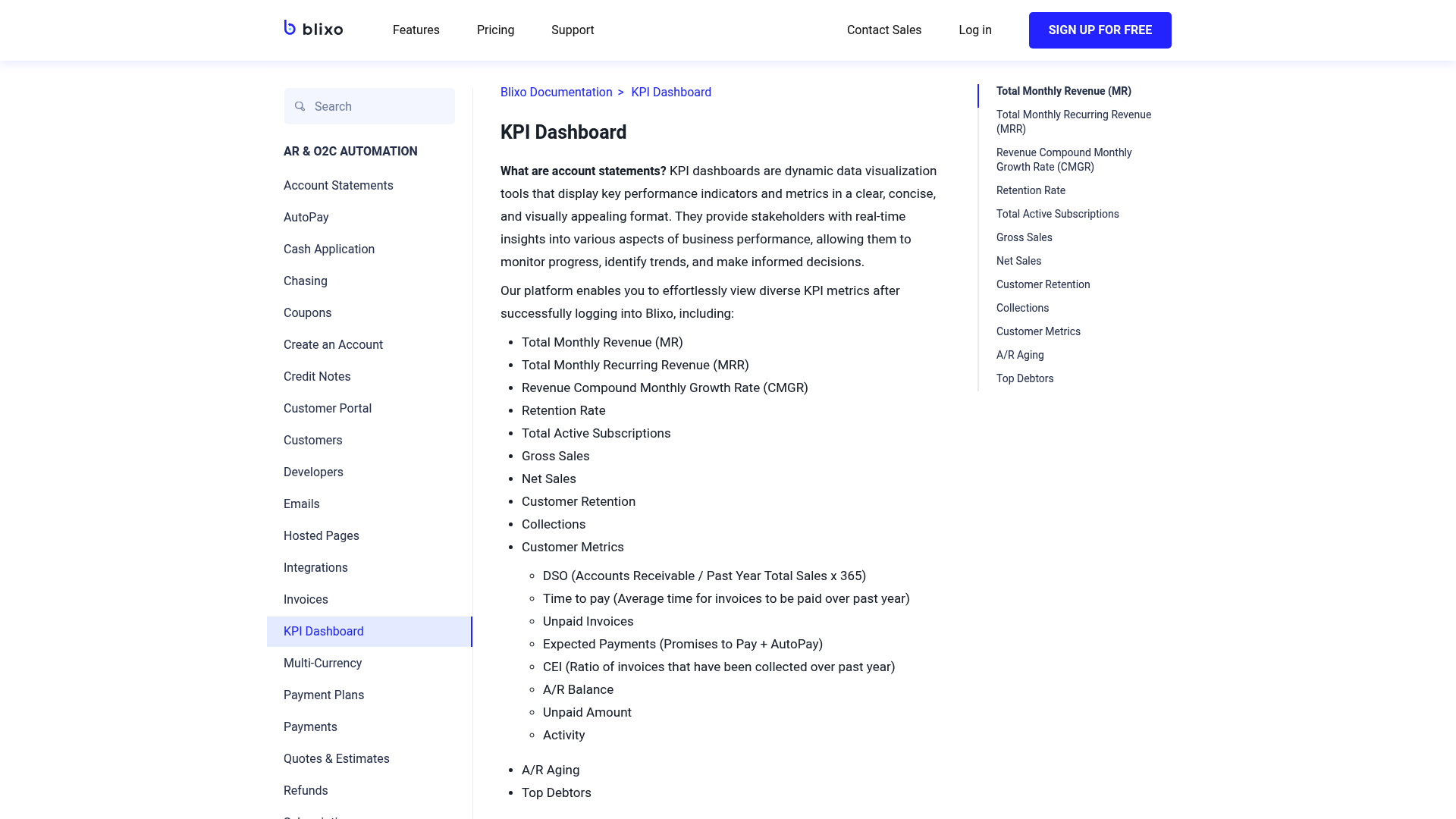
- Set up dashboards to monitor payment success rates, processing times, and error trends. Real-time visibility allows teams to address issues like failed bank transfers proactively [1]. Building on concepts from [Monitoring and Analyzing Payment Performance] section, these dashboards help track critical metrics like payment success rates [1].
- Leverage AI insights to refine payment rules, such as adjusting late fee thresholds based on historical tenant behavior. Machine learning models can optimize collections while maintaining tenant satisfaction [1]. For further details on AI-driven optimization, refer to the [Optimizing Payment Workflows with AI] section.
Optimizing Payment Workflows with AI
Cash Application Automation
- Implement AI-powered cash application to streamline payment reconciliation and reduce manual errors. AI-driven platforms automate routine tasks like matching payments to invoices, ensuring faster processing and improved accuracy in real-time financial tracking [1]. See the [Assessing Current Payment Processes] section for more details on common challenges in manual workflows that AI can address.
- Integrate secure payment reminders into automated workflows to minimize delays. By leveraging AI, platforms can send targeted notifications based on predefined payment schedules, reducing the need for manual follow-ups and improving cash flow predictability [1].
- Use intelligent rule-based systems to categorize and allocate payments accurately. These systems apply predefined business logic to route funds to the correct accounts, reducing discrepancies and accelerating financial reporting [1].
Predictive Analytics in Collections and Dunning
- Deploy machine learning models to analyze historical payment data and identify patterns in delinquencies. Predictive analytics enable early detection of high-risk accounts, allowing teams to prioritize collections efforts effectively [1]. Building on concepts from [Monitoring and Analyzing Payment Performance], AI-driven forecasting aligns with tracking KPIs to improve collections outcomes.
- Automate dunning processes with tiered escalation strategies. AI can trigger customized communication sequences—from gentle reminders to formal notices—based on predefined thresholds, ensuring consistent and timely engagement with delinquent accounts [1].
- Optimize collections by forecasting payment likelihood. By analyzing factors like tenant behavior and economic indicators, AI provides actionable insights to prioritize accounts and allocate resources efficiently [1].
Implementation Considerations
- Ensure seamless integration with existing financial systems. AI-driven payment optimization requires compatibility with accounting software and ERP systems to maintain data integrity and workflow continuity [1].
- Prioritize data security in AI-powered payment workflows. Encryption and access controls must be enforced for all automated transactions, particularly in industries like real estate where sensitive financial data is processed regularly [1]. See the [Ensuring Compliance and Security in Automated Payment Checklists] section for regulatory requirements to consider.
- Continuously refine AI models with feedback loops. Regularly updating machine learning algorithms with new payment data improves their accuracy over time, adapting to evolving patterns in customer behavior and market conditions [1].
By embedding AI into payment workflows, organizations can achieve end-to-end automation that reduces operational overhead, accelerates cash flow, and enhances financial compliance. These optimizations, as demonstrated in real estate applications [1], highlight the potential of AI to transform industries reliant on predictable revenue streams.
Implementing Recurring Billing and Subscription Management
- Reduce manual payment processing by automating recurring transactions, minimizing errors and administrative overhead [1]. As mentioned in the Assessing Current Payment Processes section, manual payment errors often stem from data entry issues, which recurring billing systems inherently mitigate.
- Integrate secure payment gateways to process recurring transactions, ensuring compliance with fraud detection systems powered by machine learning [1]. See the Ensuring Compliance and Security in Automated Payment Checklists section for more details on secure payment gateway integration.
- Leverage predictive analytics to forecast revenue and subscription trends, aligning with Blixo’s AI capabilities to refine pricing models and reduce attrition [1]. Building on concepts from the Optimizing Payment Workflows with AI section, AI-driven analytics enhance both subscription management and broader payment efficiency.

Ensuring Compliance and Security in Automated Payment Checklists
Regulatory Compliance Overview
- Adhere to data protection regulations to safeguard user information during automated payment processes. While specific frameworks like GDPR or SOC 2 are not explicitly mentioned in sources, secure handling of payment data is critical for compliance with industry standards [1].
- Integrate payment card industry (PCI) security principles to protect cardholder data. Secure payment reminders and automated rent collection systems must align with encryption and access control requirements to prevent breaches [1].
Security Measures for Payment Data
- Implement encryption for data in transit and at rest to secure sensitive financial information. The use of AI-driven platforms for payment automation inherently requires robust encryption to meet compliance expectations [1]. Building on concepts from the Optimizing Payment Workflows with AI section, AI-driven platforms must also align with secure data handling practices.
- Enforce role-based access controls (RBAC) to limit access to payment data. Automated checklists should verify that only authorized personnel or systems can interact with financial workflows [1].
Maintaining Compliance in Automated Workflows
- Audit payment processes regularly to ensure alignment with evolving security standards. AI-driven optimization must include periodic checks to confirm adherence to regulatory requirements, such as data retention policies [1].
- Monitor for anomalies in payment patterns using AI to detect fraud or policy violations. Automated systems should flag irregular transactions for manual review, reinforcing compliance and reducing risks [1]. See the Optimizing Payment Workflows with AI section for more details on leveraging AI for fraud detection.
Limitations and Considerations
- Acknowledge gaps in source documentation. The provided sources do not explicitly detail compliance with GDPR, SOC 2, or PCI-DSS. Implementers must cross-reference additional regulatory guidelines to ensure full coverage [1].
- Leverage secure APIs for payment integration. While source [1] highlights secure payment reminders, specific API security measures (e.g., OAuth 2.0, tokenization) are not described and require further technical validation.
Final Compliance Verification
- Conduct third-party audits to validate compliance with financial regulations. Automated payment systems must undergo external assessments to confirm adherence to standards not explicitly outlined in available sources [1].
- Document compliance protocols within the payment checklist. Clear records of security measures and regulatory checks are essential for demonstrating due diligence during audits [1]. As mentioned in the Best Practices for Automating Payment Checklists section, cross-departmental collaboration ensures comprehensive documentation of compliance protocols.
Monitoring and Analyzing Payment Performance
Introduction to Payment Performance Metrics and KPIs
- Track payment success rate to measure the percentage of transactions completed without errors. This metric ensures operational efficiency and aligns with AI-driven optimization principles discussed in [1], where performance tracking is critical for iterative improvements. See the Assessing Current Payment Processes section for insights into how manual errors impact success rates.
- Monitor average processing time to evaluate how quickly payments are authorized and settled. Reducing delays enhances user satisfaction and reflects the real-time analytics capabilities highlighted in [1].
- Measure error rate to identify recurring issues in payment workflows. High error rates indicate areas for refinement, consistent with the data-centric approach described in [1] for identifying inefficiencies.
Tracking and Analyzing Payment Performance
- Implement real-time dashboards to visualize payment metrics, enabling teams to detect anomalies immediately. This aligns with [1]’s emphasis on leveraging AI for dynamic data interpretation in decision-making processes.
- Analyze chargeback ratios to assess fraud risk and customer disputes. Chargeback trends inform risk mitigation strategies, a concept mirrored in [1]’s discussion of predictive analytics for proactive problem-solving.
- Audit settlement times to ensure compliance with financial obligations and contractual agreements. Timely settlements are foundational to maintaining trust, a principle echoed in [1]’s focus on reliability in automated systems. See the Ensuring Compliance and Security in Automated Payment Checklists section for regulatory considerations in settlement processes.
Using Data Insights to Optimize Payment Workflows
- Leverage machine learning models to predict payment failures based on historical data. This approach, akin to AI applications in [1], allows preemptive adjustments to workflows before issues escalate.
- Segment payment data by transaction type (e.g., cross-border, domestic) to identify bottlenecks specific to certain categories. Granular analysis supports targeted optimizations, similar to how [1] categorizes data for sector-specific insights.
- Integrate feedback loops between payment analytics and workflow design teams. Continuous iteration based on data ensures agility, reflecting the adaptive strategies outlined in [1] for AI-driven environments. See the Best Practices for Automating Payment Checklists section for stakeholder alignment in iterative workflows.
Limitations and Considerations
- Acknowledge data gaps where insufficient source information may limit metric accuracy. For example, if [1] does not explicitly reference payment-specific KPIs, avoid extrapolating beyond its scope.
- Validate AI-driven insights against manual audits to prevent overreliance on automated interpretations. Cross-verification maintains accuracy, a practice implied by [1]’s caution against blind automation.
- Align metrics with business goals to ensure that performance tracking directly supports organizational priorities, such as reducing operational costs or expanding market reach.
By systematically monitoring these metrics and applying insights from data analysis, organizations can refine payment processes to match the efficiency and scalability demonstrated by AI innovations in adjacent fields like real estate [1].
Best Practices for Automating Payment Checklists
Change Management Strategies
- Align stakeholders across finance, IT, and operations teams to define automation goals and workflows, ensuring cross-departmental collaboration mirrors AI integration frameworks in property investing [1]. As mentioned in the Assessing Current Payment Processes section, misaligned teams can exacerbate manual errors in payment workflows.
- Conduct a risk assessment to identify compliance gaps in automated payment processes, leveraging AI’s role in mitigating financial risks as highlighted in real estate applications [1].
- Develop a phased rollout plan to test automation in controlled environments before full deployment, a strategy aligned with iterative AI adoption in property management systems [1].
Training and Support
- Provide role-specific training for users handling payment workflows, emphasizing AI-driven features like anomaly detection, similar to skill-building programs for AI tools in real estate [1]. See the Optimizing Payment Workflows with AI section for examples of AI-driven features in payment systems.
- Establish a dedicated support team to address technical issues and user questions, ensuring rapid resolution akin to AI maintenance practices in property tech ecosystems [1].
- Create documentation outlining automated checklist procedures, mirroring knowledge bases developed for AI adoption in real estate to standardize user understanding [1].
Ongoing Evaluation and Optimization
- Monitor automation performance metrics (e.g., error rates, processing time) quarterly to identify inefficiencies, a practice paralleling AI performance audits in property investment platforms [1]. Building on concepts from the Monitoring and Analyzing Payment Performance section, these metrics should align with KPIs like payment success rates.
- Solicit user feedback to refine checklist workflows, ensuring continuous improvement akin to iterative updates in AI-driven real estate tools [1].
- Reassess compliance with regulatory standards annually, integrating updates into automated systems as done with AI compliance in financial real estate transactions [1].
Limitations and Considerations
- Acknowledge that source material [1] does not explicitly detail payment automation workflows, so these recommendations derive from general AI implementation principles in adjacent industries.
- Validate that all AI-driven optimizations comply with financial regulations specific to your region, as [1] focuses on real estate without addressing payment compliance frameworks.
- If internal expertise is limited, partner with AI vendors for specialized training, as [1] notes the importance of external collaboration in successful AI integration.
Multi-Hop Reasoning Connections
- The phased rollout strategy draws from both AI adoption in real estate [1] and general change management principles, ensuring minimal disruption to payment processes.
- User training programs combine AI-specific skill development from [1] with standard onboarding practices for financial software, creating a hybrid approach to user readiness.
- Ongoing evaluation ties AI performance audits [1] to payment automation metrics, creating a dual framework for accountability and efficiency.
Final Implementation Notes
- Document all automation rules and exceptions in a centralized repository, a practice inferred from AI transparency requirements in [1].
- Integrate automated checklists with existing financial systems using APIs, following interoperability standards implied by AI tool integration in property tech [1].
- Schedule biannual reviews of automation logic to adapt to evolving business needs, reflecting the dynamic nature of AI applications described in [1].
References
[1] The Future of Real Estate: How AI is Transforming Property Investing … - https://www.rentastic.io/blog/ai
Frequently Asked Questions
1. How do AI-driven automated payment checklists differ from traditional rule-based systems?
AI-driven systems go beyond static rules by using machine learning to analyze patterns, adapt to evolving fraud tactics, and prioritize high-risk transactions dynamically. While rule-based systems rely on predefined conditions (e.g., “flag payments over $10,000”), AI models learn from historical data to detect anomalies like irregular vendor behavior or subtle inconsistencies in payment chains. This adaptability reduces false positives and improves detection accuracy over time, even in complex scenarios like cross-border transactions.
Q: Can AI-driven payment checklists prevent all types of fraud?
A: While AI significantly enhances fraud prevention, it cannot eliminate all risks. AI systems excel at identifying known fraud patterns and flagging outliers, such as duplicate invoices or mismatched vendor details. However, they may struggle with novel or highly sophisticated fraud schemes until patterns emerge. To address this, Blixo combines AI with human oversight for high-risk cases and integrates real-time threat intelligence feeds to stay ahead of emerging tactics like synthetic identity fraud.
Q: Which industries benefit most from AI-optimized payment workflows?
A: Industries with high-volume transactions and complex compliance needs, such as real estate (for property investment tracking), healthcare (for insurance reimbursements), and e-commerce (for vendor payments), see the greatest benefits. For example, real estate firms use AI to analyze property valuation trends and flag suspicious payments during property transfers, while healthcare providers automate insurance claims validation to prevent overbilling. The technology is also valuable in sectors with stringent regulatory requirements, like financial services and government procurement.
Q: What challenges might organizations face when implementing AI-driven payment systems?
A: Key challenges include integration with legacy financial systems, ensuring data quality for AI training, and addressing employee resistance to change. For instance, migrating data from disparate ERP systems to a unified AI platform requires careful mapping to avoid errors. Additionally, AI models require clean, labeled historical data to learn effectively. Organizations must also invest in employee training to build trust in AI recommendations and foster collaboration between finance teams and data science experts.
Q: How do AI payment systems handle regulatory compliance across different regions?
A: AI systems like Blixo’s use natural language processing (NLP) to monitor regulatory updates in real time and adjust workflows accordingly. For example, they automatically apply GDPR data privacy rules for EU transactions or enforce anti-bribery laws under the U.S. Foreign Corrupt Practices Act (FCPA). The AI also generates audit-ready documentation, such as compliance logs and transaction justifications, to simplify audits and reduce penalties for non-compliance. Customizable compliance templates further support multinational operations by adapting to local legal frameworks.
Q: What cost savings can organizations expect from AI-driven payment automation?
A: Studies show organizations can reduce payment processing costs by 30-50% through automation. For example, a mid-sized real estate company using Blixo’s system saved $2.1 million annually by preventing 12% fewer overpayments and cutting invoice review time from 48 hours to 15 minutes. Additional savings come from reduced manual labor, faster dispute resolution (cutting resolution time by 60%), and minimized fraud losses. The ROI typically materializes within 6-12 months post-implementation.
Q: How secure are AI-powered payment systems against cyberattacks?
A: Security is embedded into AI payment platforms through multi-layered defenses. Blixo employs encryption for data in transit and at rest, biometric authentication for user access, and AI-driven threat detection to identify suspicious login attempts or anomalous transaction patterns. Regular penetration testing and compliance with standards like SOC 2 and ISO 27001 ensure robust protection. For added security, AI models isolate high-risk transactions in a “sandbox” environment for deeper analysis before approval, minimizing exposure to malware or phishing attacks.