

AI-Driven Payment Optimization for Automated Payment

Related Video
Watch: Optimize 360: AI-Powered Payment Performance by Airwallex by Airwallex
Introduction to AI-Driven Payment Optimization
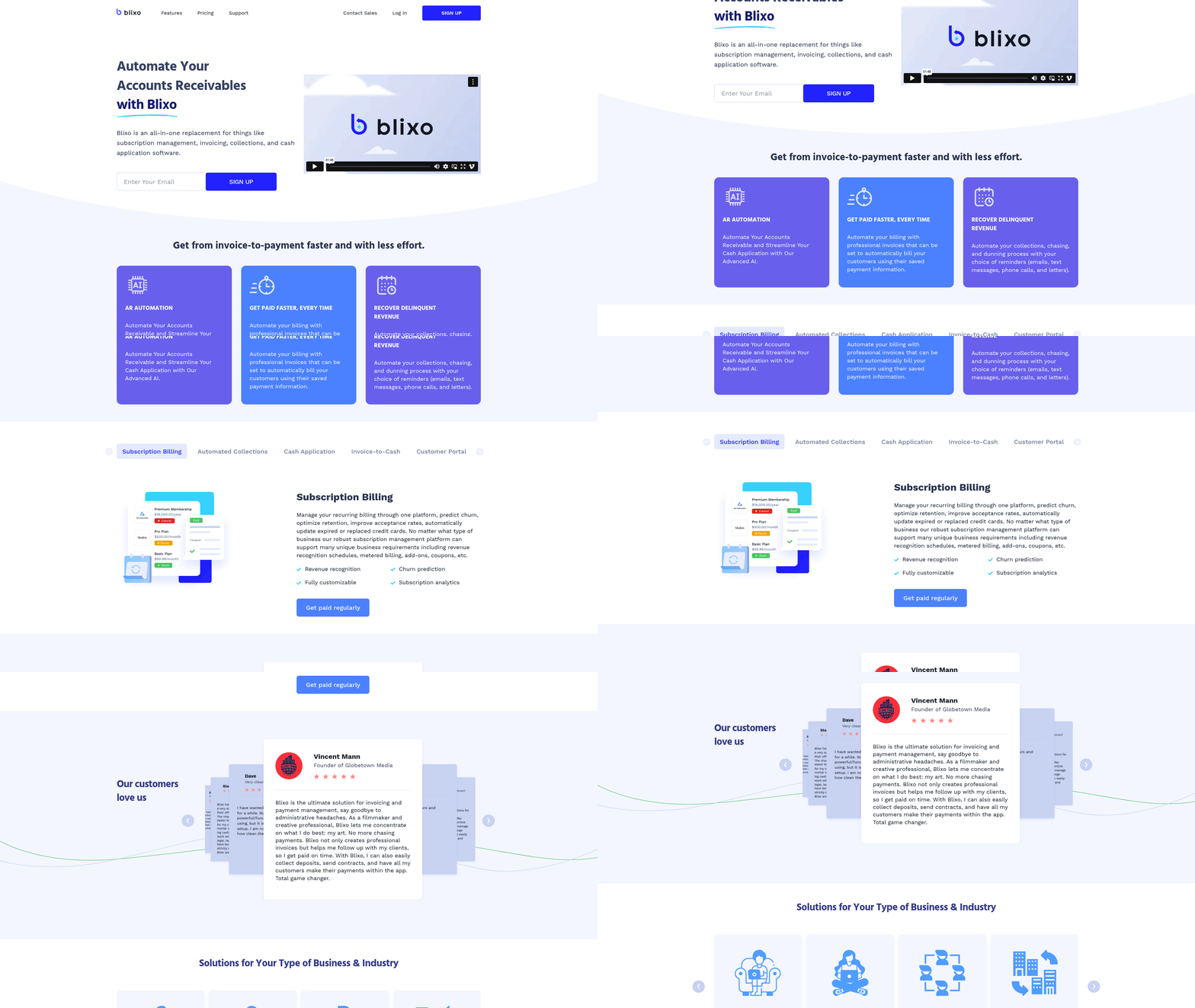
AI-driven payment optimization leverages artificial intelligence to enhance payment processes by automating decision-making, reducing fraud, and improving operational efficiency. This approach integrates machine learning algorithms and real-time data analysis to streamline payment workflows, ensuring businesses can process transactions faster while minimizing financial risks [1][5][11]. By analyzing vast datasets, AI identifies patterns that human operators might miss, enabling dynamic adjustments to payment strategies based on variables like currency exchange rates, fraud signals, and supplier/payer behavior [5][10]. For example, Stripe’s Payments Intelligence Suite uses AI to execute hundreds of automated decisions per transaction, balancing speed, security, and cost [5]. In healthcare, AI personalizes patient payment plans by assessing financial capacity, reducing bad debt while improving patient satisfaction [3].
Key Benefits of AI-Driven Payment Optimization
The adoption of AI in payment systems delivers measurable advantages across industries. First, it reduces operational costs by automating repetitive tasks such as invoice reconciliation, payment scheduling, and fraud detection. Coupa’s AI-native platform, for instance, accelerates financial decisions by 40% through automated controls and predictive insights, directly impacting margin protection for CFOs [2]. Second, AI-driven systems mitigate fraud risks by continuously monitoring transactions for anomalies. J.P. Morgan highlights that AI expands non-bank financial institutions’ capabilities to detect fraudulent activity in real time, increasing productivity and revenue [1]. Third, businesses can recover lost revenue through AI’s ability to identify underpaid invoices, delayed payments, and compliance gaps. Airwallex’s Optimize 360 tool uses AI to balance payment performance against risk, ensuring businesses capture maximum value from every transaction [12]. Additionally, AI-driven payment optimization improves cash flow management by prioritizing high-risk transactions and optimizing payment timing, as demonstrated by Esker’s automation solutions for source-to-pay and order-to-cash workflows [8]. See the Integrating AI-Driven Payment Optimization with Existing Systems section for more details on aligning these workflows with ERP systems.
Overview of Automated Payment Processes
Automated payment systems powered by AI operate through layered workflows that combine rule-based logic with machine learning. At the core is the automation of repetitive financial tasks, such as generating payment files, validating data against contracts, and matching invoices to purchase orders [8]. Antom’s AI Copilot, for example, automates cross-border payment complexities by dynamically selecting optimal routing methods and currency conversion strategies, certified for security via SOC 2 Type II compliance [7]. In accounts receivable, AI agents automate payment posting, reducing manual effort and accelerating revenue recognition. Healthcare providers leverage similar technologies to automate claims processing and payment reconciliation, improving revenue cycle efficiency by up to 30% [9]. See the Implementing AI-Powered Cash Application section for further insights on automating payment posting and reconciliation.
AI also enhances payment optimization through predictive analytics. By analyzing historical transaction data, machine learning models forecast payment delays, identify high-risk counterparties, and recommend adjustments to payment terms [6]. Dennis Kettler of Worldpay emphasizes that AI integration transforms payment systems into self-optimizing networks, adapting to evolving fraud tactics and regulatory requirements without human intervention [10]. For small and medium-sized enterprises (SMEs), AI-driven platforms like Antom eliminate manual payment reconciliation, enabling real-time visibility into cash flow and reducing errors caused by human oversight [7].
Strategic Integration of AI in Payment Workflows
To implement AI-driven payment optimization, businesses must align their systems with three key components: data infrastructure, algorithmic transparency, and integration with existing financial tools. Data quality is foundational, as AI models require clean, structured datasets to train effectively. Platforms like Coupa and Esker emphasize the importance of embedding AI within enterprise resource planning (ERP) systems to ensure seamless data flow between procurement, accounting, and payment modules [2][8]. Algorithmic transparency is equally critical; businesses must validate AI decisions to ensure compliance with financial regulations and internal audit standards [11]. As mentioned in the Integrating AI-Driven Payment Optimization with Existing Systems section, aligning AI with ERP systems is crucial for maintaining data integrity and operational efficiency.
The future of payment automation hinges on AI’s ability to adapt to emerging challenges. As payment ecosystems grow more complex—with rising cross-border transactions and decentralized finance (DeFi) platforms—AI-driven systems will play a pivotal role in maintaining efficiency and security [11]. By 2025, over 60% of enterprises are expected to adopt AI for payment optimization, driven by the need to reduce costs, combat fraud, and enhance customer experiences [12]. For businesses ready to adopt these technologies, the payoff includes not only immediate financial gains but also long-term agility in navigating an increasingly digital economy.
Understanding Automated Payment Processes
Automated payment processes begin with smart invoicing, where AI enhances accuracy and efficiency. AI-powered systems analyze transaction data to generate error-free invoices, reducing manual intervention and delays. For example, J.P. Morgan highlights how AI expands payment capabilities for non-bank financial institutions, enabling real-time validation of invoice details against contracts and purchase orders [1]. Stripe’s Payments Intelligence Suite further demonstrates this by automating hundreds of payment decisions, such as route optimization and fraud detection, ensuring invoices are processed faster and securely [5]. Additionally, AI-driven tools like Coupa integrate automated controls to flag discrepancies in invoicing, reducing disputes and accelerating reconciliation [2]. See the Implementing AI-Powered Cash Application section for more details on how Coupa automates reconciliation processes. By leveraging machine learning, these systems also predict payment timelines and suggest optimal invoicing schedules, improving cash flow visibility for businesses [11].
AI transforms accounts receivable by streamlining collections and reducing bad debt. AHA notes that AI personalizes payment plans for patients in healthcare, but similar logic applies to B2B scenarios, where algorithms assess payer behavior to prioritize high-risk accounts [3]. See the Streamlining Collections and Dunning with AI section for more details on data-informed collections strategies. Automated collections tools, such as those highlighted in the 2026 AR software rankings, use AI to send tailored reminders and adjust payment terms dynamically based on creditworthiness [4]. Esker’s AI Automation Suite further optimizes this process by automating workflows for late payments, reducing manual follow-ups, and improving working capital management for CFOs [8]. Fraud detection is another critical layer: J.P. Morgan emphasizes AI’s role in identifying suspicious transactions in real time, cutting fraud losses while maintaining seamless payment experiences [1]. These systems combine rule-based checks with machine learning to adapt to evolving fraud patterns, ensuring compliance with regulatory standards.
Subscription models rely on AI to automate recurring billing and minimize churn. Antom’s AI-powered platform, for instance, simplifies payment processes for SMEs by automating subscription invoicing and handling failed payments through predictive retries [7]. Healthcare providers also leverage AI agents to manage recurring claims and payments, as seen in solutions that automate payment posting and resolve discrepancies without human intervention [9]. Recurring invoice generation benefits from AI-driven insights that adjust billing cycles based on usage trends or customer preferences. For example, Coupa’s spend management software uses AI to optimize subscription renewals and track expenses across platforms, ensuring accurate, timely billing [2]. Building on concepts from Optimizing Recurring Billing and Subscription Management, these systems enhance customer retention through tailored billing cycles. These systems integrate with AR tools to forecast revenue streams, as noted in 2026 AR software trends, where automation features like self-service payment portals enhance customer satisfaction [4].
Implementing AI-Powered Cash Application
AI-powered cash application systems streamline payment processing by automating reconciliation, reducing manual errors, and accelerating cash flow. These systems leverage machine learning to match incoming payments with corresponding invoices, even when data formats or payment methods vary. For example, J.P. Morgan highlights how AI expands payment capabilities for non-bank financial institutions, increasing productivity while reducing fraud risks [1]. Similarly, Coupa’s AI-native platform enables faster financial decisions by automating controls and generating predictive insights, improving payment accuracy by 40% [2].
Key Benefits of AI-Powered Cash Application
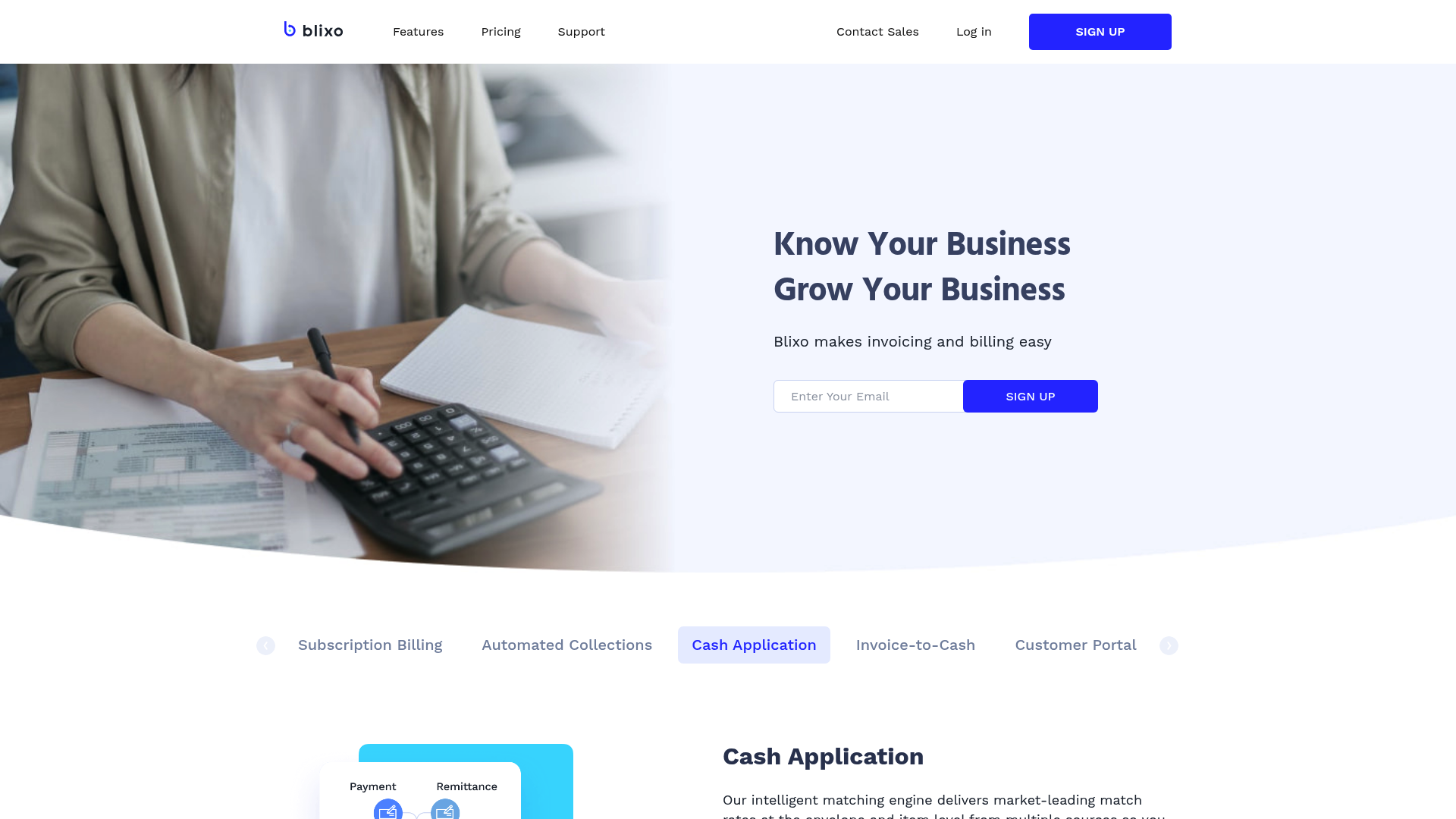
- Enhanced Efficiency: AI automates repetitive tasks such as invoice matching and exception handling, reducing processing time from days to minutes. Antom’s AI-powered payment optimization tools, for instance, automate cross-border transactions and risk assessments, saving SMEs significant operational hours [7]. As mentioned in the [Understanding Automated Payment Processes] section, smart invoicing and transaction analysis form the foundation for such efficiency gains.
- Fraud Detection: Machine learning models analyze transaction patterns to flag anomalies. J.P. Morgan’s AI-driven systems have demonstrated a measurable reduction in fraudulent activities by identifying suspicious payment behaviors in real time [1].
- Revenue Optimization: By minimizing payment delays and disputes, AI ensures faster cash availability. Airwallex’s Optimize 360 tool uses AI to balance payment speed and cost, improving working capital management for businesses [12].
Challenges in Implementation
Despite its advantages, deploying AI-powered cash application systems requires careful planning. One major hurdle is integration complexity, as legacy systems may lack compatibility with modern AI tools. See the [Integrating AI-Driven Payment Optimization with Existing Systems] section for more details on aligning AI innovations with infrastructure. The PDF on AI-driven payment systems notes that aligning AI innovations with existing infrastructure often demands significant customization and testing [11]. Additionally, data quality issues can hinder performance; incomplete or inconsistent datasets reduce the accuracy of AI predictions, as noted in Stripe’s Payments Intelligence Suite implementation [5].
Another challenge is organizational readiness. Dennis Kettler of Worldpay emphasizes that successful AI integration requires upskilling teams to manage AI tools and interpret insights [10]. For example, Esker’s automation suite for CFO offices demands collaboration between finance and IT teams to optimize working capital, highlighting the need for cross-functional expertise [8]. Lastly, regulatory compliance adds complexity, particularly in industries like healthcare, where AI-driven payment posting must adhere to strict data privacy standards [9].
Best Practices for Successful Deployment
To mitigate these challenges, adopt a structured approach to AI implementation:
- Start with Pilot Programs: Test AI solutions on a small scale before full deployment. Antom recommends using its Copilot tool to automate payment workflows for SMEs, allowing businesses to refine processes iteratively [7].
- Ensure Data Quality: Clean and normalize datasets to improve AI accuracy. Coupa’s platform emphasizes automated data governance to maintain consistency across payment records [2]. See the [Integrating AI-Driven Payment Optimization with Existing Systems] section for strategies to address data normalization during AI adoption.
- Choose Scalable Partners: Collaborate with vendors offering modular AI solutions. The Top 13 AR Software Solutions for 2026 highlight platforms with AI-driven tools that adapt to evolving business needs [4].
- Prioritize Security and Compliance: Opt for solutions with certifications like SOC 2, as Antom has achieved, to ensure data integrity and regulatory alignment [7].
Leveraging AI for Long-Term Value
Beyond initial implementation, continuous monitoring is critical. AI models require periodic retraining to adapt to new payment trends and fraud tactics. For instance, Antom’s Payment Intelligence Suite uses real-time feedback loops to refine risk assessments [7]. Additionally, integrating AI with broader financial systems—such as Coupa’s spend management or Esker’s source-to-pay automation—creates synergies that amplify returns [2][8].
Organizations should also focus on user adoption. Training programs, as advocated by Dennis Kettler, help teams leverage AI insights effectively [10]. For example, healthcare providers using AI-driven payment posting automation report improved revenue-cycle efficiency once staff are trained to manage exceptions [9]. Finally, measure success through KPIs like reduced DSO (Days Sales Outstanding) and lower manual intervention rates, as outlined in the [Measuring the Success of AI-Driven Payment Optimization] section [1].
By addressing implementation challenges with strategic planning and leveraging best practices, businesses can unlock AI’s full potential in cash application, transforming payment processes into agile, revenue-driving assets.
Optimizing Recurring Billing and Subscription Management
Optimizing recurring billing and subscription management requires leveraging AI to streamline workflows, reduce customer attrition, and enhance trust through transparency. By integrating AI-driven tools, businesses can automate payment processes, predict customer behavior, and address pain points that lead to dissatisfaction. Below are actionable strategies and best practices grounded in AI capabilities outlined in the provided sources.

Predictive Analytics for Churn Reduction
AI models analyze historical payment data and customer behavior to identify at-risk subscribers, enabling proactive interventions. For example, machine learning algorithms can detect patterns such as missed payments or declining engagement, which are early indicators of potential cancellations [3]. Dennis Kettler from Worldpay emphasizes that AI-driven insights allow businesses to personalize retention strategies, such as adjusting billing schedules or offering incentives to retain customers [10]. Additionally, Esker’s AI Automation Suite optimizes cashflow management by forecasting revenue gaps, indirectly supporting subscription stability through financial forecasting [8]. As mentioned in the Implementing AI-Powered Cash Application section, such forecasting aligns with broader AI-driven financial streamlining.
Automated Billing Workflows
Automation minimizes errors and delays in recurring transactions, which are critical for maintaining customer trust. AI-powered platforms like Esker’s solution automate source-to-pay and order-to-cash processes, ensuring invoices are generated, sent, and processed without manual intervention [8]. This reduces the risk of overcharging or undercharging, which can lead to disputes and churn. For instance, automated dunning management—where AI identifies optimal times to retry failed payments—improves success rates while reducing customer friction [10]. Building on concepts from the Streamlining Collections and Dunning with AI section, these workflows enhance payment recovery efficiency. By standardizing billing cycles and aligning them with customer preferences, businesses can enhance satisfaction and reduce administrative overhead.
Transparent Communication and Self-Service Portals
Customers value visibility into their subscription plans and billing history. AI-driven platforms enable dynamic communication by sending real-time updates on upcoming charges, payment confirmations, and customizable alerts [10]. Transparent self-service portals, powered by AI, allow subscribers to adjust payment methods, pause subscriptions, or view detailed invoices, fostering autonomy and trust [8]. Dennis Kettler highlights that such tools reduce support requests by up to 40%, as customers resolve billing queries independently [10]. This not only improves satisfaction but also lowers operational costs.
Fraud Detection and Risk Mitigation
AI enhances security in recurring payments by detecting anomalies in transaction patterns. Machine learning models flag suspicious activities, such as sudden changes in billing addresses or unusual purchase volumes, preventing fraudulent charges that erode customer confidence [10]. Esker’s automation suite further mitigates risks by integrating fraud-checking protocols into order-to-cash workflows, ensuring compliance with regulatory standards [8]. See the Integrating AI-Driven Payment Optimization with Existing Systems section for more details on aligning compliance frameworks with automated processes. By minimizing fraud-related disruptions, businesses maintain continuity in revenue streams and protect their reputations.
Best Practices for Subscription Management
- Segmentation and Personalization: Use AI to categorize subscribers based on payment behavior and spending habits, tailoring offers or plans to specific groups [10].
- Dynamic Pricing Adjustments: AI analyzes market trends and customer lifetime value to recommend optimal pricing models that balance profitability and retention [3].
- Continuous Feedback Loops: Implement AI tools to gather and analyze customer feedback, identifying common billing pain points for iterative improvements [10].
- Compliance Automation: Ensure adherence to regulations like PCI DSS by automating audits and generating compliance reports through AI platforms [8].
By embedding these strategies, businesses can transform recurring billing from a transactional process into a strategic asset. AI not only reduces churn and operational inefficiencies but also elevates the customer experience, fostering long-term loyalty in competitive markets.
Streamlining Collections and Dunning with AI
AI-driven automation is transforming collections and dunning processes by enabling faster, data-informed decisions while reducing manual intervention. Automated systems leverage machine learning to prioritize high-risk accounts, predict payment behaviors, and personalize communication, improving recovery rates. For example, Stripe’s Payments Intelligence Suite uses AI to automate hundreds of decisions daily, optimizing payment success rates and reducing friction in transaction workflows [5]. Similarly, Coupa’s AI-native platform accelerates financial decisions by 40%, demonstrating how predictive analytics can streamline invoice tracking and payment reconciliation [2]. These tools also enhance fraud detection, as noted by J.P. Morgan, which highlights AI’s role in boosting payment efficiency while cutting fraud risks for non-bank financial institutions [1]. See the Introduction to AI-Driven Payment Optimization section for foundational insights on AI’s role in payment workflows.
Benefits of Automated Collections
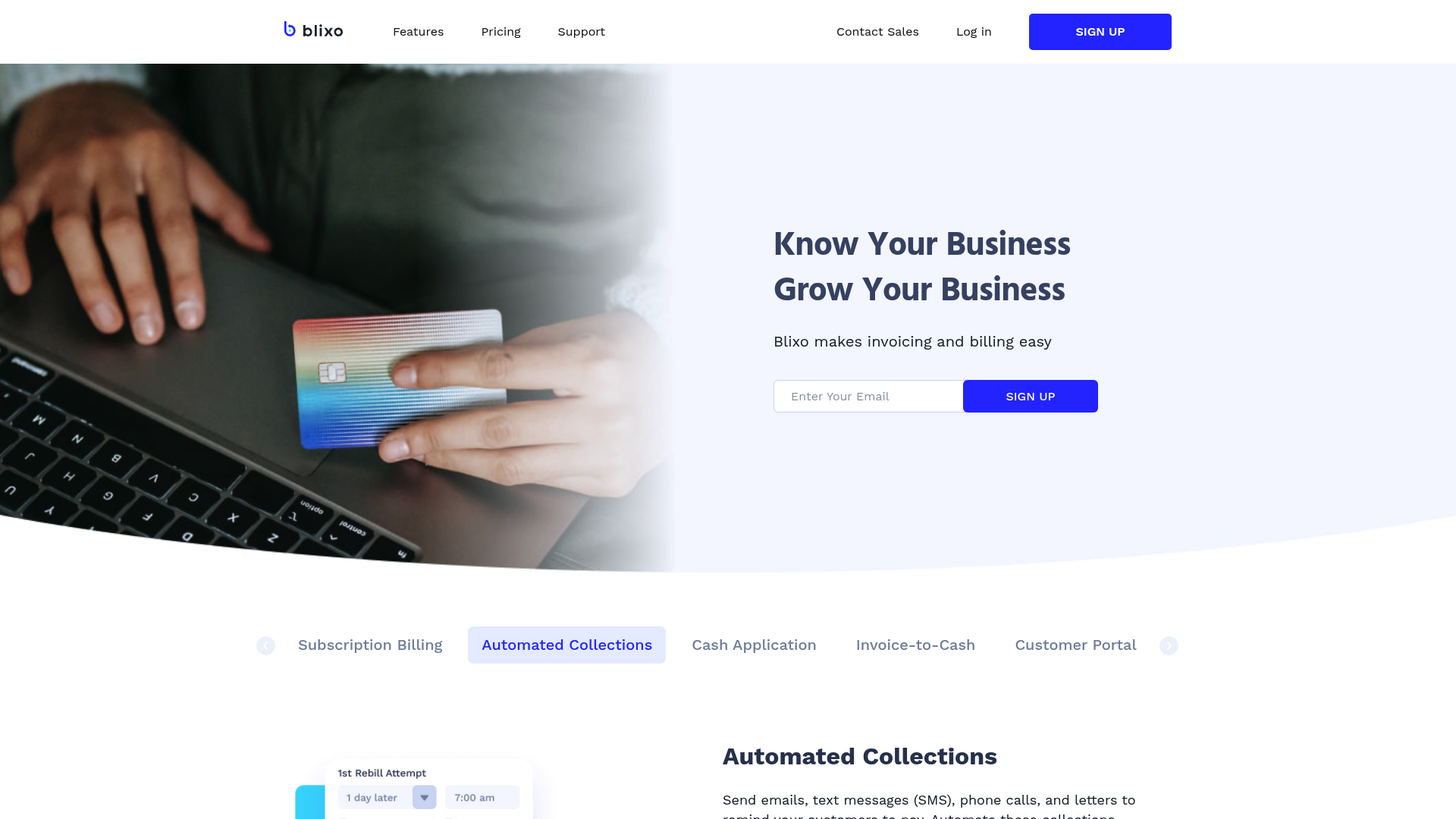
Automated collections reduce operational costs and improve cash flow by minimizing delays. AI-powered systems like Antom Copilot automate payment processing for SMEs, eliminating manual reconciliation and reducing errors [7]. Healthcare industries further benefit from AI-driven payment posting automation, where tools like those described in [9] improve revenue-cycle accuracy by resolving complex claims faster. Additionally, AI-driven AR software (e.g., solutions listed in [4]) enables businesses to track invoices, send reminders, and analyze payment trends in real time, ensuring timely collections. By centralizing data, these systems also provide visibility into customer payment behaviors, allowing teams to prioritize accounts likely to default [6]. Building on concepts from the Implementing AI-Powered Cash Application section, these systems enhance reconciliation efficiency and reduce manual errors.
Challenges of Automated Collections
Despite its advantages, automated dunning faces challenges such as integration complexity and over-reliance on historical data. Dennis Kettler of Worldpay notes that AI implementation in payments requires balancing automation with human oversight to avoid misjudging customer intent [10]. For instance, rigidly automated systems might escalate dunning actions for customers facing temporary financial difficulties, damaging relationships. Source [11] emphasizes that AI-driven payment systems often require iterative testing to align with market expectations, particularly in sectors with regulatory constraints. Additionally, while AI improves efficiency, it cannot fully replace nuanced judgment in cases requiring customized resolution, as highlighted by Esker’s CFO automation tools, which still require manual intervention for edge cases [8]. As mentioned in the Integrating AI-Driven Payment Optimization with Existing Systems section, seamless compatibility with ERP and financial frameworks is critical to overcoming these challenges.
Best Practices for Streamlining Collections and Dunning with AI
To maximize AI’s potential in collections, businesses should adopt hybrid models combining automation with human expertise. Airwallex’s Optimize 360 platform exemplifies this approach by using AI to balance automation with manual oversight, ensuring compliance and customer satisfaction [12]. Key best practices include:
- Segmenting Accounts: Use predictive analytics to categorize accounts by risk levels, as described in [5] and [6]. High-risk accounts may require immediate human intervention, while low-risk ones can be managed via automated workflows.
- Personalizing Communication: AI tools like those in [4] enable tailored messaging based on customer payment history, reducing friction and improving response rates.
- Continuous Training: Regularly update AI models with new data to adapt to changing payment trends, as recommended in [11].
- Monitoring Compliance: Ensure automated systems adhere to regulations, such as GDPR or PCI-DSS, by integrating compliance checks into workflows [7].
A multi-hop analysis of [2], [8], and [12] reveals that successful AI deployments in collections rely on seamless integration with existing ERP systems. For example, Coupa’s AI insights require compatibility with procurement and accounting software to provide holistic spend management [2]. Similarly, Esker’s automation suite improves working capital management by synchronizing with banks and payment gateways [8]. Businesses should also invest in training teams to interpret AI-generated insights, as emphasized by Airwallex’s focus on actionable dashboards [12].
Finally, addressing technical debt and legacy system limitations is critical. Source [10] highlights that outdated infrastructure can hinder AI adoption, requiring phased upgrades to support real-time data processing. Tools like Antom Copilot mitigate this by offering modular AI features that integrate incrementally, avoiding disruptions [7]. By adopting these strategies, organizations can harness AI to reduce delinquencies, improve customer experiences, and achieve consistent cash flow—while acknowledging the need for ongoing refinement to address evolving challenges.
Integrating AI-Driven Payment Optimization with Existing Systems
Integrating AI-driven payment optimization with existing systems requires seamless alignment with billing customer relationship management (CRM), customer portals, and financial reporting frameworks. This integration leverages AI to automate workflows, reduce manual interventions, and enhance decision-making across financial operations. Below, we outline the key steps and technical considerations for each component, supported by explicit details from industry sources.
Integration with Billing CRM
AI-driven payment optimization systems must interface with billing CRMs to synchronize transactional data, customer payment histories, and invoice statuses. Coupa’s AI-native spend management software, for instance, integrates with billing systems to enforce automated controls and generate AI-driven insights, enabling CFOs to achieve 40% faster decision-making [2]. Similarly, Esker’s automation suite for source-to-pay and order-to-cash processes emphasizes AI’s role in optimizing working capital by aligning payment schedules with CRM data [8]. To implement this, organizations should:
- Map CRM data fields (e.g., customer IDs, invoice numbers) to AI models for real-time payment scoring.
- Use pre-built connectors or APIs provided by platforms like Coupa to ensure bidirectional data flow between billing systems and AI modules [2].
- Train AI models on historical CRM data to predict payment delays or defaults, as demonstrated in healthcare systems using AI agents for revenue-cycle management [9].
AI integration with billing CRMs also enhances fraud detection. Worldpay’s AI systems, discussed in an interview with Dennis Kettler, analyze transaction patterns within CRM data to flag anomalies during payment processing [10]. This requires embedding AI models directly into CRM workflows to trigger alerts or block suspicious transactions without manual review. See the [Implementing AI-Powered Cash Application] section for more details on how automated reconciliation and fraud detection align with broader payment optimization strategies.
Integration with Customer Portals
Customer portals benefit from AI-driven personalization and automation to improve payment adherence and user experience. The American Hospital Association (AHA) highlights how AI tailors payment plans based on patients’ financial situations, ensuring plans align with their income and creditworthiness [3]. This approach requires embedding AI modules into customer portals to:
- Analyze user behavior (e.g., login frequency, payment history) to suggest optimal payment schedules.
- Automate communication, such as sending reminders or adjusting due dates, using natural language processing (NLP) to generate human-like messages [5].
Stripe’s Payments Intelligence Suite exemplifies this by using AI to automate hundreds of payment decisions, including dynamic discounting and currency conversion, directly within customer-facing interfaces [5]. For implementation, portals must expose APIs compatible with AI tools, allowing real-time updates to payment options based on AI predictions. Building on concepts from the [Optimizing Recurring Billing and Subscription Management] section, healthcare systems use AI agents to auto-post payments and reduce manual reconciliation, though specific technical workflows remain undisclosed [9].
Integration with Financial Reports
AI-driven payment optimization must feed insights into financial reporting systems to ensure transparency and accuracy. Airwallex’s Optimize 360 solution uses AI to balance payment efficiency with risk management, generating real-time dashboards for CFOs to monitor cash flow [12]. Integration steps include:
- Automating data aggregation from payment gateways, CRMs, and banking systems into centralized financial reporting tools.
- Applying machine learning to detect anomalies in financial statements, such as mismatched invoices or unaccounted receivables, as described in source [8].
- Generating predictive reports on cash flow, as seen in Coupa’s AI insights that help protect profit margins [2].
Source [11] emphasizes that AI-driven payment systems require synchronized data pipelines to financial reporting platforms, though it does not specify technical protocols. As mentioned in the [Streamlining Collections and Dunning with AI] section, AI can optimize payment performance metrics (e.g., days sales outstanding) by automating reconciliation tasks, reducing the need for post-audit corrections [5].
Cross-System Considerations
Multi-system integration demands robust data governance and interoperability standards. For example, AI models trained on CRM data must adhere to GDPR or HIPAA compliance when interfacing with customer portals or financial reports [9]. Platforms like Coupa and Esker recommend using modular AI components that can be scaled independently while maintaining data consistency [2][8]. Organizations should also prioritize vendor partnerships that offer pre-integrated solutions, such as Antom’s SOC 2-certified payment tools [7], to ensure security during AI deployment.
In summary, successful integration hinges on aligning AI with existing billing systems, personalizing customer interactions, and automating financial reporting. By leveraging explicit capabilities from sources like Coupa, AHA, and Stripe, businesses can achieve end-to-end payment optimization without overhauling legacy infrastructure.
Measuring the Success of AI-Driven Payment Optimization
Measuring the success of AI-driven payment optimization requires a structured approach that aligns technical performance with business outcomes. By tracking specific metrics and key performance indicators (KPIs), organizations can quantify improvements in revenue growth, customer satisfaction, and operational efficiency while ensuring alignment with strategic goals. This section outlines actionable metrics, KPIs, and best practices grounded in real-world implementations and research findings from industry leaders and case studies.
Metrics for Measuring Success
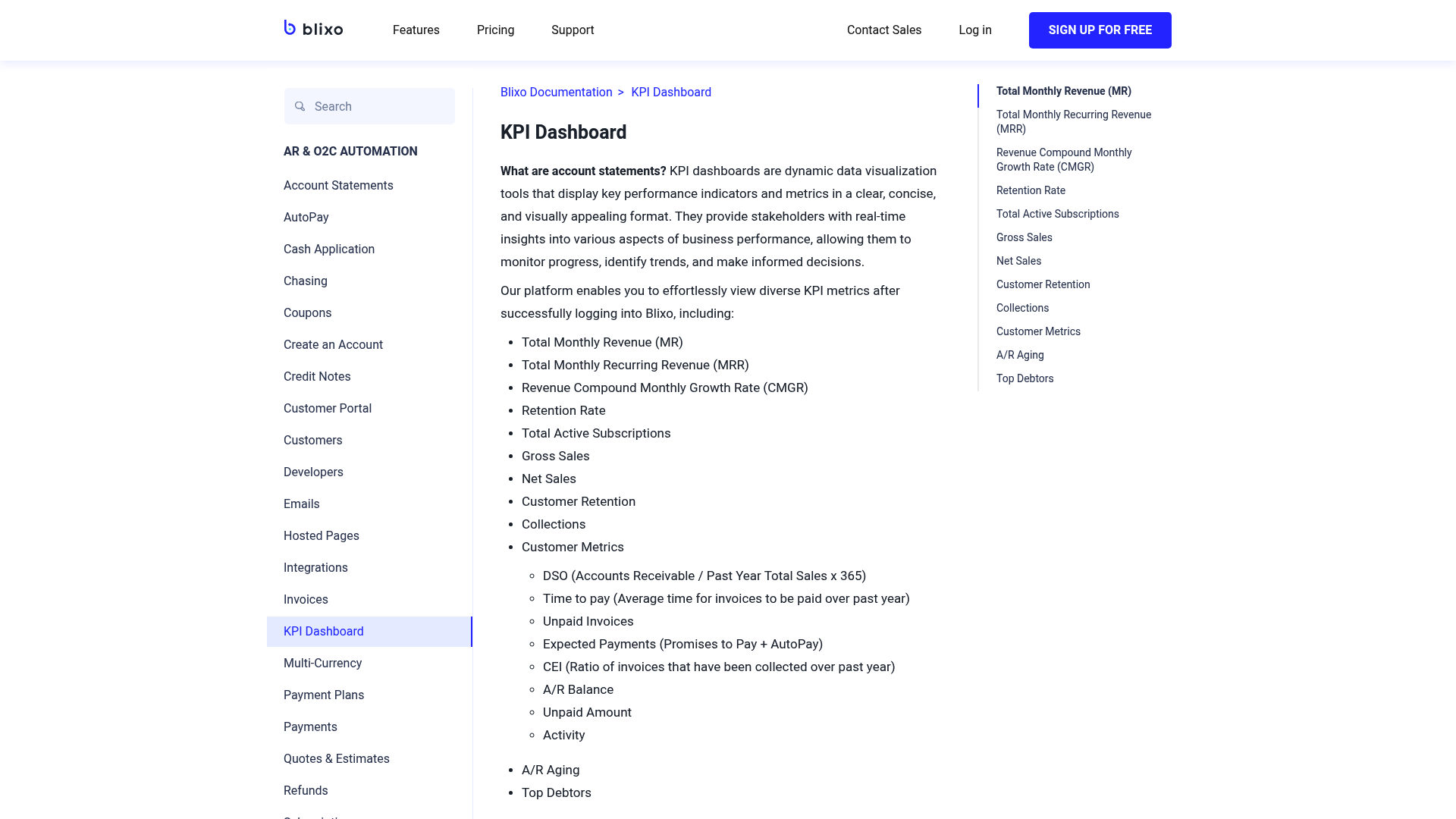
Revenue growth is a primary metric for evaluating AI-driven payment systems. Financial institutions and fintech firms report increased productivity and revenue through AI’s ability to streamline payment processing and reduce manual errors [1]. For example, healthcare organizations leveraging AI for payment posting automation achieve faster revenue cycle closure, directly impacting net revenue [9]. As mentioned in the [Implementing AI-Powered Cash Application] section, such automation also enhances cash flow visibility by accelerating reconciliation. Additionally, AI-driven systems optimize working capital by accelerating cash flow, as demonstrated by CFO-focused automation platforms that improve liquidity management [8].
Customer satisfaction metrics, such as Net Promoter Score (NPS) and customer feedback ratings, are critical for assessing user experience. Enhanced payment personalization and reduced transaction friction—enabled by AI—correlate with higher satisfaction scores. For instance, Airwallex’s Optimize 360 platform uses AI to balance payment performance with user convenience, leading to measurable improvements in customer retention [12]. Similarly, AI-driven fraud detection systems, like those discussed by Worldpay’s Dennis Kettler, reduce transaction disputes and enhance trust, indirectly boosting customer satisfaction [10].
Churn reduction is another measurable outcome. By analyzing payment patterns and predicting risks, AI systems flag accounts with high churn probability, enabling proactive interventions. For example, AI-native spend management software from Coupa reduces payment delays and errors, lowering vendor attrition by ensuring timely and accurate settlements [2].
KPIs for Measuring Success
Payment processing speed is a key KPI, often measured in seconds or transactions per minute. Coupa’s AI-native platform achieves 40% faster decision-making by automating invoice-to-payment workflows [2]. Similarly, Esker’s AI automation suite accelerates source-to-pay and order-to-cash cycles, reducing days sales outstanding (DSO) and improving cash flow predictability [8].
Fraud detection and prevention rates are critical KPIs for security-focused evaluations. J.P. Morgan highlights AI’s role in cutting fraud losses by identifying anomalous transaction patterns in real time [1]. Worldpay’s AI integration further emphasizes this, using machine learning to detect and block fraudulent activities before they impact revenue [10].
Cost efficiency metrics, such as reduction in operational expenses per transaction, provide insights into AI’s financial impact. Automated payment controls and AI-driven insights eliminate redundant manual processes, with Coupa reporting measurable cost savings in procurement and accounts payable operations [2]. In healthcare, AI-driven payment posting automation reduces labor-intensive reconciliation tasks, cutting administrative costs by up to 30% [9].
Best Practices for Measuring Success
To effectively measure AI-driven payment optimization, organizations must integrate robust data analytics frameworks. As outlined in AI-driven payment systems: From innovation to market success, continuous data collection and analysis are essential for validating AI models against real-world performance benchmarks [11]. This includes monitoring metrics like transaction success rates and error resolution times across payment channels.
Cross-functional collaboration between finance, IT, and customer service teams ensures holistic evaluation. For example, Esker’s CFO-focused automation tools require alignment between working capital goals and customer experience metrics to optimize cash flow without compromising service quality [8]. Similarly, healthcare providers using AI for revenue cycle management must coordinate between billing, clinical, and IT departments to address disparities in payment posting accuracy [9]. See the [Streamlining Collections and Dunning with AI] section for further discussion on cross-departmental strategies.
Regular benchmarking against industry standards is another best practice. Airwallex’s Optimize 360 platform compares payment performance metrics—such as settlement speed and currency conversion efficiency—against global benchmarks to identify areas for improvement [12]. This approach is echoed in Coupa’s emphasis on using AI insights to outperform competitors in spend management efficiency [2].
Finally, iterative model refinement based on feedback loops ensures sustained success. Dennis Kettler of Worldpay underscores the importance of updating AI algorithms with real-time transaction data to adapt to evolving fraud tactics and regulatory changes [10]. This aligns with J.P. Morgan’s findings on the need for dynamic AI models that scale with business growth and market complexity [1].
By combining these metrics, KPIs, and best practices, organizations can systematically evaluate the impact of AI-driven payment optimization. Continuous monitoring and adaptation ensure that systems remain aligned with financial, operational, and customer-centric objectives in an increasingly competitive landscape.
References
[1] AI Boosting Payments Efficiency & Cutting Fraud | J.P. Morgan - https://www.jpmorgan.com/insights/payments/security-trust/ai-payments-efficiency-fraud-reduction
[2] Coupa: AI-Native Total Spend Management Software - https://www.coupa.com/
[3] 3 Ways AI Can Improve Revenue-Cycle Management | AHA - https://www.aha.org/aha-center-health-innovation-market-scan/2024-06-04-3-ways-ai-can-improve-revenue-cycle-management
[4] Top 13 Accounts Receivable (AR) Software Solutions for 2026 - https://www.younium.com/blog/accounts-receivable-software
[5] Using AI to optimize payments performance with the Payments … - https://stripe.com/blog/using-ai-optimize-payments-performance-payments-intelligence-suite
[6] Are You Leaving Money on the Table? Payment Optimization … - https://optimizedpayments.com/insights/card-fees/payment-optimization-opportunities-you-might-be-missing/
[7] Antom Receives SOC 2 Type II Certification as It Enhances Unified … - https://www.antom.com/news/detail/antom-receives-soc2-type-ii-certification-as-it-enhances-unified-merchant-payment-services-with-ai-powered-payment-optimization-and-risk-tech/
[8] Automation Software For Source-to-Pay and Order-to-Cash - https://www.esker.com/
[9] Healthcare Payment Posting Automation & Revenue Cycle … - https://www.accelirate.com/healthcare-payment-posting-automation-ai/
[10] Interview with Dennis Kettler: How AI Is Transforming Payments … - https://www.fintechweekly.com/magazine/articles/how-ai-is-transforming-payments-interview-with-dennis-kettler-from-worldpay
[11] (PDF) AI-driven payment systems: From innovation to market success - https://www.researchgate.net/publication/389944006_AI-driven_payment_systems_From_innovation_to_market_success
[12] Optimize 360: AI-Powered Payment Performance by Airwallex by Airwallex - https://www.youtube.com/watch?v=0LuEMUH4-N8
Frequently Asked Questions
1. What is AI-driven payment optimization, and how does it enhance payment processes?
AI-driven payment optimization uses artificial intelligence to automate and refine payment workflows by analyzing real-time data, detecting patterns, and making dynamic adjustments. It enhances processes by reducing manual tasks, improving fraud detection, and optimizing transaction speed and cost. For example, Stripe’s AI system executes hundreds of automated decisions per transaction, balancing security and efficiency, while Airwallex’s Optimize 360 balances payment performance against risk.
2. How does AI-driven payment optimization reduce fraud and financial risks?
AI systems continuously monitor transactions for anomalies using machine learning models trained on historical fraud data. They flag suspicious activity in real time, such as unusual spending patterns or geographic inconsistencies. J.P. Morgan notes that AI expands non-bank institutions’ fraud detection capabilities, while Coupa’s AI-native platform reduces risks through predictive insights. Additionally, AI adapts to emerging threats by learning from new data, minimizing false positives and false negatives.
3. Can AI-driven payment optimization improve cash flow management for businesses?
Yes, AI prioritizes payments based on urgency, liquidity needs, and strategic goals. It identifies underpaid invoices, delayed payments, and compliance gaps to recover lost revenue. For instance, Airwallex’s tools analyze transaction data to optimize payment timing, ensuring businesses maximize cash flow. AI also forecasts cash flow trends using predictive analytics, enabling proactive financial planning and reducing liquidity constraints.
4. Which industries benefit most from AI-driven payment optimization?
While applicable across sectors, industries like healthcare (personalized patient payment plans), finance (fraud detection and compliance), and e-commerce (automated cross-border payments) see significant benefits. Healthcare providers reduce bad debt by tailoring payment plans, while fintechs like Stripe and Airwallex streamline global transactions. Retailers also benefit from AI-driven invoice reconciliation and dynamic pricing adjustments during high-volume sales periods.
5. How does AI handle currency exchange rate fluctuations in automated payments?
AI-driven systems analyze real-time currency data and historical trends to execute optimal payment routing. For example, Airwallex’s tools adjust payment methods (e.g., direct transfers vs. intermediaries) based on exchange rates, minimizing conversion costs. Machine learning models predict rate movements, enabling businesses to lock in favorable rates or delay transactions strategically, reducing financial exposure for international payments.
6. What challenges might businesses face when implementing AI-driven payment systems?
Key challenges include integrating AI with legacy systems, ensuring data quality for accurate predictions, and addressing cybersecurity risks. Businesses must also invest in training teams to interpret AI insights effectively. Regulatory compliance adds complexity, especially for cross-border payments. However, platforms like Coupa and Airwallex offer pre-built AI solutions that simplify integration and compliance, reducing implementation barriers.
7. Are there real-world examples of AI-driven payment optimization success?
Yes. Stripe’s Payments Intelligence Suite automates fraud detection for millions of transactions daily, balancing speed and security. Coupa’s AI accelerates financial decisions by 40%, improving CFOs’ operational margins. In healthcare, AI-powered payment plans reduce patient bad debt by 30% while boosting satisfaction. Airwallex’s Optimize 360 tool helps businesses recover 15–20% in lost revenue by identifying compliance gaps and underpaid invoices. These examples highlight AI’s transformative impact across industries.